Article
Chondroitin Sulfate and Glucosamine in Equine Osteoarthritis: Do They Really Make a Difference?
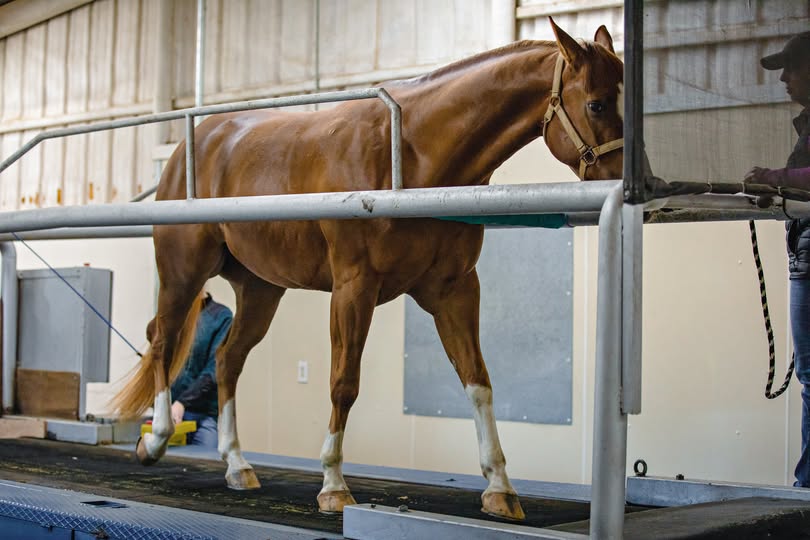
Osteoarthritis (OA) remains one of the most common causes of pain, lameness, and reduced performance in athletic horses. Once established, the disease can be difficult to manage, making prevention and early intervention critical components of equine practice1,2.
Among the numerous joint-support products available today, the combination of chondroitin sulfate (CS) and glucosamine (GlcN) continues to attract attention.
But how effective are these nutraceuticals in horses with osteoarthritis?
Why CS and GlcN Matter
Chondroitin sulfate is a major component of articular cartilage and plays an essential role in maintaining joint structure and function. Glucosamine, an amino sugar naturally present in glycosaminoglycans, contributes to cartilage resilience, shock absorption, and extracellular matrix maintenance1,3.
Research suggests that together, CS and GlcN may exert a chondroprotective effect by4,5:
- Reducing pro-inflammatory cytokines and prostaglandins
- Inhibiting cartilage-degrading enzymes
- Decreasing oxidative damage
- Stimulating glycosaminoglycan and type II collagen synthesis
These actions may help slow the progression of OA while improving joint comfort and mobility.
What Did the Study Show?
Using an experimentally induced fetlock osteoarthritis model, researchers evaluated horses receiving an oral CS-GlcN combination and compared them with untreated controls1.
As expected, osteoarthritis developed in both groups, with increasing lameness, cartilage degradation, radiographic changes, and elevated biomarkers of joint damage over time. However, horses receiving CS and GlcN demonstrated several clinically relevant advantages1.
Improved Lameness and Mobility
Treated horses consistently showed lower lameness scores and better movement dynamics than controls. These improvements were confirmed using objective motion-sensor analysis, suggesting that the benefits extended beyond subjective clinical assessment1,3.
The likely explanation is the anti-inflammatory action of CS and GlcN, which can suppress cytokines such as IL-1 and IL-6, reduce prostaglandin production, and modulate chronic pain pathways1.
Reduced Joint Inflammation
One of the most interesting findings involved prostaglandin E2 (PGE2), a key inflammatory mediator associated with osteoarthritis.
Control horses showed a marked rise in PGE2 following cartilage injury, whereas treated horses maintained considerably lower concentrations throughout the study. This suggests that CS and GlcN may help dampen the inflammatory cascade that drives OA progression4.
Better Ultrasound Findings
Ultrasonographic examinations revealed less synovitis, reduced vascularization, and lower osteochondral damage scores in treated horses. These findings support the notion that CS and GlcN may contribute to preserving joint integrity and reducing inflammatory changes within the joint1.
What About Cartilage Biomarkers?
Interestingly, treatment did not significantly reduce CTX-II, a biomarker of type II collagen degradation. This may reflect the severity of the surgically induced cartilage injury, which could have overwhelmed the protective effects of oral supplementation1.
However, the absence of biomarker improvement does not negate the clinical benefits observed in lameness reduction, inflammatory control, and joint function.
Practical Take-Home Message
The findings reinforce the role of CS and GlcN as supportive tools in osteoarthritis management. While they may not completely halt cartilage degeneration, they appear capable of reducing inflammation, improving comfort, and helping preserve joint function.
These nutraceuticals should not be viewed as standalone treatments, but as part of a comprehensive OA management strategy that includes appropriate exercise modification, farriery, weight management, and targeted medical therapies.
Clinical Pearl
Oral chondroitin sulfate and glucosamine may offer the greatest value as early-intervention or preventive support in performance horses at risk of osteoarthritis, helping maintain joint health before irreversible damage develops.
References
- Yamada AL, do Prado Vendruscolo C, Marsiglia MF, Sotelo ED, Agreste FR, Seidel SR, Fülber J, Baccarin RY, da Silva LC. Effects of oral treatment with chondroitin sulfate and glucosamine in an experimental model of metacarpophalangeal osteoarthritis in horses. BMC veterinary research. 2022 Jun 9;18(1):215. https://link.springer.com/content/pdf/10.1186/s12917-022-03323-3.pdf
- McIlwraith CW, Kawcak CE, Frisbie DD, Little CB, Clegg PD, Peffers MJ, Karsdal MA, Ekman S, Laverty S, Slayden RA, Sandell LJ. Biomarkers for equine joint injury and osteoarthritis. Journal of Orthopaedic Research®. 2018 Mar;36(3):823-31. https://doi.org/10.1002/jor.23738
- Artuzi FE, Puricelli E, Baraldi CE, Quevedo AS, Ponzoni D. Reduction of osteoarthritis severity in the temporomandibular joint of rabbits treated with chondroitin sulfate and glucosamine. PloS one. 2020 Apr 15;15(4):e0231734. https://doi.org/10.1371/journal.pone.0231734
- Morita M, Yamada K, Date H, Hayakawa K, Sakurai H, Yamada H. Efficacy of chondroitin sulfate for painful knee osteoarthritis: a one-year, randomized, double-blind, multicenter clinical study in Japan. Biological and Pharmaceutical Bulletin. 2018 Feb 1;41(2):163-71. https://doi.org/10.1248/bpb.b17-00556
- Leatherwood JL, Gehl KL, Coverdale JA, Arnold CE, Dabareiner RA, Walter KN, Lamprecht ED. Influence of oral glucosamine supplementation in young horses challenged with intra-articular lipopolysaccharide. Journal of Animal Science. 2016 Aug 1;94(8):3294-302. https://doi.org/10.2527/jas.2016-0343
Related Contents
.jpg)
Video
Transjugular Removal of Canine Heartworms: A Clinical and Surgical Overview
Transjugular removal of canine heartworms is a specialized intervention used in selected dogs with s...

Article
Feline Pregnancy Endocrinology: Hormonal Changes and Placental Function
Pregnancy in cats involves a distinctive endocrine pattern in which ovarian and placental hormones w...

Article
Hormonal Control of Pregnancy Termination in Cats
Pregnancy maintenance in cats depends strongly on coordinated hormonal support, particularly progest...

Article
Feline Embryo Implantation and Early Placental Development
Pregnancy establishment in cats involves a sequence of precisely timed events between fertilization,...

Article
Ultrasonographic Monitoring of Pregnancy in Cats: A Gestational Timeline
Ultrasonography provides a practical way to follow the progression of feline pregnancy by identifyin...

Article
Feline Mismating: Pregnancy Diagnosis and Clinical Management
Mismating or unplanned mating is a common clinical problem in sexually mature queen cats because of...

Article
Medical Termination of Pregnancy in Queens: Drugs, Timing and Treatment Protocols
Medical termination of pregnancy (MTP) in queen cats should be approached according to the timing of...
Article
Safety and Aftercare Following Pregnancy Termination in Queen Cats
Pregnancy termination in queen cats requires more than selecting an appropriate abortifacient. Once...