Upcoming Event
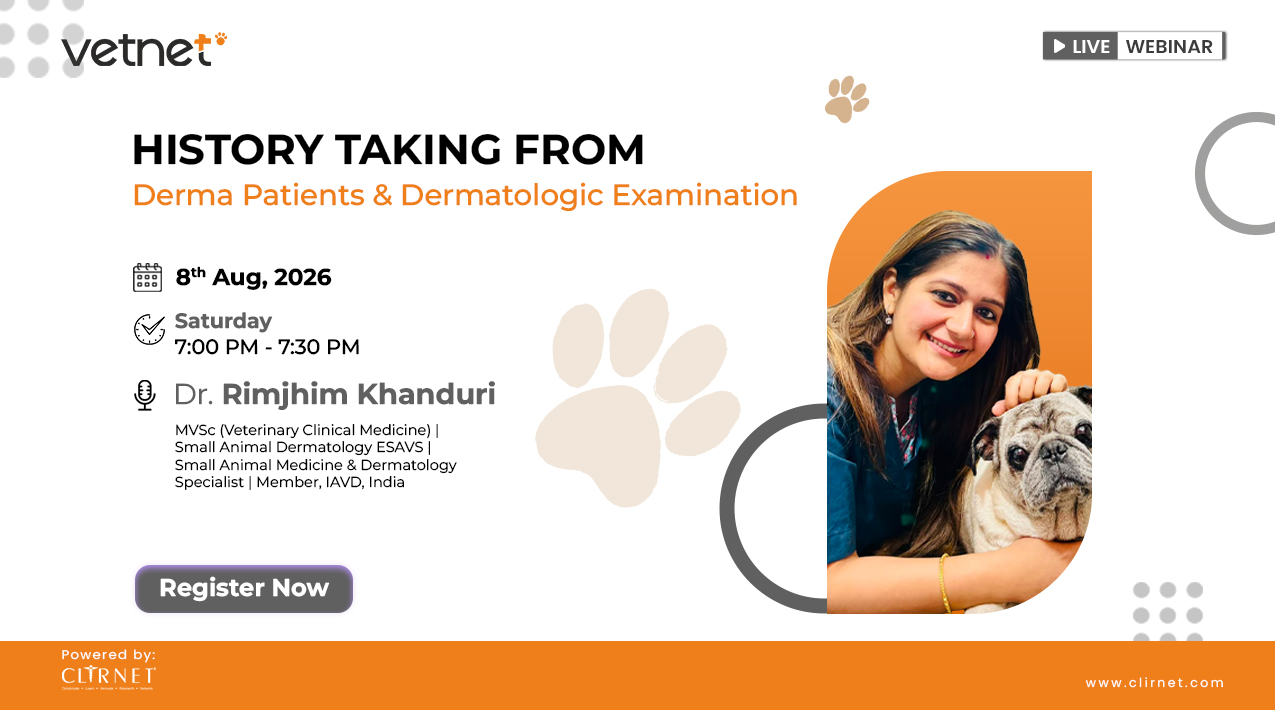
History Taking from Derma Patients & Dermatologic Examination
Dermatological disorders are among the most common reasons for veterinary consultations in small animal practice. Accurate diagnosis begins with a thorough history and a systematic clinical examination. A structured dermatologic work-up includes assessment of the presenting complaint, onset and progression of lesions, pruritus, seasonality, diet, parasite control, environmental factors, previous treatments, and concurrent illnesses. Clinical examination involves evaluating lesion morphology, distribution patterns, coat quality, ear involvement, nail changes, and mucocutaneous lesions while distinguishing between primary and secondary skin lesions. Correlating historical findings with physical examination provides the foundation for selecting appropriate diagnostic tests and establishing an accurate diagnosis in canine and feline dermatology.
Related Contents
.jpg)
Upcoming Event
The Prostate and Its Disorders in Pet Practice
The prostate is the only accessory sex gland in male dogs and is affected by a range of disorders th...

Upcoming Event
Diagnostic Approach to the Anaemic Dog
Anaemia is a common clinical finding in canine practice and may result from blood loss, haemolysis,...
Upcoming Event
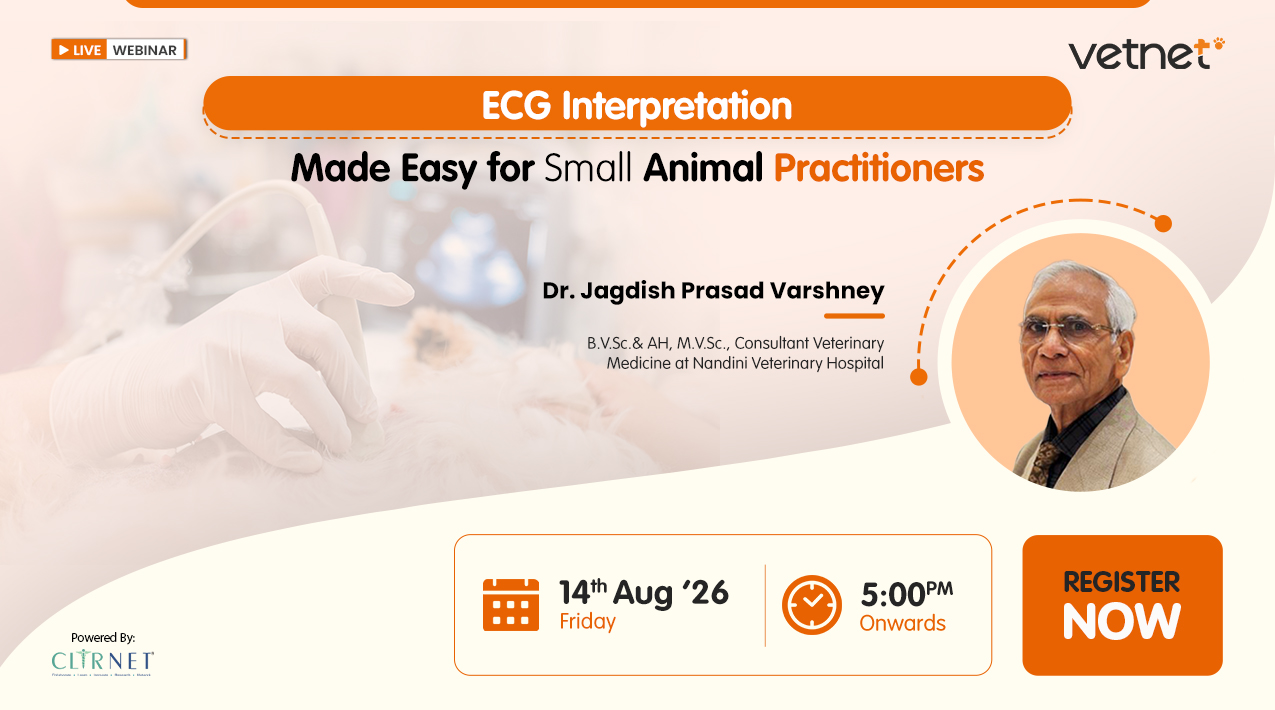
ECG Interpretation Made Easy for Small Animal Practitioners
Electrocardiography (ECG) is an essential diagnostic tool in small animal practice, yet many clinici...
Upcoming Event
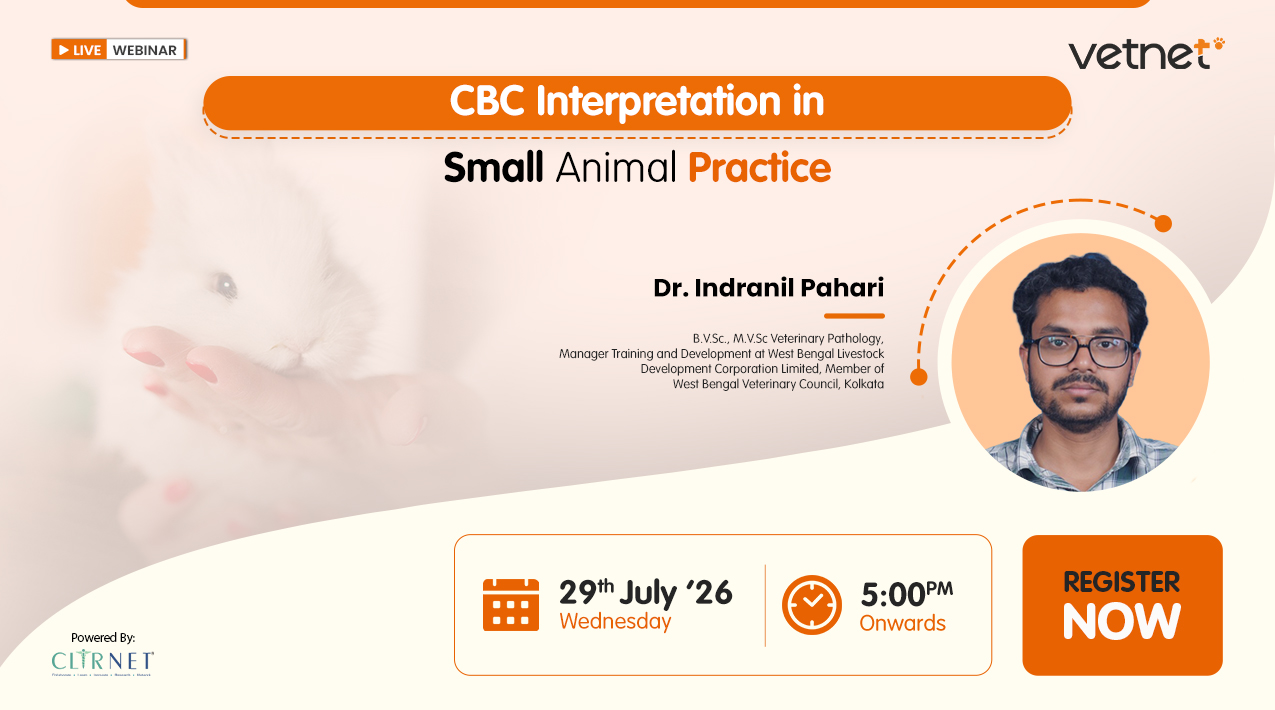
CBC Interpretation in Small Animal Practice
A complete blood count (CBC) is one of the most valuable diagnostic tools in small animal practice....

Upcoming Event
Managing Diabetes Mellitus in Cats
Diabetes mellitus is one of the most common endocrine disorders in cats, requiring lifelong manageme...
.jpg)
Upcoming Event
Approach to Kidney and Liver Injury
Kidney and liver injuries require timely recognition and a structured diagnostic approach. Explore p...

Upcoming Event
Early Diagnosis of Canine Osteoarthritis
Canine osteoarthritis is a progressive, degenerative joint disease that often develops gradually, wi...
.jpg)
Upcoming Event
Vaccination Failures: Is It the Vaccine or the Protocol?
Vaccination remains one of the most effective preventive measures in veterinary medicine; however, v...