Video
Together for Tomorrow: Breaking Silos in One Health
The One Health approach recognizes the inseparable connection between animal health, human health, and the environment. Yet, in practice, these domains often function in isolation, limiting our ability to effectively prevent and respond to emerging health challenges. From zoonotic disease outbreaks and antimicrobial resistance to food safety and environmental degradation, veterinarians are positioned at the frontline of issues that transcend species and sectors.
This session explores the critical role veterinarians play in breaking professional silos and advancing true One Health collaboration. Through real-world examples, the talk highlights how integrated efforts between veterinary, medical, environmental, and public health professionals can strengthen disease surveillance, improve outbreak preparedness, and promote sustainable health systems. Emphasis will be placed on practical strategies for cross-disciplinary communication, shared responsibility, and coordinated action, empowering veterinarians to become key drivers of One Health implementation for a healthier, more resilient tomorrow.
Deepen your understanding. Read the full open-access research paper on breaking silos through the One Health approach
https://clirnet-my.sharepoint.com/:b:/p/komal_santoria/IQDb0p_2HRySS7WfvwuyC3ixAfYv71ooE64oSZUzab5X_mI?e=JzYk0f
Related Contents
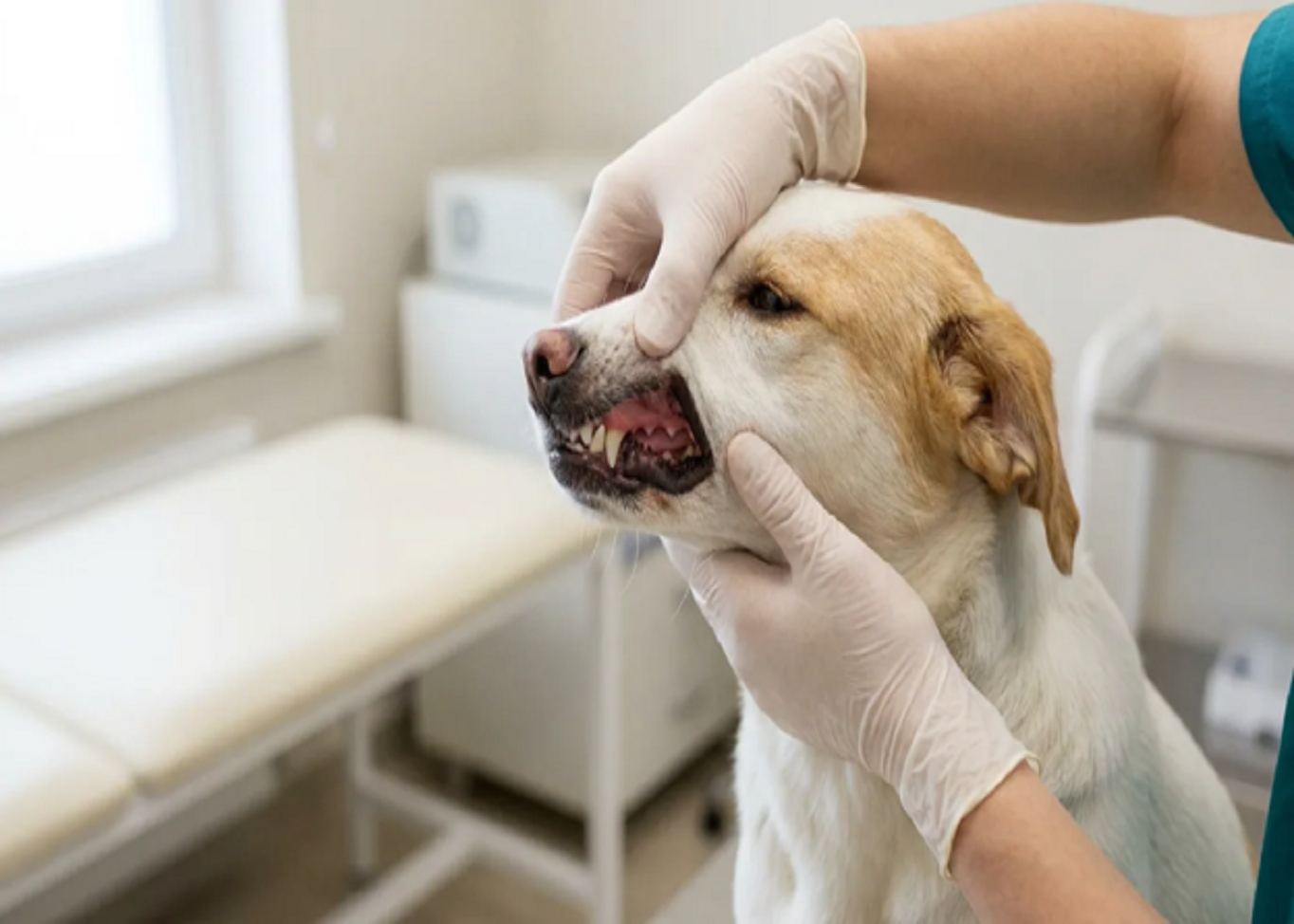
Article
Recognising Leptospirosis Across Animal Species: Clinical Presentations and Organ-Specific Changes
A dog presents with fever and systemic illness, while cattle experience reproductive failure without...
Article
Psychogenic Polydipsia in Dogs: Recognising Behavioural Triggers and Clinical Indicators
A dog presents with persistent excessive drinking and urination, yet its physical examination reveal...
Article
Diagnostic Approach to Canine PU/PD: Differentiating Primary Polydipsia from Primary Polyuria
Persistent excessive drinking and urination can be the presenting signs of several conditions in dog...
.jpg)
Upcoming Event
Culture-Guided Treatment of UTIs in Dogs and Cats
Make informed antibiotic choices in canine and feline UTIs with a culture-guided approach. Explore h...
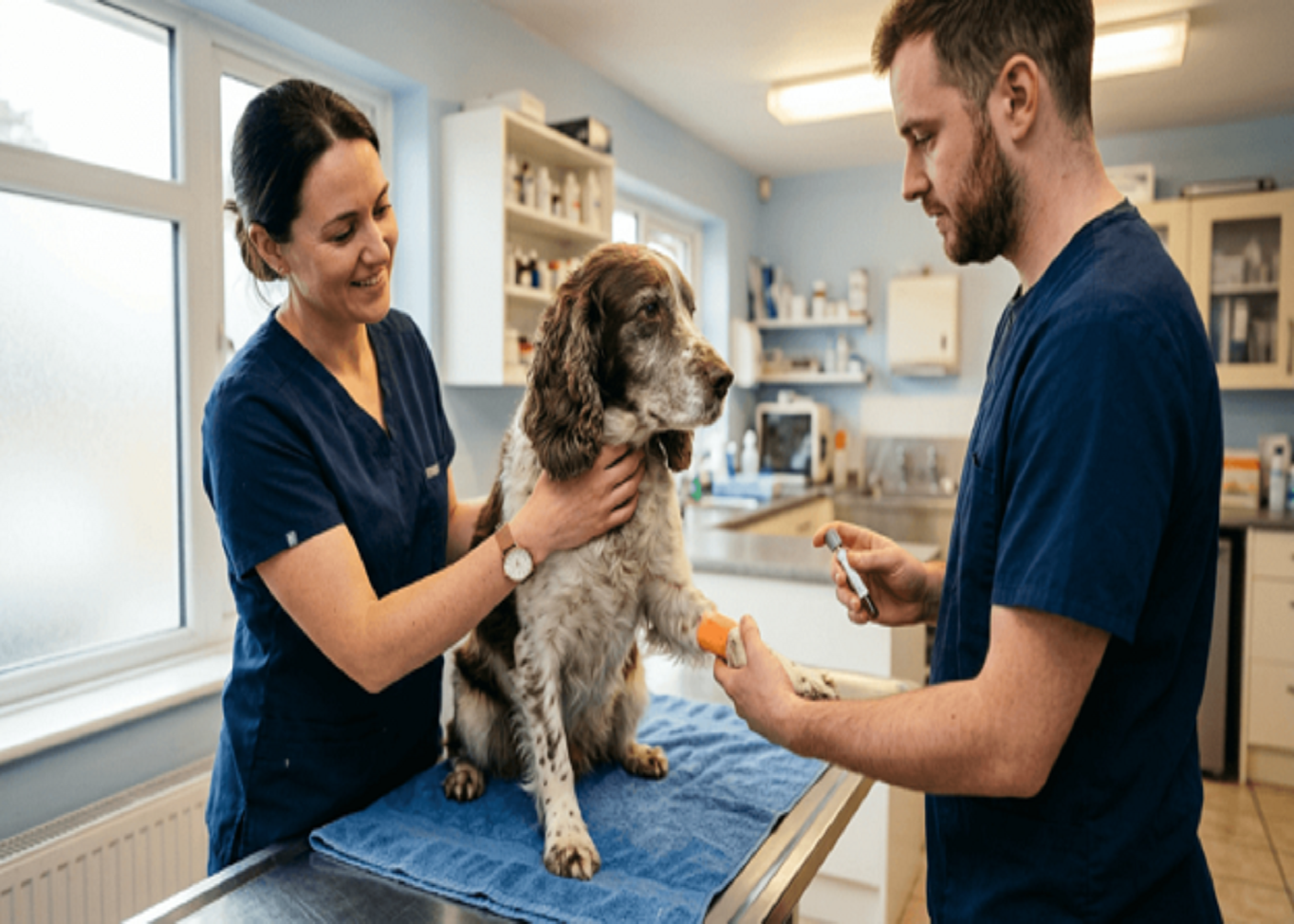
Article
Managing Psychogenic Polydipsia in Dogs: Water Intake, Behavioural Therapy and Pharmacological Intervention
Once psychogenic polydipsia (PPD) has been identified, management needs to address more than the vol...
Article
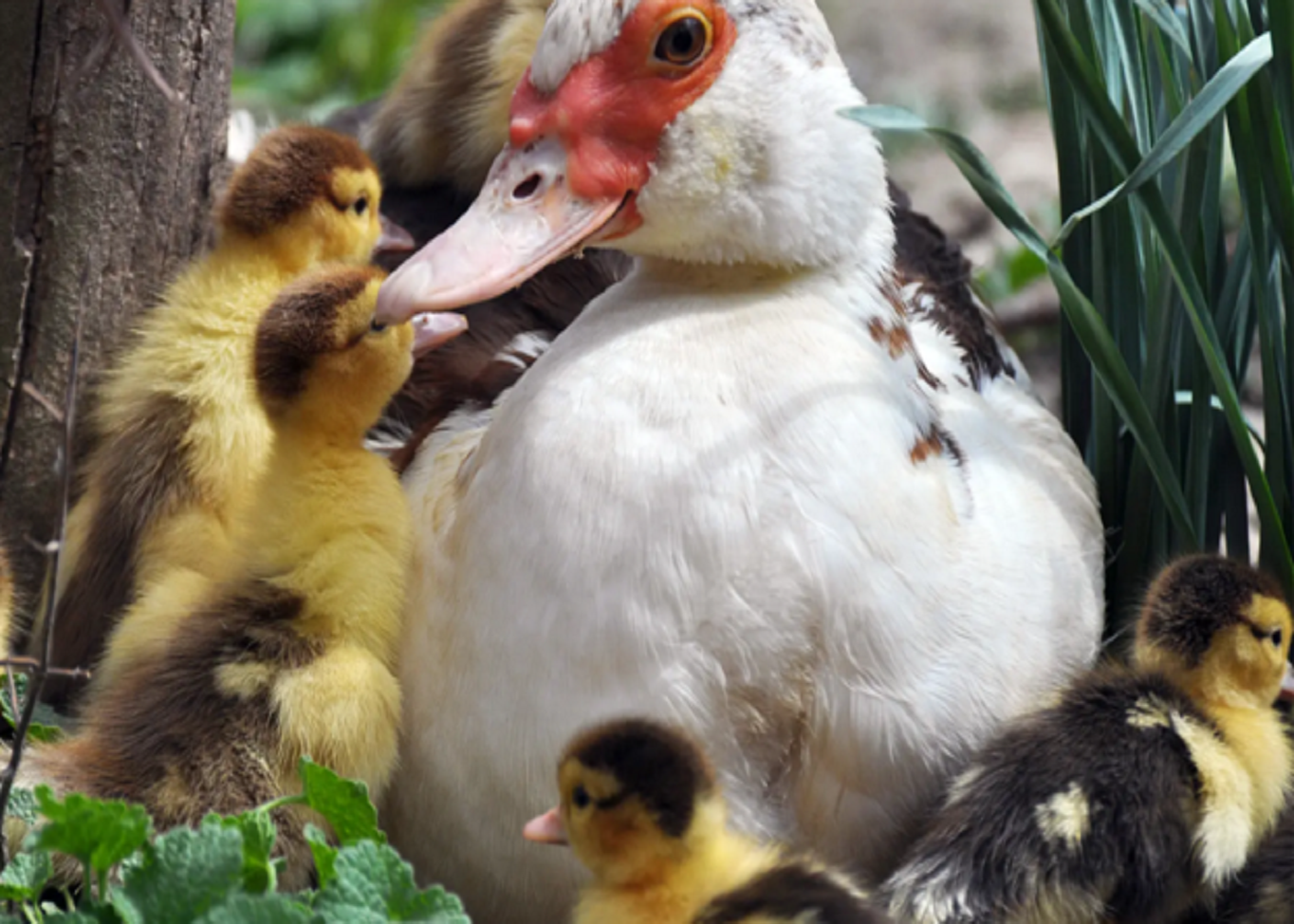
Duck Viral Hepatitis in Ducklings: Clinical Recognition and Differential Diagnosis
A sudden rise in mortality among young ducklings, particularly those under three weeks of age, shoul...
Article
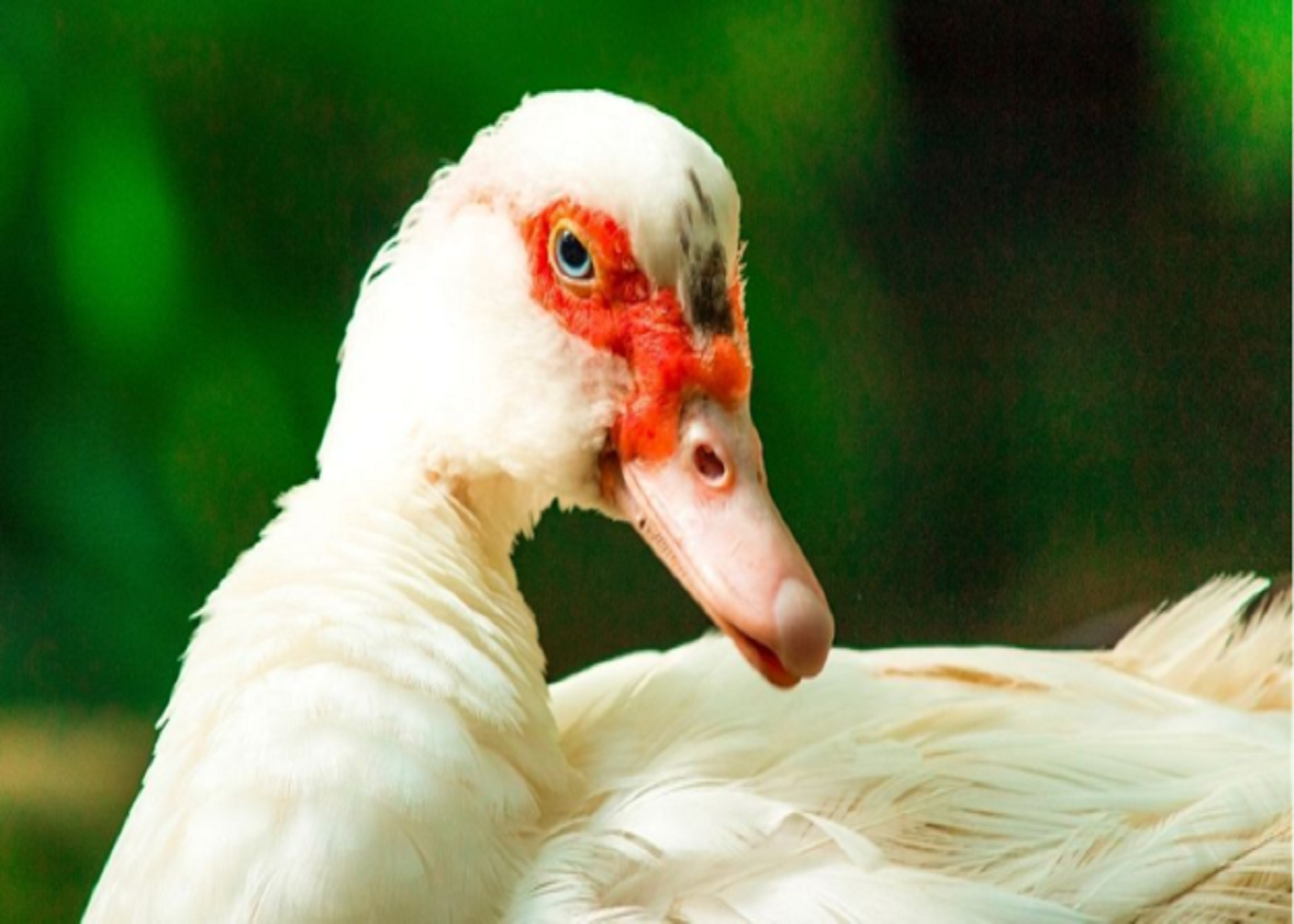
Confirming Duck Viral Hepatitis: Choosing and Interpreting Diagnostic Tests
When young ducklings develop sudden mortality and liver lesions suggestive of duck viral hepatitis (...
Article
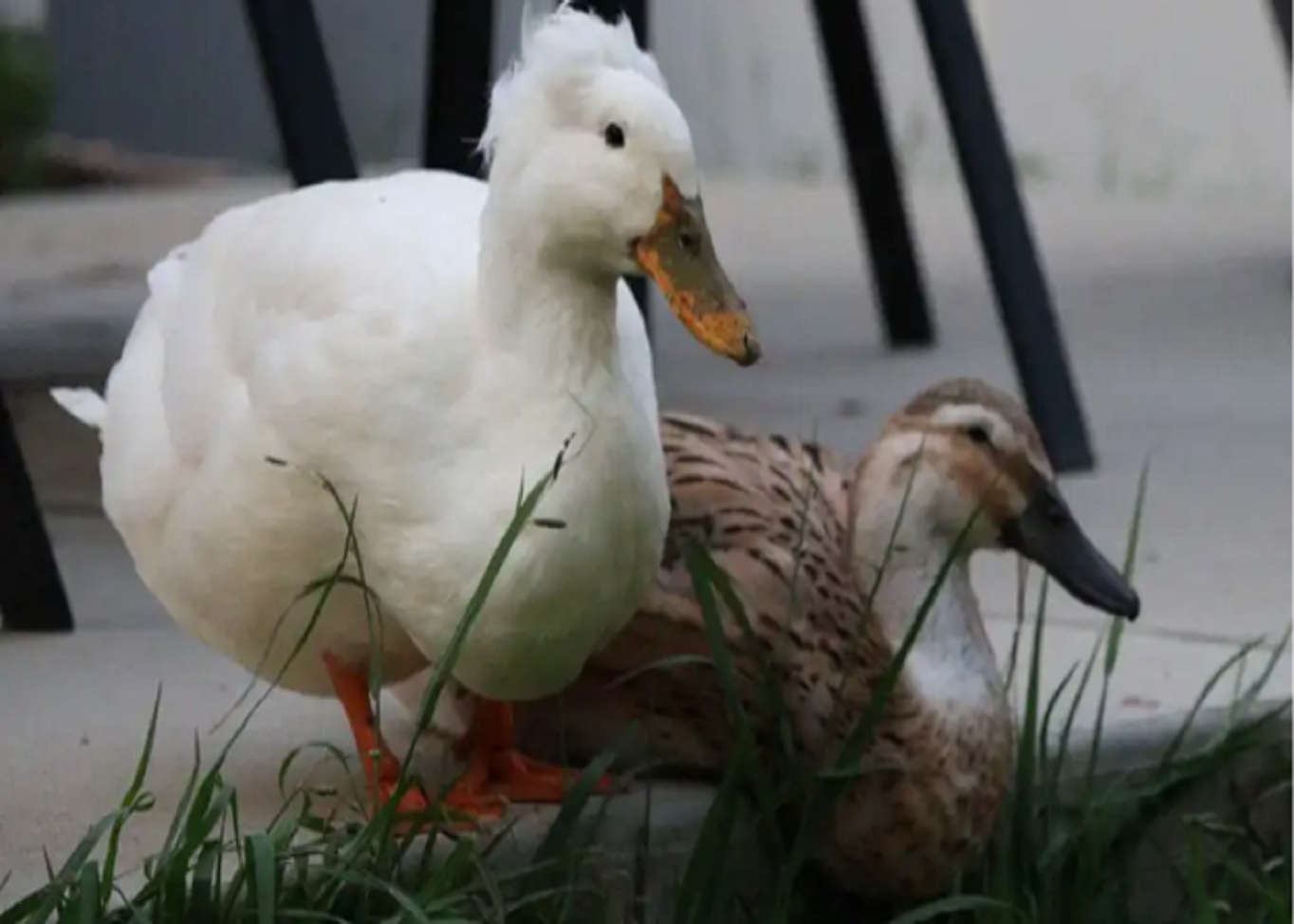
Duck Viral Hepatitis Vaccination: Managing Maternal Antibody Interference and Field Efficacy
Vaccination is a key strategy for controlling Duck Viral Hepatitis (DVH), particularly in intensive...