Video
PCR, Serology or Culture? Choosing the Right Diagnostic Test for Zoonotic Diseases
Accurate diagnosis is the cornerstone of effective management and control of zoonotic diseases. With multiple diagnostic options available, selecting the most appropriate test can be challenging in clinical and field settings. This webinar provides a practical guide to understanding the principles, advantages, limitations, and clinical applications of PCR, serology, and culture in the diagnosis of zoonotic infections. Participants will learn how factors such as disease stage, sample type, turnaround time, and test performance influence diagnostic decision-making. Through case-based discussions and practical examples, the session will help clinicians make informed choices for improved patient care and disease surveillance. Designed for veterinary students, interns, diagnosticians, field veterinarians, and laboratory professionals, this webinar emphasizes practical diagnostic decision-making.
Download the attached recent research paper to explore microbiological laboratory diagnostics of neglected zoonotic diseases.
https://doi.org/10.1016/j.actatropica.2015.09.003
Related Contents
.jpg)
Upcoming Event
Emerging Zoonotic Diseases: Early Detection in Veterinary Practice
Unusual clinical presentations and unexpected disease clusters may signal an emerging zoonotic threa...
Article
FCV-Associated Acute Oral and Upper Respiratory Disease in Cats
A kitten with fever, sneezing and reduced appetite may look like it has an uncomplicated upper respi...
Article
FCV-Associated Limping Syndrome in Cats: Recognising Acute Shifting Lameness
A cat that suddenly becomes lame in one limb and then appears painful in another can present a diagn...
Article
Feline Chronic Gingivostomatitis and Its Association With FCV
A cat with severe, persistent oral inflammation may have more than gingivitis. In feline chronic gin...
Article
Virulent Systemic Feline Calicivirus: Recognising and Investigating a High-Mortality Outbreak
A cluster of cats with fever, depression and severe respiratory disease demands a different level of...

Article
FCV Transmission and Persistence in Multicat Environments
A cat may recover from the obvious signs of feline calicivirus (FCV) infection and still remain rele...
Article
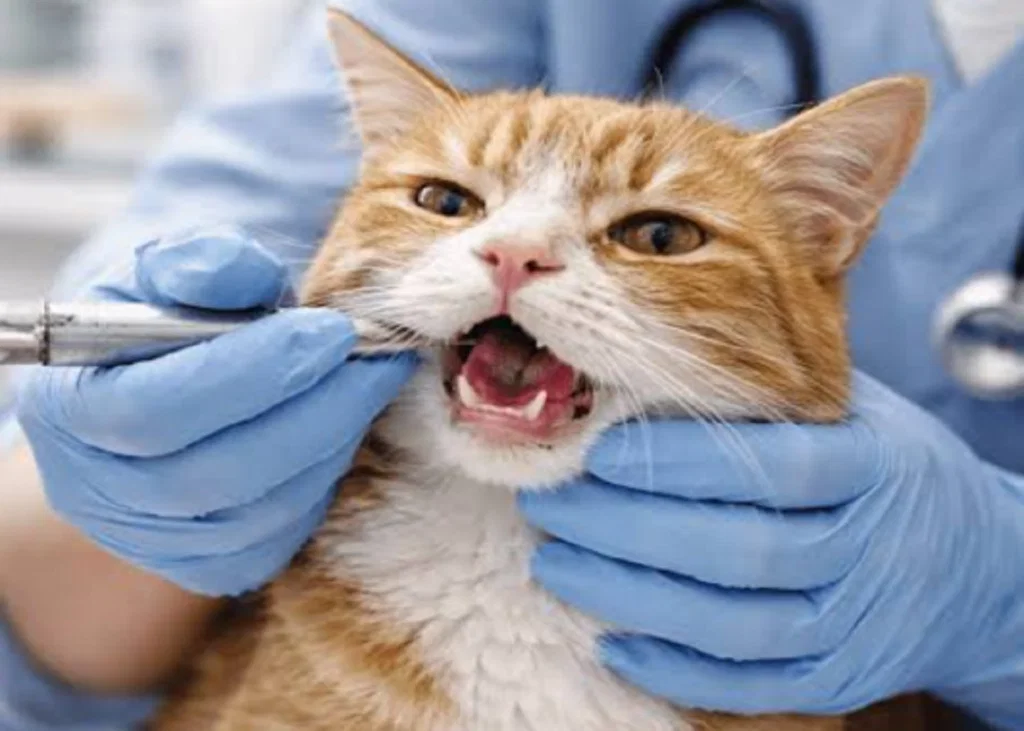
Diagnosing Feline Calicivirus: Interpreting RT-PCR, Sampling and Virus Isolation
A positive feline calicivirus test does not always mean FCV is responsible for a cat’s clinica...

Article
Supportive Management of Acute Feline Calicivirus Infection
For many cats with acute feline calicivirus (FCV) infection, treatment is largely supportive. The pr...