Article
Selective Dry Cow Therapy: A Smarter Approach to Mastitis Control
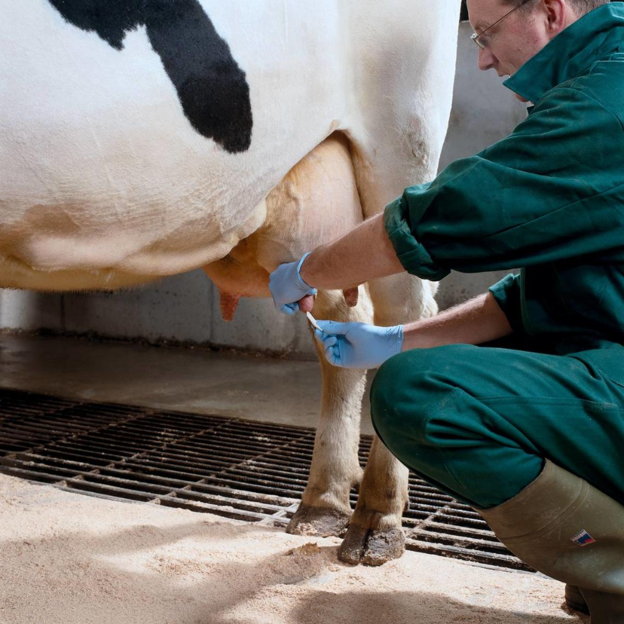
The dry period offers an important opportunity to improve udder health before the next lactation. Traditionally, many dairy herds have relied on Blanket Dry Cow Therapy (BDCT), where every cow receives antimicrobial treatment at dry-off regardless of infection status. While this approach has contributed to mastitis control, growing concerns about antimicrobial resistance (AMR) have encouraged more selective treatment strategies.
Selective Dry Cow Therapy (SDCT) represents a targeted approach in which only cows identified as being at risk of intramammary infection (IMI) receive antimicrobial treatment at dry-off. By limiting antibiotic use to animals that are most likely to benefit, SDCT supports antimicrobial stewardship while maintaining a strong focus on udder health1,2,3.
How Does Selective Dry Cow Therapy Work?
Unlike blanket treatment protocols, SDCT depends on identifying cows with an increased likelihood of infection before drying off. Rather than administering antimicrobials to the entire herd, treatment decisions are based on herd records and individual animal assessment.
Common methods used to identify cows requiring treatment include:
- Individual somatic cell count (SCC) records
- Previous mastitis history
- Milk culture results1,2,3
This targeted approach enables veterinarians and producers to focus antimicrobial use where it is most likely to provide clinical benefit.
Why SDCT Is Gaining Attention
Reducing unnecessary antimicrobial exposure is a major objective of antimicrobial stewardship. SDCT contributes to this goal by lowering the overall quantity of antibiotics used on dairy farms while continuing to address animals at higher risk of infection.
One report demonstrated an average 22% reduction in antimicrobial use for udder health when cows were selectively allocated for antimicrobial treatment rather than treated routinely4. Another evaluation comparing SDCT with BDCT found significantly lower antimicrobial use for udder health between dry-off and the first 100 days in milk, without negatively affecting udder health or milk yield4.
These findings support SDCT as a practical strategy for reducing antimicrobial use while maintaining productive herd management.
Successful Implementation Depends on More Than Protocols
Introducing SDCT requires more than selecting eligibility criteria. On-farm implementation depends on management practices, infrastructure, and effective communication between veterinarians and producers.
Several challenges have been identified during SDCT implementation, including:
- Increasing incidence of mastitis
- Limited farm infrastructure
- Peer pressure
- Perceived lack of preventive advice1
At the same time, important factors can facilitate successful adoption, including:
- Regulatory pressure supporting responsible antimicrobial use
- Targeted veterinary consultations
- High standards of farm hygiene1
These observations highlight the important advisory role veterinarians play when helping producers transition from blanket to selective treatment protocols.
Understanding the Relationship Between SDCT and Resistance
Evidence also indicates that antimicrobial exposure during the dry period can influence resistance patterns among mastitis pathogens.
An evaluation involving 382 cows reported increased resistance in coagulase-negative Staphylococcus isolates from antimicrobial-treated cows after calving. The greatest increase was observed for penicillin, while increased resistance against cephalothin, oxacillin, and ceftiofur was associated with treatment using the same antimicrobial class or classes sharing resistance mechanisms. Resistance to tetracycline was associated with antimicrobial therapy administered at dry-off, whereas resistance to penicillin decreased in cows receiving any antimicrobial therapy compared with untreated cows5.
These findings reinforce the importance of careful antimicrobial selection and continued monitoring of resistance patterns within dairy herds.
Considering Herd-Level Risk Factors
Effective SDCT also requires an understanding of herd-level risk factors. Reduced antimicrobial use around dry-off ranging from 31% to 66% has been reported with SDCT 6. Multiparous cows were found to have a higher risk of mastitis than primiparous cows, and the season of dry-off also influenced risk, with lower odds reported for cows drying off during spring, summer, and fall compared with winter in the United States6.
Another evaluation confirmed that selective drying in healthy cows was possible without increasing the risk of new intramammary infections or elevated somatic cell counts at calving compared with blanket treatment approaches6.
Practical Clinical Insights1,2,3,4,5,6
- Use individual SCC records, mastitis history, and milk culture results to identify cows suitable for SDCT.
- SDCT can substantially reduce antimicrobial use while supporting udder health when implemented appropriately.
- Successful adoption depends on strong farm hygiene, veterinary guidance, and producer education.
- Consider parity and seasonal risk factors when making dry-off treatment decisions.
- Ongoing monitoring of antimicrobial resistance patterns remains an important component of herd health management.
Selective Dry Cow Therapy represents a practical shift from routine antimicrobial administration to evidence-informed treatment decisions. By targeting cows most likely to benefit from therapy, veterinarians can help reduce unnecessary antimicrobial use while continuing to support mastitis control, animal welfare, and sustainable dairy herd management.
References
- Huey S, Kavanagh M, Regan A, Dean M, McKernan C, McCoy F, Ryan EG, Caballero-Villalobos J, McAloon CI. Engaging with selective dry cow therapy: understanding the barriers and facilitators perceived by Irish farmers. Irish veterinary journal. 2021 Oct 23;74(1):28. https://link.springer.com/content/pdf/10.1186/s13620-021-00207-0.pdf
- Rowe SM, Godden SM, Nydam DV, Gorden PJ, Lago A, Vasquez AK, Royster E, Timmerman J, Thomas MJ. Randomized controlled non-inferiority trial investigating the effect of 2 selective dry-cow therapy protocols on antibiotic use at dry-off and dry period intramammary infection dynamics. Journal of Dairy Science. 2020 Jul 1;103(7):6473-92. https://www.sciencedirect.com/science/article/pii/S0022030220303799
- Rowe SM, Godden SM, Nydam DV, Gorden PJ, Lago A, Vasquez AK, Royster E, Timmerman J, Thomas MJ. Randomized controlled trial investigating the effect of 2 selective dry-cow therapy protocols on udder health and performance in the subsequent lactation. Journal of dairy science. 2020 Jul 1;103(7):6493-503. https://www.sciencedirect.com/science/article/pii/S0022030220303210
- Lipkens Z, Piepers S, De Vliegher S. Impact of selective dry cow therapy on antimicrobial consumption, udder health, milk yield, and culling hazard in commercial dairy herds. Antibiotics. 2023 May 12;12(5):901. https://www.mdpi.com/2079-6382/12/5/901
- Okello E, ElAshmawy WR, Williams DR, Lehenbauer TW, Aly SS. Effect of dry cow therapy on antimicrobial resistance of mastitis pathogens post-calving. Frontiers in Veterinary Science. 2023 Jul 20;10:1132810. https://www.frontiersin.org/journals/veterinary-science/articles/10.3389/fvets.2023.1132810/pdf
- Ferreira FC, Martínez-López B, Okello E. Potential impacts to antibiotics use around the dry period if selective dry cow therapy is adopted by dairy herds: An example of the western US. Preventive veterinary medicine. 2022 Sep 1;206:105709. https://www.sciencedirect.com/science/article/pii/S0167587722001428
Related Contents
Upcoming Event
African Swine Fever: Diagnosis and Management
African swine fever can cause severe disease and significant losses in affected pig populations.&nbs...
.jpg)
Video
Transjugular Removal of Canine Heartworms: A Clinical and Surgical Overview
Transjugular removal of canine heartworms is a specialized intervention used in selected dogs with s...

Article
Feline Pregnancy Endocrinology: Hormonal Changes and Placental Function
Pregnancy in cats involves a distinctive endocrine pattern in which ovarian and placental hormones w...

Article
Hormonal Control of Pregnancy Termination in Cats
Pregnancy maintenance in cats depends strongly on coordinated hormonal support, particularly progest...

Article
Feline Embryo Implantation and Early Placental Development
Pregnancy establishment in cats involves a sequence of precisely timed events between fertilization,...

Article
Ultrasonographic Monitoring of Pregnancy in Cats: A Gestational Timeline
Ultrasonography provides a practical way to follow the progression of feline pregnancy by identifyin...

Article
Feline Mismating: Pregnancy Diagnosis and Clinical Management
Mismating or unplanned mating is a common clinical problem in sexually mature queen cats because of...

Article
Medical Termination of Pregnancy in Queens: Drugs, Timing and Treatment Protocols
Medical termination of pregnancy (MTP) in queen cats should be approached according to the timing of...