Article
Hindlimb Lameness in Dogs - Differential Diagnosis & Field Management
Hindlimb lameness is a frequent presenting complaint in Indian veterinary clinics, especially among large-breed dogs. Accurate diagnosis and effective field management of this issue require a structured approach to differentiating common orthopedic conditions such as cranial cruciate ligament rupture (CCLR), hip dysplasia, patellar luxation, and musculoskeletal trauma.
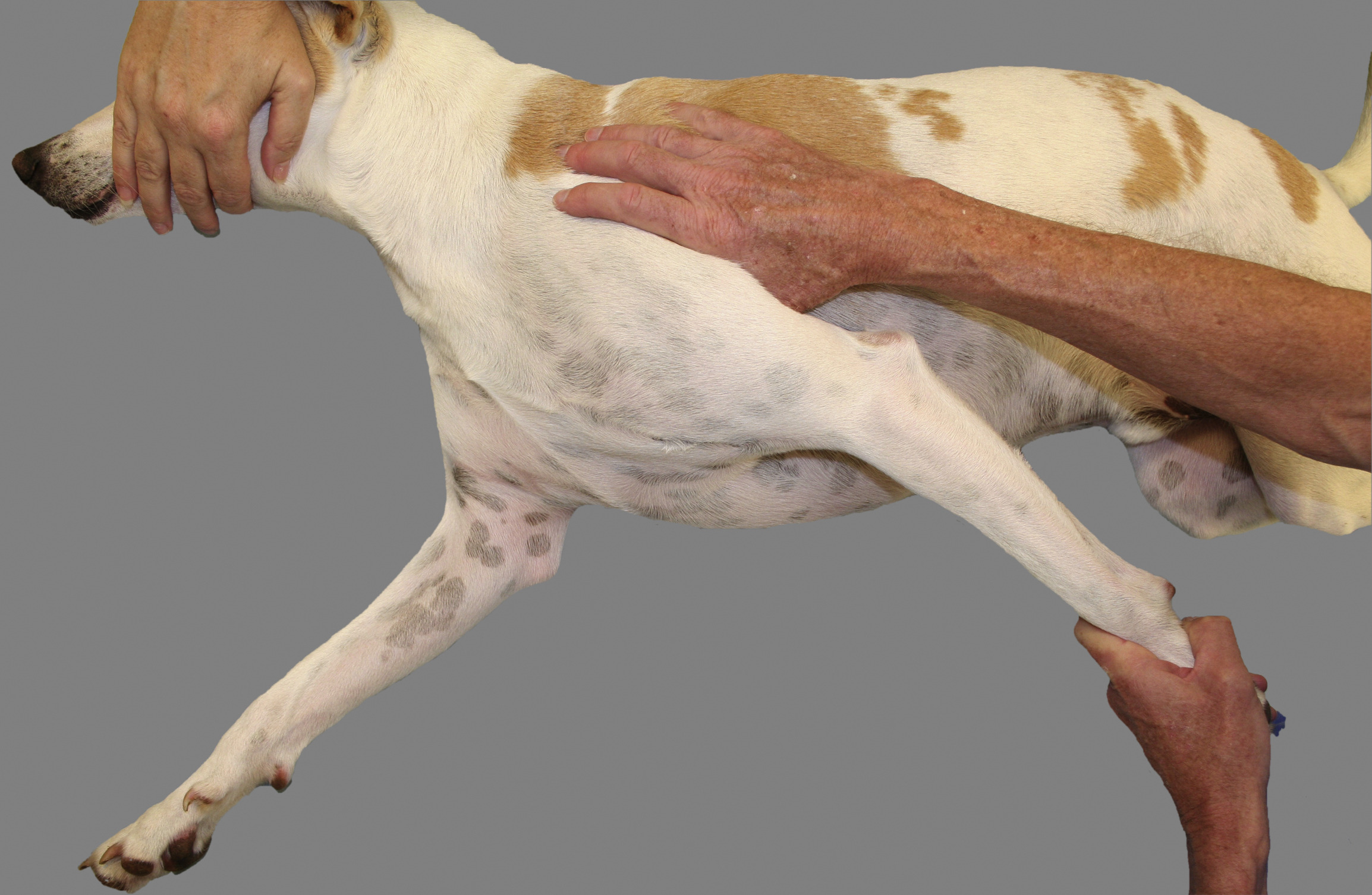
Cranial cruciate ligament rupture is the leading cause of hindlimb lameness in adult dogs. It is commonly seen in Labradors, German Shepherds, and Indian Indies. Dogs typically present with acute, non-weight-bearing lameness and stifle joint effusion. Key diagnostic tests include the cranial drawer and tibial thrust tests. Radiographs may reveal joint effusion and osteophytes in chronic cases (Duerr et al., 2016).
Hip dysplasia, often bilateral and genetically predisposed, affects the coxofemoral joint and presents as bunny-hopping gait, difficulty rising, and muscle wasting. Diagnosis requires sedation and proper radiographic positioning (extended VD view). The Ortolani sign can be helpful in detecting hip laxity in young dogs.
Patellar luxation, particularly medial luxation, is more common in small breeds but can be seen in medium-breed Indian dogs. Clinical signs include intermittent skipping lameness and reluctance to jump. Diagnosis is manual palpation often reveals spontaneous luxation
during flexion (Innes et al., 2000).
In field setups with limited imaging access, a tiered management approach is essential(Di Dona et al., 2018):
- Start with cage rest (5–7 days), cold compress, and NSAIDs (e.g., carprofen 4.4 mg/kg SID).
- Monitor response and re-evaluate lameness at day 7–10.
- Persistent or non-improving cases should be referred for orthopedic consultation and imaging.
Rehabilitation exercises such as assisted walking, weight shifts, and underwater treadmill therapy improve recovery post-diagnosis or surgery. Owner education on exercise restriction, dietary control, and joint supplementation (e.g., omega-3s, glucosamine) is crucial to avoid recurrence.
References:
- Duerr FM et al. (2016). https://pubmed.ncbi.nlm.nih.gov/25328024/
- Innes JF & Bacon D. (2000). https://pubmed.ncbi.nlm.nih.gov/11058021
- Di Dona, F., Della Valle, G., & Fatone, G. (2018). https://doi.org/10.2147/vmrr.s142545
Related Contents
.jpg)
Video
Transjugular Removal of Canine Heartworms: A Clinical and Surgical Overview
Transjugular removal of canine heartworms is a specialized intervention used in selected dogs with s...

Article
Feline Pregnancy Endocrinology: Hormonal Changes and Placental Function
Pregnancy in cats involves a distinctive endocrine pattern in which ovarian and placental hormones w...

Article
Hormonal Control of Pregnancy Termination in Cats
Pregnancy maintenance in cats depends strongly on coordinated hormonal support, particularly progest...

Article
Feline Embryo Implantation and Early Placental Development
Pregnancy establishment in cats involves a sequence of precisely timed events between fertilization,...

Article
Ultrasonographic Monitoring of Pregnancy in Cats: A Gestational Timeline
Ultrasonography provides a practical way to follow the progression of feline pregnancy by identifyin...

Article
Feline Mismating: Pregnancy Diagnosis and Clinical Management
Mismating or unplanned mating is a common clinical problem in sexually mature queen cats because of...

Article
Medical Termination of Pregnancy in Queens: Drugs, Timing and Treatment Protocols
Medical termination of pregnancy (MTP) in queen cats should be approached according to the timing of...

Article
Safety and Aftercare Following Pregnancy Termination in Queen Cats
Pregnancy termination in queen cats requires more than selecting an appropriate abortifacient. Once...