Article
Food Allergies in Cats – Managing the Fussy Eaters
Food allergies are a common, yet often under-recognized cause of chronic pruritus in cats. Unlike dogs, cats may develop allergies to a wider range of dietary proteins, and even minor exposure can trigger significant skin reactions. While diagnosis can be challenging, identifying the offending allergen is the first step toward lifelong management and improved quality of life1.
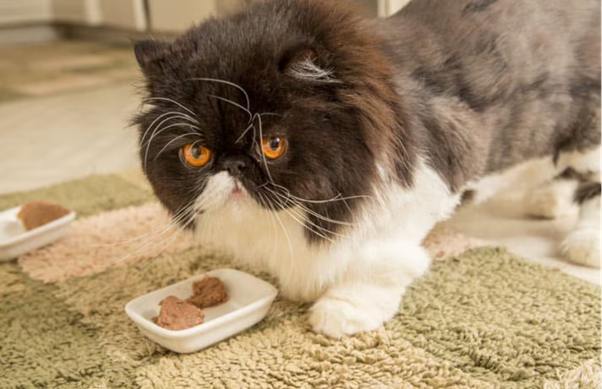
Cats with food allergies often present with persistent itching, self-inflicted hair loss, and skin lesions, sometimes accompanied by gastrointestinal signs such as vomiting or diarrhea. Clinicians must remember that palatability is a crucial factor, as many cats are notoriously picky and may refuse unfamiliar diets.
Dietary Management Strategies
- Novel Protein Diets:
Prescription diets with proteins the cat has never encountered—such as rabbit, kangaroo, or alligator—can help eliminate allergic triggers. Novel proteins reduce the risk of cross-reactivity and provide a practical starting point for elimination trials1.
- Hydrolyzed Protein Diets:
Hydrolyzed diets break proteins down into tiny fragments that are less likely to elicit an immune response. Options include hydrolyzed soy, fish, or poultry feather. These diets can be particularly useful for cats with multiple food sensitivities.
- Long-Term Commitment:
Food allergy management is not short-term. Once a suitable diet is identified, owners must adhere strictly for the cat’s lifetime. Even minor deviations can trigger flares. Veterinarians should stress this commitment during consultations and provide clear guidance on monitoring pruritus improvement over time.
- Practical Considerations:
- Stock extra bags or cans of the prescribed diet to prevent shortages.
- Consider multiple brands with similar formulations to mitigate potential supply issues.
- Home-cooked diets should only be designed in consultation with a veterinary nutritionist to ensure balanced nutrition.
Client Communication Tips
- Explain that food allergy management is a long-term plan, not a quick fix.
- Prepare owners for potential trial-and-error periods while the optimal diet is identified.
- Encourage monitoring and documenting pruritus, vomiting, or diarrhea, which helps track response and adjust strategies.
- Emphasize that compliance is critical for success; even small dietary lapses may trigger flare-ups1.
Key Takeaways
- Cats are more prone to food allergies than dogs, and reactions can be triggered by minor exposures. Novel protein and hydrolyzed diets are the cornerstone of management. Palatability, adherence, and planning for long-term feeding are essential to success. Client education and proactive support improve compliance and patient outcomes.
Reference:
1. Miller J, Simpson A, Bloom P, Diesel A, Friedeck A, Paterson T, Wisecup M, Yu CM. 2023 AAHA management of allergic skin diseases in dogs and cats guidelines. Journal of the American Animal Hospital Association. 2023 Nov 1;59(6):255-84. https://www.aaha.org/wp-content/uploads/globalassets/02-guidelines/2023-aaha-management-of-allergic-skin-diseases-in-dogs-and-cats-guidelines/resources/2023-aaha-management-of-allergic-skin-diseases-guidelines.pdf.
Related Contents
.jpg)
Video
Transjugular Removal of Canine Heartworms: A Clinical and Surgical Overview
Transjugular removal of canine heartworms is a specialized intervention used in selected dogs with s...

Article
Feline Pregnancy Endocrinology: Hormonal Changes and Placental Function
Pregnancy in cats involves a distinctive endocrine pattern in which ovarian and placental hormones w...

Article
Hormonal Control of Pregnancy Termination in Cats
Pregnancy maintenance in cats depends strongly on coordinated hormonal support, particularly progest...

Article
Feline Embryo Implantation and Early Placental Development
Pregnancy establishment in cats involves a sequence of precisely timed events between fertilization,...

Article
Ultrasonographic Monitoring of Pregnancy in Cats: A Gestational Timeline
Ultrasonography provides a practical way to follow the progression of feline pregnancy by identifyin...

Article
Feline Mismating: Pregnancy Diagnosis and Clinical Management
Mismating or unplanned mating is a common clinical problem in sexually mature queen cats because of...

Article
Medical Termination of Pregnancy in Queens: Drugs, Timing and Treatment Protocols
Medical termination of pregnancy (MTP) in queen cats should be approached according to the timing of...

Article
Safety and Aftercare Following Pregnancy Termination in Queen Cats
Pregnancy termination in queen cats requires more than selecting an appropriate abortifacient. Once...