Article
Physiological and Biochemical Predictors of Outcome in Equine Colic
The abdominal pain symptoms known as colic are the leading cause of illness and death in horses. Consequently, they represent the most significant health concern in equines. Multiple factors contribute to its development, including dietary changes, carbohydrate overload, stress, dehydration, parasitic infections, NSAID or antibiotic use, dental disorders, intestinal torsion, and gastric ulcers1,2.
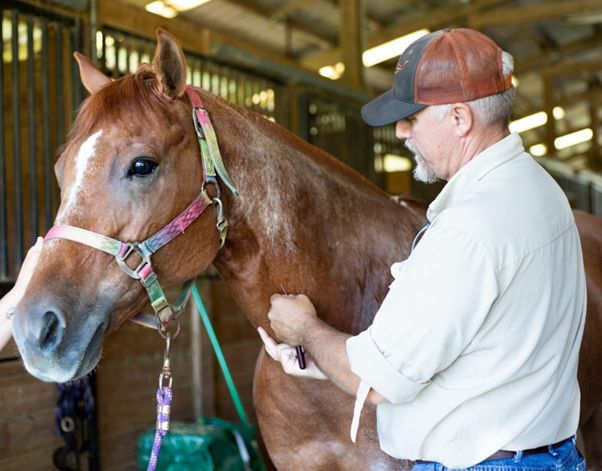
Clinical Examination in Colic Assessment
Routine physical examination remains the first and most important step in evaluating severity.
Key components include1:
- Heart rate
- Mucous membrane status
- Capillary refill time
- Rectal temperature
- Respiratory rate
- Gastrointestinal auscultation
- Rectal palpation
- Gastric reflux assessment
- Digital pulsation
These findings provide rapid insight into systemic compromise and guide early treatment decisions.
Clinical Indicators of Poor Prognosis
Certain clinical patterns consistently correlate with worse outcomes in colic cases2,3:
- Increased heart rate
- Pale or cyanotic mucous membranes
- Prolonged capillary refill time
- Fever or abnormal temperature
- Increased respiratory effort
- Reduced gastrointestinal motility
These changes often reflect progressing pain, hypovolemia, and early shock.
Gastrointestinal Findings
Gastrointestinal assessment remains one of the most reliable prognostic tools1.
- Reduced or absent gut sounds
- Strongly associated with poor outcomes
- Indicates decreased motility or severe intestinal dysfunction
- Gastric reflux
- Linked with increased severity
- Suggests functional or obstructive gastrointestinal compromise
Together, these findings provide early warning of high-risk colic cases.
Cardiovascular and Perfusion Indicators
Cardiovascular response consistently reflects disease severit1y.
- Elevated heart rate
- Strongly associated with increased mortality risk
- Reflects pain, hypovolemia, and systemic stress
- Capillary refill time (CRT)
- Prolonged CRT indicates poor perfusion and circulatory compromise
- Mucous membrane changes
- Pale or cyanotic appearance → reduced survival likelihood
These parameters collectively help identify early shock states.
Laboratory (Biochemical) Predictors1
Packed Cell Volume (PCV)
- Elevated PCV indicates:
- Dehydration
- Hemoconcentration
- Reduced circulating volume
- Associated with more severe clinical disease
Blood Lactate (Most Significant Marker)
- Strongest biochemical predictor of outcome
- Reflects:
- Tissue hypoxia
- Poor perfusion
- Metabolic stress
- Higher levels strongly associated with mortality risk
Considered one of the most reliable prognostic markers in equine colic
Parameters with Limited Predictive Value
Some variables show inconsistent or weak associations:
- Respiratory rate
- Digital pulse
These should be interpreted cautiously and never used alone for prognosis.
Integrated Prognostic Interpretation1,2
The most reliable predictors of poor outcome include:
- Reduced or absent gut sounds
- Elevated heart rate
- Increased blood lactate levels
These are further supported by:
- Elevated PCV
- Abnormal mucous membranes
- Prolonged capillary refill time
Best prognostic accuracy is achieved when clinical examination and biochemical data are interpreted together, rather than in isolation.
Conclusion
Prognostic evaluation of equine colic is most effective when combining bedside clinical assessment with targeted biochemical markers. Among all variables, blood lactate, heart rate, and gastrointestinal motility consistently provide the strongest predictive value. This integrated approach enables early identification of high-risk cases and supports improved clinical decision-making in equine practice.
References
- Mickevičienė I, Mikalauskienė D, Miknienė Z. The prognostic importance of physiological and biochemical parameters in horses afflicted with colic. Open Veterinary Journal. 2024 Aug 31;14(8):1801. http://dx.doi.org/10.5455/OVJ.2024.v14.i8.8
- Bland SD. Equine colic: a review of the equine hindgut and colic. Veterinary Science Development. 2016 Aug 9;6(1). https://journals.pagepress.net/vsd/article/view/6223/6427
- Bihonegn T, Bekele F. Colic in equine: a review article. Int J Adv Res Biol Sci. 2018;5(5):185-195.
Related Contents
.jpg)
Video
Transjugular Removal of Canine Heartworms: A Clinical and Surgical Overview
Transjugular removal of canine heartworms is a specialized intervention used in selected dogs with s...

Article
Feline Pregnancy Endocrinology: Hormonal Changes and Placental Function
Pregnancy in cats involves a distinctive endocrine pattern in which ovarian and placental hormones w...

Article
Hormonal Control of Pregnancy Termination in Cats
Pregnancy maintenance in cats depends strongly on coordinated hormonal support, particularly progest...

Article
Feline Embryo Implantation and Early Placental Development
Pregnancy establishment in cats involves a sequence of precisely timed events between fertilization,...

Article
Ultrasonographic Monitoring of Pregnancy in Cats: A Gestational Timeline
Ultrasonography provides a practical way to follow the progression of feline pregnancy by identifyin...

Article
Feline Mismating: Pregnancy Diagnosis and Clinical Management
Mismating or unplanned mating is a common clinical problem in sexually mature queen cats because of...

Article
Medical Termination of Pregnancy in Queens: Drugs, Timing and Treatment Protocols
Medical termination of pregnancy (MTP) in queen cats should be approached according to the timing of...

Article
Safety and Aftercare Following Pregnancy Termination in Queen Cats
Pregnancy termination in queen cats requires more than selecting an appropriate abortifacient. Once...