Article
Trichophyton erinacei in Pet Hedgehogs: What Every Exotic Animal Veterinarian Should Recognize Early
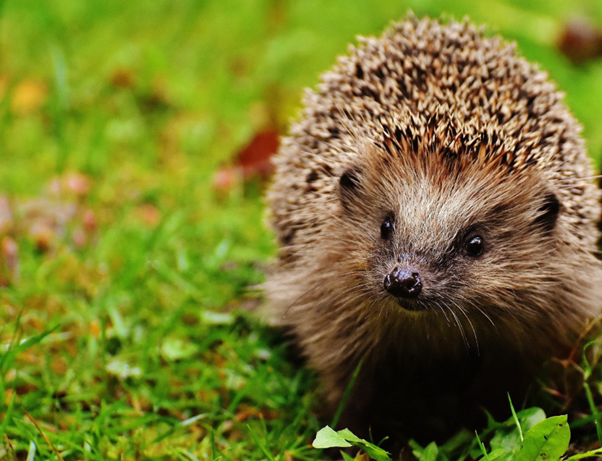
Exotic pet consultations in India are no longer limited to parrots and reptiles. Hedgehogs are increasingly appearing in urban veterinary practice, especially in metro cities, bringing with them a growing concern of zoonotic dermatophytosis caused by Trichophyton erinacei. For practicing veterinarians, this infection can easily become a missed diagnosis if dermatological signs are mistaken for ectoparasitic or nutritional skin disease.
The challenge with T. erinacei is not only the infection itself, but also its zoonotic potential. Many owners handle hedgehogs closely, often without protective measures, increasing the risk of fungal transmission through direct contact and contaminated environments1,2.
Why This Infection Is Easy to Miss
In clinical practice, affected hedgehogs may present with very non-specific dermatological signs. Crusting, scaling, spine loss, dry skin, and patchy alopecia are among the most common findings1. However, not every infected hedgehog looks severely diseased. Some animals may show only mild lesions, while others remain asymptomatic carriers1,3.
This creates a diagnostic problem in busy practice settings where fungal disease may not immediately be suspected.
In many cases, the initial differential diagnoses include:
- Mange or mite infestation
- Bacterial dermatitis
- Trauma-related lesions
- Poor husbandry-associated skin disease
- Nutritional deficiencies
Because hedgehog dermatology itself is still unfamiliar to many clinicians, fungal infections may remain undiagnosed for prolonged periods.
The Zoonotic Angle Veterinarians Should Not Ignore
One of the most important clinical discussions with owners should involve zoonotic risk. Hedgehog spines can create minor skin injuries, allowing fungal organisms easier access into human skin1,2.
Owners commonly report handling their pets frequently, allowing them on bedding, sofas, or even close facial contact. This significantly increases exposure risk, particularly in households with children or immunocompromised individuals.
Human lesions often begin as itchy, inflamed erythematous patches on the hands, fingers, or forearms after repeated handling of infected animals4. In some situations, these lesions are initially mistaken for eczema, leading to inappropriate steroid use and worsening fungal spread.
For veterinarians, asking owners whether anyone at home has developed unexplained skin lesions can provide an important clinical clue.
Environmental Contamination Is a Major Concern
T. erinacei is not restricted only to the animal’s skin. Fungal contamination may persist in bedding material and enclosure surfaces1. This means treatment failure can occur if environmental disinfection is ignored.
In multi-pet households or breeding setups, the infection can silently circulate between animals.
Basic client instructions should include:
- Regular bedding replacement
- Thorough enclosure cleaning
- Isolation of infected hedgehogs
- Hand hygiene after handling
- Avoiding direct contact with skin lesions
These simple preventive steps are often overlooked but are critical in controlling reinfection.
Diagnostic Challenges in Practice
Conventional fungal identification can be frustrating because T. erinacei resembles several other dermatophytes morphologically. Colony appearance is not always reliable, and pigmentation can vary depending on culture conditions1.
Whenever possible, fungal culture should be considered in suspicious dermatological cases, especially when routine therapy fails. Molecular diagnostic methods now provide more accurate differentiation between dermatophyte species1,5,6.
For practicing veterinarians, the key is clinical suspicion. A scaly hedgehog with spine loss that fails to respond to routine skin treatment should immediately raise concern for dermatophytosis.
Why Awareness Matters in Modern Veterinary Practice
As exotic pet ownership continues to expand in India, veterinarians are increasingly becoming the first line of defence against emerging zoonotic fungal diseases. Hedgehog dermatophytosis is no longer a rare academic discussion, it is becoming a practical clinical challenge.
Early recognition, owner education, environmental management, and timely antifungal therapy can significantly reduce both animal morbidity and zoonotic spread. For exotic animal practitioners, maintaining a strong suspicion for T. erinacei during dermatology consultations is becoming increasingly important in day-to-day practice.
References
- Kottferová L, Molnár L, Major P, Sesztáková E, Kuzyšinová K, Vrabec V, Kottferová J. Hedgehog dermatophytosis: understanding Trichophyton erinacei infection in pet hedgehogs and its implications for human health. Journal of Fungi. 2023 Nov 24;9(12):1132. https://www.mdpi.com/2309-608X/9/12/1132
- Baert F, Lefevere P, D’hooge E, Stubbe D, Packeu A. A polyphasic approach to classification and identification of species within the Trichophyton benhamiae complex. Journal of Fungi. 2021 Jul 26;7(8):602. https://www.mdpi.com/2309-608X/7/8/602
- Čmoková A, Kolařík M, Guillot J, Risco-Castillo V, Cabañes FJ, Nenoff P, Uhrlaß S, Dobiáš R, Mallátová N, Yaguchi T, Kano R. Host-driven subspeciation in the hedgehog fungus, Trichophyton erinacei, an emerging cause of human dermatophytosis. Persoonia-Molecular Phylogeny and Evolution of Fungi. 2022 Jun 30;48(1):203-18. https://www.ingentaconnect.com/contentone/wfbi/pimj/2022/00000048/00000001/art00006?crawler=true&mimetype=application/pdf
- Walsh AL, Merchan N, Harper CM. Hedgehog-transmitted Trichophyton erinaceid causing painful bullous tinea manuum. The Journal of Hand Surgery. 2021 May 1;46(5):430-e1. https://www.jhandsurg.org/article/S0363-5023(20)30354-3/fulltext
- Abarca ML, Castellá G, Martorell J, Cabañes FJ. Trichophyton erinacei in pet hedgehogs in Spain: Occurrence and revision of its taxonomic status. Medical mycology. 2017 Feb 1;55(2):164-72. https://academic.oup.com/mmy/article-pdf/55/2/164/9498182/myw057.pdf
- Nenoff P, Verma SB, Vasani R, Burmester A, Hipler UC, Wittig F, Krüger C, Nenoff K, Wiegand C, Saraswat A, Madhu R. The current Indian epidemic of superficial dermatophytosis due to Trichophyton mentagrophytes—A molecular study. Mycoses. 2019 Apr;62(4):336-56. https://www.researchgate.net/profile/Abir-Saraswat/publication/329762096_The_current_Indian_epidemic_of_superficial_dermatophytosis_due_to_Trichophyton_mentagrophytes-A_molecular_study/links/5ca49607a6fdcc12ee8f8819/The-current-Indian-epidemic-of-superficial-dermatophytosis-due-to-Trichophyton-mentagrophytes-A-molecular-study.pdf
Related Contents
.jpg)
Video
Transjugular Removal of Canine Heartworms: A Clinical and Surgical Overview
Transjugular removal of canine heartworms is a specialized intervention used in selected dogs with s...

Article
Feline Pregnancy Endocrinology: Hormonal Changes and Placental Function
Pregnancy in cats involves a distinctive endocrine pattern in which ovarian and placental hormones w...

Article
Hormonal Control of Pregnancy Termination in Cats
Pregnancy maintenance in cats depends strongly on coordinated hormonal support, particularly progest...

Article
Feline Embryo Implantation and Early Placental Development
Pregnancy establishment in cats involves a sequence of precisely timed events between fertilization,...

Article
Ultrasonographic Monitoring of Pregnancy in Cats: A Gestational Timeline
Ultrasonography provides a practical way to follow the progression of feline pregnancy by identifyin...

Article
Feline Mismating: Pregnancy Diagnosis and Clinical Management
Mismating or unplanned mating is a common clinical problem in sexually mature queen cats because of...

Article
Medical Termination of Pregnancy in Queens: Drugs, Timing and Treatment Protocols
Medical termination of pregnancy (MTP) in queen cats should be approached according to the timing of...

Article
Safety and Aftercare Following Pregnancy Termination in Queen Cats
Pregnancy termination in queen cats requires more than selecting an appropriate abortifacient. Once...