Article
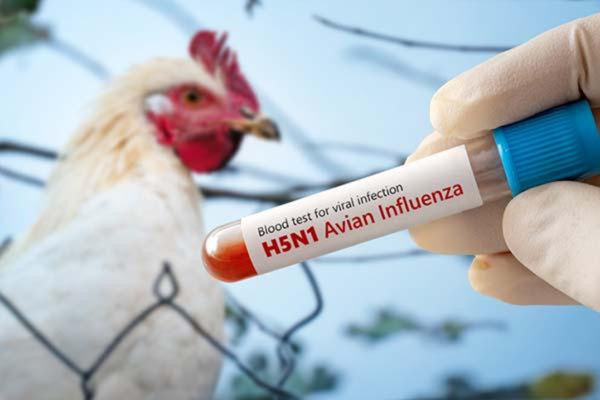
Avian Influenza in Poultry: Field Recognition and Early Warning Signs
Avian influenza (AI), particularly highly pathogenic avian influenza (HPAI), remains one of the most significant transboundary poultry diseases with rapid flock spread and high mortality. Early field recognition is critical because laboratory confirmation often comes after substantial within-farm transmission has already occurred1. This article focuses on practical, field-based warning signs that help veterinarians suspect avian influenza early, differentiate it from common poultry diseases, and initiate immediate control measures.
Why Early Recognition Matters in Field Practice
Avian influenza outbreaks progress extremely fast in susceptible flocks. In many field situations, mortality may rise sharply within 24–48 hours of introduction. Studies on HPAI outbreaks emphasize that delayed suspicion is one of the main reasons for farm-level spread and regional dissemination¹. Therefore, veterinarians act as the first and most critical line of defense.
Key Field Suspicion Triggers1,2,3
Avian influenza must be suspected when the following patterns are observed:
Sudden and unexplained high mortality
- Rapid death in multiple birds within a short time
- Mortality often increases sharply without clear premonitory signs
- Death may occur in apparently healthy birds
This sudden pattern is a hallmark feature of HPAI outbreaks¹.
Rapid flock-wide spread
- Disease affects multiple houses or sections quickly
- Birds across different age groups may be involved
- Transmission appears unusually fast compared to bacterial diseases
This distinguishes AI from more localized infections like colibacillosis.
Severe depression and feed refusal
- Marked drop in activity
- Birds stop feeding and drinking
- Severe weakness develops before death in many cases
Respiratory and Systemic Warning Signs
Although not always uniform, common clinical signs include:
- Respiratory distress (gasping, coughing, sneezing)
- Cyanosis of comb, wattles, and shanks
- Swollen head and facial edema in some outbreaks
- Greenish or watery diarrhea in affected flocks
Field studies show that severity of signs may vary depending on host species and viral strain².
4. Neurological Signs (Important Field Indicator)
In some outbreaks, especially in chickens:
- Tremors
- Ataxia
- Twisted neck (torticollis)
- Incoordination
Neurological involvement is more common in highly pathogenic strains and is an important clue for differentiation from purely respiratory diseases.
5. Species Pattern Clues
Field veterinarians should note:
- Ducks may show milder signs but act as silent carriers
- Chickens often show severe acute mortality
- Mixed species farms show faster cross-species spread
Waterfowl involvement is often an early epidemiological warning sign.
6. Key Differential Clues (Field-Level)
Avian influenza should be suspected when:
- Mortality is sudden, high and rapidly spreading
- No response to routine antibiotics
- Severe systemic involvement is present
This helps differentiate from:
- Newcastle disease (more neurological dominance with slower spread)
- Colibacillosis (secondary, post-stress infection pattern)
- Heat stress (environmentally linked, non-infectious pattern)
7. Early Warning Signs Before Laboratory Confirmation
Veterinarians should treat the following as “red flags”:
- Rapid rise in daily mortality curve
- Simultaneous illness in multiple sheds
- Presence of unexplained deaths in apparently healthy birds
- Association with migratory bird contact or wetland proximity
- Sudden production drop in layers
Open-access outbreak analyses consistently show that early field suspicion significantly reduces outbreak size when control measures are initiated immediately.
Conclusion
Avian influenza must be suspected early based on clinical pattern recognition rather than waiting for laboratory confirmation. Sudden high mortality, rapid flock spread, systemic involvement, and neurological signs form the core field indicators. For veterinarians, early recognition is the most powerful tool to prevent large-scale poultry losses and regional outbreaks.
References
- He P, Chen Z, Yu H, Hayat K, He Y, Pan J, Lin H. Research progress in the early warning of chicken diseases by monitoring clinical symptoms. Applied Sciences. 2022 May 31;12(11):5601. https://doi.org/10.3390/app12115601
- Knežević S, Pajić M, Samojlović M, Đurđević B, Petrović T, Lupulović D, Vidaković Knežević S. Clinical findings in poultry infected with highly pathogenic avian influenza-field observations. https://repo.niv.ns.ac.rs/xmlui/bitstream/handle/123456789/478/clinks22.pdf?sequence=1&isAllowed=y
- Samy A, Naguib MM. Avian respiratory coinfection and impact on avian influenza pathogenicity in domestic poultry: field and experimental findings. Veterinary sciences. 2018 Feb 24;5(1):23. https://www.mdpi.com/2306-7381/5/1/23
Related Contents
.jpg)
Video
Transjugular Removal of Canine Heartworms: A Clinical and Surgical Overview
Transjugular removal of canine heartworms is a specialized intervention used in selected dogs with s...

Article
Feline Pregnancy Endocrinology: Hormonal Changes and Placental Function
Pregnancy in cats involves a distinctive endocrine pattern in which ovarian and placental hormones w...

Article
Hormonal Control of Pregnancy Termination in Cats
Pregnancy maintenance in cats depends strongly on coordinated hormonal support, particularly progest...

Article
Feline Embryo Implantation and Early Placental Development
Pregnancy establishment in cats involves a sequence of precisely timed events between fertilization,...

Article
Ultrasonographic Monitoring of Pregnancy in Cats: A Gestational Timeline
Ultrasonography provides a practical way to follow the progression of feline pregnancy by identifyin...

Article
Feline Mismating: Pregnancy Diagnosis and Clinical Management
Mismating or unplanned mating is a common clinical problem in sexually mature queen cats because of...

Article
Medical Termination of Pregnancy in Queens: Drugs, Timing and Treatment Protocols
Medical termination of pregnancy (MTP) in queen cats should be approached according to the timing of...

Article
Safety and Aftercare Following Pregnancy Termination in Queen Cats
Pregnancy termination in queen cats requires more than selecting an appropriate abortifacient. Once...