Article
Treating Dermatophytosis in Hedgehogs: Practical Antifungal Strategies for Veterinary Clinics
Treating dermatophytosis in hedgehogs is rarely straightforward in clinical practice. Unlike dogs and cats, hedgehogs present unique handling challenges that complicate topical therapy, increase stress during treatment, and raise the risk of zoonotic exposure for veterinary staff and owners.
For practicing veterinarians, successful management of Trichophyton erinacei infections requires more than prescribing antifungals. Environmental control, stress reduction, owner compliance, and awareness of emerging antifungal resistance all play a critical role in treatment outcomes.
Why Treatment Can Become Challenging
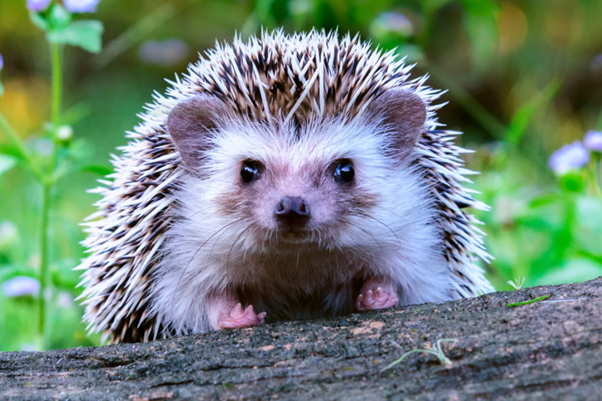
One of the biggest practical difficulties is the hedgehog’s anatomy itself. Thick multidirectional spines make topical medication application difficult, while the animal’s defensive balling behaviour limits proper access to affected areas1.
Bathing or antifungal rinses may become stressful procedures for both the animal and handler. Even when topical washes such as lime sulphur or enilconazole are used, complete body coverage can be difficult to achieve1.
In some cases, anaesthesia may be required to access lesions properly, particularly around the ventrum or face. However, this introduces additional concerns such as hypothermia and aspiration risk.
Because of these limitations, systemic therapy often becomes the more practical option in veterinary settings.
Systemic Therapy: What Works Better in Practice?
Griseofulvin was previously used for dermatophytosis in hedgehogs but is no longer preferred because of concerns regarding safety and treatment response1.
Itraconazole remains one of the commonly used systemic antifungals, with recommended doses ranging between 5–10 mg/kg once or twice daily in African pygmy hedgehogs1.
However, terbinafine is increasingly gaining importance due to its stronger mycological clearance rates. In clinical practice, veterinarians may observe faster improvement in scaling and reduction in fungal burden with terbinafine-based protocols1.
Both itraconazole and terbinafine have shown good tolerance in hedgehogs when administered with food, helping reduce gastrointestinal side effects1.
Why Combination Therapy Often Gives Better Results
In moderate to severe infections, combining systemic and topical therapy may improve recovery and reduce environmental fungal contamination.
Topical options with activity against dermatophytes include:
- Enilconazole
- Terbinafine
- Azoles
- Ciclopirox olamine
- Tolnaftate1
Topical therapy alone may not always be sufficient in heavily infected animals, particularly when lesions are widespread or chronic.
Veterinarians should also remember that fungal spores may persist on bedding and enclosure surfaces1. Without environmental cleaning, reinfection can occur even after apparent clinical improvement.
Antifungal Resistance: An Emerging Concern in India
One of the most clinically relevant concerns for Indian veterinarians is rising terbinafine resistance among dermatophytes1,2.
Resistance patterns are becoming increasingly important in both human and veterinary dermatology. Cases showing poor response, recurrent lesions, or prolonged infection duration should raise suspicion for resistant fungal strains.
In such situations, veterinarians should consider:
- Re-evaluating diagnosis
- Confirming fungal identification
- Assessing owner compliance
- Reviewing environmental hygiene
- Modifying antifungal protocols if needed
Incomplete treatment courses and irregular medication use may further contribute to resistance development.
Environmental Control Is Essential
Treatment success depends heavily on environmental management. Owners should be advised to regularly replace bedding, disinfect enclosures, and avoid sharing accessories between animals.
If multiple hedgehogs are housed together, all animals should be evaluated and treated when necessary1.
Simple hygiene instructions such as glove use and hand washing should also be reinforced to minimise zoonotic spread.
The Reality of Managing Hedgehog Dermatophytosis
For veterinarians, T. erinacei infections are not just routine fungal skin cases. They require a balanced approach involving accurate diagnosis, practical antifungal selection, environmental control, and owner education. Staying prepared with effective treatment strategies can help veterinarians improve both patient recovery and zoonotic safety.
References
- Kottferová L, Molnár L, Major P, Sesztáková E, Kuzyšinová K, Vrabec V, Kottferová J. Hedgehog dermatophytosis: understanding Trichophyton erinacei infection in pet hedgehogs and its implications for human health. Journal of Fungi. 2023 Nov 24;9(12):1132. https://www.mdpi.com/2309-608X/9/12/1132
- Yamada T, Maeda M, Alshahni MM, Tanaka R, Yaguchi T, Bontems O, Salamin K, Fratti M, Monod M. Terbinafine resistance of Trichophyton clinical isolates caused by specific point mutations in the squalene epoxidase gene. Antimicrobial agents and chemotherapy. 2017 Jul;61(7):10-128. https://journals.asm.org/doi/pdf/10.1128/aac.00115-17
Related Contents
.jpg)
Video
Transjugular Removal of Canine Heartworms: A Clinical and Surgical Overview
Transjugular removal of canine heartworms is a specialized intervention used in selected dogs with s...

Article
Feline Pregnancy Endocrinology: Hormonal Changes and Placental Function
Pregnancy in cats involves a distinctive endocrine pattern in which ovarian and placental hormones w...

Article
Hormonal Control of Pregnancy Termination in Cats
Pregnancy maintenance in cats depends strongly on coordinated hormonal support, particularly progest...

Article
Feline Embryo Implantation and Early Placental Development
Pregnancy establishment in cats involves a sequence of precisely timed events between fertilization,...

Article
Ultrasonographic Monitoring of Pregnancy in Cats: A Gestational Timeline
Ultrasonography provides a practical way to follow the progression of feline pregnancy by identifyin...

Article
Feline Mismating: Pregnancy Diagnosis and Clinical Management
Mismating or unplanned mating is a common clinical problem in sexually mature queen cats because of...

Article
Medical Termination of Pregnancy in Queens: Drugs, Timing and Treatment Protocols
Medical termination of pregnancy (MTP) in queen cats should be approached according to the timing of...

Article
Safety and Aftercare Following Pregnancy Termination in Queen Cats
Pregnancy termination in queen cats requires more than selecting an appropriate abortifacient. Once...