Article
Lungworm Infections in Hedgehogs: Why Respiratory Parasites Are Still Being Missed in Clinical Practice
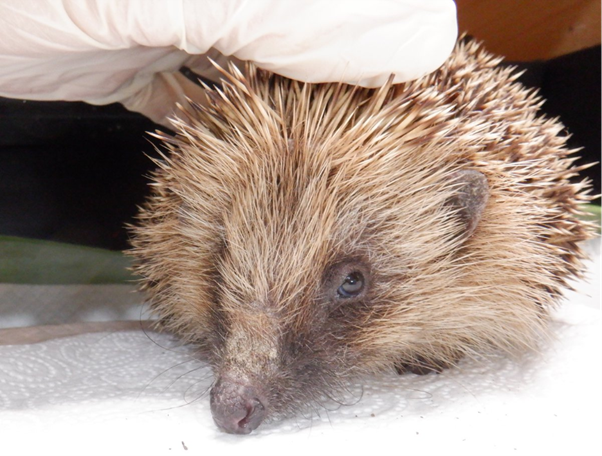
Respiratory parasitism continues to be one of the most clinically important yet underdiagnosed conditions encountered in hedgehog medicine. In rescued wild hedgehogs as well as captive exotic pets, lungworm infections can progress rapidly from mild respiratory irritation to severe bronchopneumonia, respiratory distress, and even death when diagnosis is delayed1,2,3.
Among the respiratory parasites affecting hedgehogs, Crenosoma striatum is considered one of the most frequently identified nematodes during clinical evaluations and postmortem examinations1,2,3. These parasites inhabit the bronchi and trachea, where heavy infestations can significantly compromise pulmonary function.
Understanding the Infection Cycle
The lifecycle of C. striatum contributes greatly to both transmission and diagnostic difficulty. Female worms produce eggs that hatch within the respiratory tract, after which larvae migrate into the digestive system once swallowed. Because larvae are eliminated intermittently through feces, a single negative fecal examination may not completely rule out infection1,3.
Environmental exposure is also difficult to control in wildlife settings. Slugs and snails act as intermediate hosts carrying infective L3 larvae, and hedgehogs become infected after ingesting these gastropods during natural foraging behavior1,3. Since free-ranging hedgehogs commonly consume snails, earthworms, and other invertebrates, exposure rates remain particularly high in rescue and rehabilitation environments.
Clinical Signs That May Be Overlooked
Respiratory parasite infections may initially resemble bacterial respiratory disease, which can delay appropriate diagnosis and treatment. Clinically affected hedgehogs may present with:
- Dry cough
- Crackling respiratory sounds
- Increased respiratory effort
- Choking episodes
- Weight loss
- Lethargy
- Anemia1,2
In younger hedgehogs especially, severe parasitic bronchopneumonia may develop rapidly if intervention is delayed1.
Mixed Lungworm Infections Are Common1
Another major respiratory parasite commonly detected alongside Crenosoma striatum is Eucoleus aerophilus (previously Capillaria aerophila). Adult worms inhabit the bronchi, bronchioles, and trachea, causing respiratory irritation and predisposing animals to secondary bacterial infections.
The clinical presentation often overlaps with other pulmonary diseases and may include coughing, tachypnea, crackles, pneumonia, and respiratory distress. In many necropsy examinations, both C. striatum and E. aerophilus are identified simultaneously, further complicating disease severity.
Diagnostic Challenges in Veterinary Practice
For veterinarians managing rescued hedgehogs with respiratory signs, maintaining suspicion for lungworm disease is essential.
The Baermann technique remains one of the most useful diagnostic methods for identifying C. striatum larvae in fresh fecal samples. However, because larval shedding may be intermittent, repeated testing is often necessary in clinically suspicious cases. Tracheobronchial washings may also aid diagnosis, particularly in severe respiratory presentations1,4,5.
For Capillaria infections, flotation methods can assist in identifying characteristic eggs in fecal samples4. In debilitated hedgehogs, combining respiratory examination, imaging, and repeated fecal diagnostics may improve diagnostic accuracy and allow earlier intervention.
Treatment and Supportive Care
Treatment should always be guided by clinical severity and diagnostic confirmation.
Among the therapeutic options currently used for pulmonary nematode infections, levamisole continues to be considered one of the preferred treatment choices in hedgehogs. Recommended protocols include administration at 27 mg/kg subcutaneously at 48-hour intervals4.
In many rescue and exotic animal settings, ivermectin is also frequently incorporated into treatment protocols because of its broad-spectrum activity against multiple internal and external hedgehog parasites4.
Supportive care remains equally important in severe respiratory cases. Fluid therapy, oxygen supplementation, nutritional stabilization, and management of secondary bacterial infections can significantly improve survival outcomes in hedgehogs affected by parasitic pneumonia.
Why Early Diagnosis Matters
Respiratory parasitism may also influence wildlife rehabilitation outcomes. Severe lungworm-associated pneumonia can temporarily delay reintroduction into the wild until treatment is completed and respiratory recovery is achieved1.
As hedgehog rescue admissions continue increasing, veterinarians involved in wildlife and exotic animal medicine should remain alert to respiratory parasitic disease. Early fecal screening, repeat diagnostic testing, and timely intervention can substantially improve recovery rates in these unique patients.
References
- Alfaia F, Jota Baptista C, Sós-Koroknai V, Hoitsy M, Sós E, Madeira de Carvalho LM. Hedgehogs’ parasitology: an updated review on diagnostic methods and treatment. Parasitologia. 2024 Mar 17;4(1):82-90. https://doi.org/10.3390/parasitologia4010007
- Hoseini SM, Youssefi MR, Mousapour A, Dozouri R, Eshkevari SR, Nikzad M, Nikzad R, Omidzahir S. Histopathologic study of eosinophilic bronchointerstitial pneumonia caused by Crenosoma striatum in the hedgehog. Journal of Zoo and Wildlife Medicine. 2014 Jun;45(2):335-8. https://www.academia.edu/download/67526824/HISTOPATHOLOGIC_STUDY_OF_EOSINOPHILIC_BR20210605-3828-ntelv9.pdf
- Barradas PF, Flores AR, Mateus TL, Carvalho F, Gärtner F, Amorim I, Mesquita JR. Crenosoma striatum in lungs of European hedgehogs (Erinaceus europeus) from Portugal. Helminthologia. 2020 May 23;57(2):179. https://sciendo.com/2/v2/download/article/10.2478/helm-2020-0020.pdf
- Bexton S. Hedgehogs. InBSAVA manual of wildlife casualties 2016 Dec 1 (pp. 117-136). BSAVA Library. https://www.bsavalibrary.com/content/chapter/10.22233/9781910443316.chap12?crawler=true&mimetype=application/pdf
- Allen S, Greig C, Rowson B, Gasser RB, Jabbar A, Morelli S, Morgan ER, Wood M, Forman D. Dna footprints: Using parasites to detect elusive animals, proof of principle in hedgehogs. Animals. 2020 Aug 14;10(8):1420. https://www.mdpi.com/2076-2615/10/8/1420
Related Contents
.jpg)
Video
Transjugular Removal of Canine Heartworms: A Clinical and Surgical Overview
Transjugular removal of canine heartworms is a specialized intervention used in selected dogs with s...

Article
Feline Pregnancy Endocrinology: Hormonal Changes and Placental Function
Pregnancy in cats involves a distinctive endocrine pattern in which ovarian and placental hormones w...

Article
Hormonal Control of Pregnancy Termination in Cats
Pregnancy maintenance in cats depends strongly on coordinated hormonal support, particularly progest...

Article
Feline Embryo Implantation and Early Placental Development
Pregnancy establishment in cats involves a sequence of precisely timed events between fertilization,...

Article
Ultrasonographic Monitoring of Pregnancy in Cats: A Gestational Timeline
Ultrasonography provides a practical way to follow the progression of feline pregnancy by identifyin...

Article
Feline Mismating: Pregnancy Diagnosis and Clinical Management
Mismating or unplanned mating is a common clinical problem in sexually mature queen cats because of...

Article
Medical Termination of Pregnancy in Queens: Drugs, Timing and Treatment Protocols
Medical termination of pregnancy (MTP) in queen cats should be approached according to the timing of...

Article
Safety and Aftercare Following Pregnancy Termination in Queen Cats
Pregnancy termination in queen cats requires more than selecting an appropriate abortifacient. Once...