Article
Choosing the Right Therapy for Feline Diabetes: Insulin or SGLT2 Inhibitors?
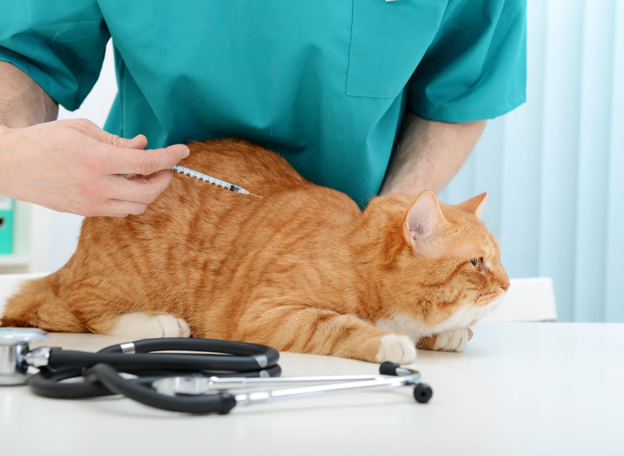
The management of feline diabetes mellitus has evolved considerably, giving veterinarians greater flexibility in selecting therapies that suit both the patient and the caregiver. Rather than following a single treatment pathway, current recommendations emphasize an individualized approach that considers the cat's clinical condition, concurrent diseases, caregiver expectations, and long-term treatment goals. A thorough initial assessment is essential because the choice between insulin therapy and sodium–glucose cotransporter-2 inhibitors (SGLT2is) depends on much more than blood glucose concentration alone1.
Begin with a Comprehensive Clinical Assessment
Treatment selection starts immediately after confirming the diagnosis of diabetes mellitus. The initial evaluation should determine whether the patient is stable or requires urgent intervention. Cats presenting with reduced appetite, dehydration, vomiting, diarrhoea, lethargy, or evidence of systemic illness should be evaluated promptly for ketosis or diabetic ketoacidosis (DKA), as these patients require insulin-based management and treatment of the underlying metabolic disturbance1.
For clinically stable cats, assessment should include dietary history, body weight, body condition score (BCS), muscle condition score, concurrent medications, blood pressure measurement, and investigation for comorbidities. Conditions such as hypersomatotropism, hypercortisolism, chronic kidney disease, pancreatitis, obesity, infections, or inflammatory disorders may influence therapeutic choices and should be addressed as part of the overall management plan1,2,3,4,5.
Insulin Therapy: Individualized and Goal-Oriented
Insulin remains a fundamental treatment option for feline diabetes. The guideline emphasizes that no single insulin formulation is universally superior, and selection should be tailored to the individual patient. Factors influencing insulin choice include disease pathophysiology, concurrent diseases, insulin pharmacology, regional prescribing regulations, caregiver compliance, diet, monitoring strategy, treatment goals, likelihood of remission, and concerns regarding hypoglycaemia1,5,6.
Several insulin formulations are available, each with different pharmacokinetic characteristics. Intermediate-acting preparations such as protamine zinc insulin (PZI) and glargine U100 are commonly administered every 12 hours, while long-acting glargine U300 may offer a flatter glucose profile with dosing intervals of 12–24 hours. The preferred formulation should fit both the patient's clinical needs and the caregiver's ability to administer treatment consistently1.
The objective of insulin therapy is not aggressive normalization of blood glucose but effective control of clinical signs while minimizing the risk of hypoglycaemia. For cats receiving twice-daily intermediate-acting insulin, treatment aims for blood glucose concentrations ranging from normal values at the nadir to approximately 14–19 mmol/l (250–350 mg/dl) at peak concentrations. Persistently normal fructosamine concentrations in an insulin-treated cat should prompt consideration of remission or possible overdosing1.
SGLT2 Inhibitors: An Alternative for Carefully Selected Cats1
The availability of SGLT2 inhibitors has expanded treatment options for feline diabetes. These medications reduce hyperglycaemia by promoting urinary glucose excretion, making them an alternative to insulin in selected patients. However, successful use depends heavily on appropriate case selection rather than convenience alone.
Before initiating SGLT2i therapy, thorough screening is essential. The guideline stresses that concurrent diseases should be identified and evaluated carefully because some conditions preclude their use. Following treatment initiation, close monitoring during the initial treatment period is critical to detect complications early and assess treatment response. Continued monitoring remains equally important during long-term therapy, as clinical assessment extends beyond glucose measurements alone.
Although SGLT2 inhibitors provide an additional therapeutic option, clinicians should remain aware of potential adverse events, particularly the risk of diabetic ketoacidosis and euglycaemic diabetic ketoacidosis (eDKA). Consequently, caregiver education and careful follow-up are integral components of safe treatment. The guideline also notes that diabetic remission associated with SGLT2i therapy remains insufficiently characterised, and current remission recommendations primarily relate to insulin-treated cats.
Selecting the Most Appropriate Therapy
Choosing between insulin and an SGLT2 inhibitor should be guided by both medical and practical considerations. Patient stability, appetite, ketone status, concurrent disease, anticipated monitoring requirements, treatment goals, and caregiver capabilities all influence the decision. Because feline diabetes exists on a spectrum rather than a fixed disease model, treatment plans should remain flexible and be reassessed as the patient's condition evolves1.
Practical Clinical Insights
Successful therapy begins with selecting the right treatment for the right patient rather than favouring one modality over another. Insulin remains indispensable for cats with ketosis, DKA, or significant concurrent disease, while SGLT2 inhibitors provide an important alternative for appropriately selected stable patients following careful screening and continued monitoring. Regular reassessment of clinical response, evaluation of comorbidities, and ongoing communication with caregivers allow treatment to evolve alongside the patient's needs, supporting practical, individualized, and sustainable long-term diabetic management.21,35,36,59–84
References
- Taylor S, Cannon M, Church D, Fleeman L, Fracassi F, Gilor C, Mott J, Niessen S. 2025 iCatCare consensus guidelines on the diagnosis and management of diabetes mellitus in cats. Journal of feline medicine and surgery. 2025 Nov;27(11):1098612X251399103. https://journals.sagepub.com/doi/pdf/10.1177/1098612X251399103
- Niessen SJ, Church DB, Forcada Y. Hypersomatotropism, acromegaly, and hyperadrenocorticism and feline diabetes mellitus. Veterinary Clinics: Small Animal Practice. 2013 Mar 1;43(2):319-50. https://www.academia.edu/download/35532763/1-s2.0-S0195561612002148-main.pdf
- Cook AK, Evans JB. Feline comorbidities: recognition, diagnosis and management of the cushingoid diabetic. Journal of feline medicine and surgery. 2021 Jan;23(1):4-16. https://journals.sagepub.com/doi/pdf/10.1177/1098612X20979507
- Valentin SY, Cortright CC, Nelson RW, Pressler BM, Rosenberg D, Moore GE, Scott-Moncrieff JC. Clinical findings, diagnostic test results, and treatment outcome in cats with spontaneous hyperadrenocorticism: 30 cases. Journal of Veterinary Internal Medicine. 2014 Mar;28(2):481-7. https://onlinelibrary.wiley.com/doi/pdf/10.1111/jvim.12298
- Nerhagen S, Moberg HL, Boge GS, Glanemann B. Prednisolone-induced diabetes mellitus in the cat: a historical cohort. Journal of feline medicine and surgery. 2021 Feb;23(2):175-80. https://journals.sagepub.com/doi/pdf/10.1177/1098612X20943522
- Spitznagel MB, Gober MW, Patrick K. Caregiver burden in cat owners: a cross-sectional observational study. Journal of Feline Medicine and Surgery. 2023 Jan;25(1):1098612X221145835. https://journals.sagepub.com/doi/pdf/10.1177/1098612x221145835
- Ward CR, Christiansen K, Li J, Bryson WL, Jerrentrup KA, Kroh C. Field efficacy and safety of protamine zinc recombinant human insulin in 276 dogs with diabetes mellitus. Domestic animal endocrinology. 2021 Apr 1;75:106575. https://www.sciencedirect.com/science/article/pii/S0739724020301429
Related Contents
Article
FGF-23 in Feline CKD: An Early Signal of Phosphate Dysregulation
A cat with early chronic kidney disease (CKD) may have a normal serum phosphate concentration. Does...
Article
Albuminuria or Transferrinuria? Reading the Glomerular Signal in Feline CKD
A cat can have chronic kidney disease (CKD) with only mild proteinuria. So, when urinary protein is...
Article
Tubular Injury Biomarkers in Feline CKD: What Can NGAL, KIM-1 and L-FABP Tell You?
When feline CKD is already suspected, identifying reduced renal function is only part of the clinica...
Article
Can Renal Fibrosis Biomarkers Reveal CKD Progression in Cats?
Chronic kidney disease in cats is not only a problem of declining renal function. Structural changes...
Article
When Creatinine May Not Tell the Full Story in Feline Acute Kidney Injury
Serum creatinine is routinely used with changes in urine output to diagnose and grade Acute Kidney I...

Article
When a Normal-Looking Udder Hides Mastitis: Recognising Subclinical Mastitis in Buffaloes
A buffalo can appear clinically normal while mastitis is already affecting the udder and milk produc...

Article
Buffalo Subclinical Mastitis: Which Risk Factors Should Vets Investigate?
When subclinical mastitis (SCM) keeps appearing in a buffalo herd, looking only at the affected anim...
Article
Diagnosing Subclinical Mastitis in Buffaloes: From SCC and CMT to Molecular Tests
Subclinical mastitis (SCM) can remain hidden because the buffalo may show no obvious udder or milk a...