Article
Managing an Orf Outbreak: Vaccination, Biosecurity and Zoonotic Risk
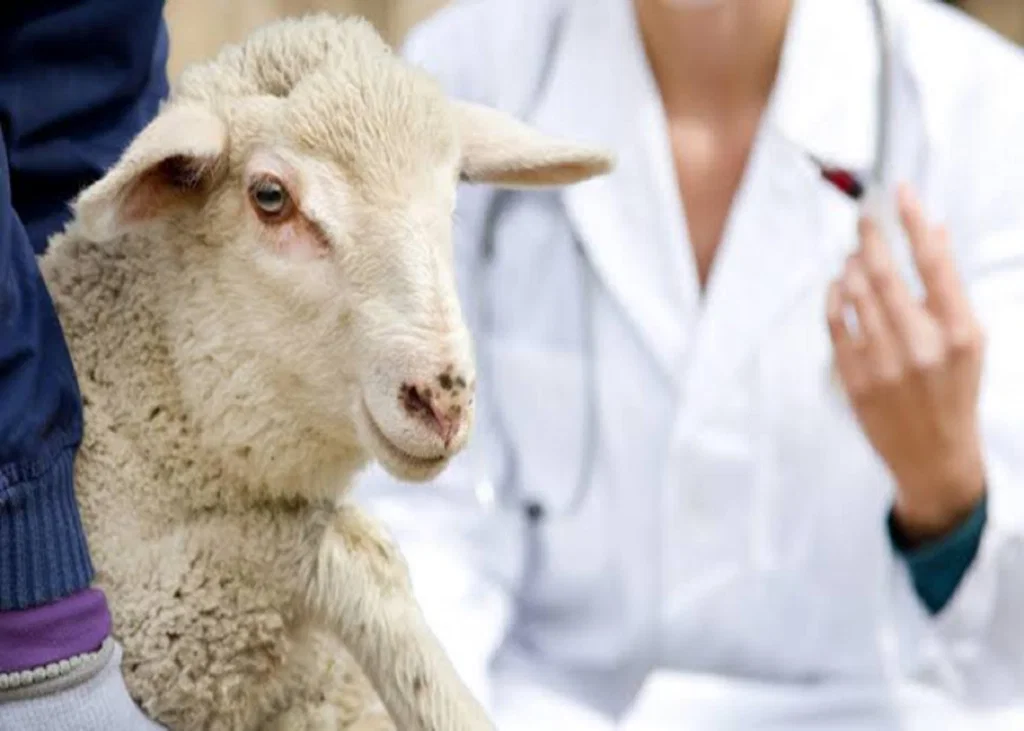
An orf outbreak does not end when the visible lesions begin to heal. Infected animals, contaminated surroundings, and movement of animals between locations can all contribute to continued transmission. For a veterinarian facing an outbreak, the priorities are clear: isolate affected animals, strengthen biosecurity, assess vaccination options and protect people from zoonotic exposure.
Start With Isolation and Movement Control[1]
Direct contact between susceptible and infected animals is a primary route of ORFV transmission. Once cases are identified, affected animals should be separated from the remainder of the flock or herd. New animals should also be confined before being introduced into an established group.
Animal movement deserves particular attention during an outbreak. Introduction of infected animals can facilitate the spread of ORFV into previously unaffected areas, while some sheep and goats without obvious clinical signs may contribute to persistence of infection.
Quarantine should therefore extend beyond visibly affected animals. Farms and other locations with exposed or infected animals should restrict movement until appropriate control measures are in place.
Make the Environment Less Favourable for Transmission[1]
Biosecurity is especially important because ORFV can persist for prolonged periods in dry environments. Parapoxviruses can survive for months under cold, dry conditions, while moisture, extreme temperatures and ultraviolet radiation reduce viral survival.
Sanitation and disinfection should accompany animal isolation. Contaminated surroundings should be cleaned carefully, particularly where infected animals have been housed.
Preventing skin trauma can also reduce opportunities for viral entry. Animals should not be allowed access to scratchy straws, prickly plants or other rough feeds that can injure the lips and muzzle.
Vaccination Requires Careful Planning
There is no specific antiviral therapeutic regimen for orf. Supportive care can help affected animals, while vaccination remains an important control option in areas where the disease is endemic.
Live attenuated vaccines are used in sheep and goats. A live attenuated tissue-culture vaccine was reported to reduce disease severity, and the ORFV D1701 strain is identified as an effective live attenuated vaccine for sheep and goats.
However, vaccination has an important limitation: live vaccine virus can spread and may cause disease. Protection against reinfection may also be limited. Vaccination should therefore be considered alongside isolation, sanitation and movement control rather than as a stand-alone measure.
Particular caution is needed when vaccination is being considered on a farm where an outbreak has previously occurred. Administration of a live virus vaccine in such circumstances may allow vaccine virus to spread into the surrounding area[1].
Protect the People Handling Affected Animals
Orf is zoonotic, and direct contact with lesions can transmit infection to people. Shepherds, veterinarians, farmers' spouses who bottle-feed newborn lambs, slaughterhouse workers, and meat handlers are among those who may be exposed[1].
Protective measures should be routine when handling affected animals or administering vaccines. Impermeable gloves and face masks should be used, followed by thorough hand hygiene. Hands should be washed with warm, soapy water or cleaned with hand sanitiser for 20 seconds after contact with sheep or goats[2].
Carcasses of affected animals should also be handled carefully because transmission to people occurs through direct contact with lesions.
Control the Outbreak at Flock Level[1]
A small number of visible cases should not lead to a narrow, individual-animal approach. ORFV has a broad host range and can affect sheep, goats, and other domestic or wild ruminants. Recurring infections can also occur one to three months after the initial episode.
Where disease has become widespread, vaccination combined with restrictions on animal movement can provide a practical approach to outbreak control. Surveillance and confirmation of infection in animal or human lesions are also important in areas where the virus is endemic.
The objective is not simply to reduce the number of visible lesions. The aim is to interrupt transmission between animals, limit environmental persistence, and prevent infected or exposed animals from carrying the virus into new locations.
Clinical Bottom Line
Orf outbreak management needs a flock-level strategy. Isolate affected animals, quarantine new arrivals, restrict animal movement, maintain sanitation and minimise opportunities for muzzle and oral trauma. Vaccination can form an important part of control in endemic areas, but the risks associated with live vaccine virus need to be considered.
Because orf is zoonotic, outbreak control must also protect veterinarians, farmers, handlers and other people who come into direct contact with affected animals. Gloves, facemasks, and careful hand hygiene are simple but essential measures.
When infection has spread widely, combining vaccination, quarantine, movement restrictions, sanitation and surveillance provides a stronger control strategy than relying on treatment of individual animals alone.
References:
- Bhagawati N, Shankarishan P, Habibi M. Contagious ecthyma in goat and sheep: a review of current status and future perspectives. https://mbimph.com/index.php/UPJOZ/article/view/4982/6394
- Nandi S, De UK, Chowdhury S. Current status of contagious ecthyma or orf disease in goat and sheep—A global perspective. Small ruminant research. 2011 Apr 1;96(2-3):73-82. https://doi.org/10.1016/j.smallrumres.2010.11.018
Related Contents
Article
Sudden Death in Cattle: A Practical Differential Diagnosis
A cow is found dead during the morning inspection. There were no obvious warning signs the previous...
Article
Caudal Vena Cava Thrombosis in Cattle: Recognising a Fatal Complication of Liver Abscessation
A cow may appear completely healthy until sudden respiratory distress, haemoptysis or death occurs....
Article
Sudden Death in Sheep: Key Differential Diagnoses for the Veterinarian
A sheep found dead on pasture may leave little warning. One animal may have been affected by a rapid...
Article
Sudden Death in Goats: Recognising Peracute Infectious and Metabolic Causes
A goat found dead with little or no warning can leave very few clinical clues. In these cases, the p...
Article
Necrotic Enteritis in Broilers: Identifying the Farm-Level Risk Factors
A broiler flock showing wet litter, poor performance or rising mortality may have several problems o...
Article
Necrotic Enteritis in Broilers: Linking Intestinal Lesions with Laboratory Diagnosis
A broiler may arrive for postmortem examination with a distended, fragile small intestine covered by...
Article
Controlling Necrotic Enteritis Without Antibiotic Growth Promoters: What Can Feed-Based Strategies Offer?
When antibiotic growth promoters are no longer the main option for controlling necrotic enteritis (N...
Article
Necrotic Enteritis and Antimicrobial Resistance: Implications for Poultry and Food Safety
When a broiler flock develops necrotic enteritis (NE), antimicrobial treatment may appear to be the...