Article
Psychogenic Polydipsia in Dogs: Recognising Behavioural Triggers and Clinical Indicators
A dog presents with persistent excessive drinking and urination, yet its physical examination reveals few abnormalities. The owner mentions that the dog becomes unusually anxious when left alone, reacts strongly to environmental changes or repeatedly engages in certain behaviours. Could these details be clinically relevant to the increased water intake?
In dogs, psychogenic polydipsia (PPD) is a rare form of primary polydipsia in which behavioural, neurological or environmental changes are associated with compulsive water consumption, resulting in water diuresis and polyuria[1]. Recognising the behavioural context is important because excessive drinking alone does not establish a psychogenic cause.
Behavioural Patterns Associated with PPD[1],[2]
PPD has been documented in nervous or anxious dogs, particularly those with concurrent compulsive or hyperactivity disorders. In some cases, the onset of excessive drinking follows a stressful event, suggesting that environmental circumstances may contribute to the expression of the behaviour.
Compulsive behaviours are excessive, repetitive and goal-oriented activities (Denenberg, 2021a). Water consumption may become part of this behavioural pattern. Once the goal is achieved, dopamine, beta-endorphins and endogenous opioids are released, providing reinforcement that may encourage repetition.
Hyperactivity is another relevant behavioural association. Dogs with hypersensitivity–hyperactivity syndrome (HSHA) may display hyper-reactivity, impulsivity and attention deficits. One reported case suggested HSHA as a possible cause of PPD, with improvement following behavioural therapy and anxiolytic medication. This association warrants consideration but should not be interpreted as evidence that hyperactivity invariably causes excessive drinking.
Stress, Predisposition and Behavioural Triggers[1],[2],[3]
Why do some dogs develop excessive drinking following stressful events while others do not? The diathesis-stress model offers a possible explanation: an underlying predisposition may interact with challenging circumstances to trigger a psychological condition.
In canine PPD, the relative contribution of innate predisposition and environmental stress remains unclear. Nevertheless, psychological stress and behavioural abnormalities are recurring factors in affected animals.
What to Look for During Consultation[1]
A detailed behavioural history can reveal relevant information that may not emerge through routine questioning. Owners may consider certain behaviours normal, tolerable or insufficiently disruptive to mention unless specifically asked.
Explore the history for:
- Anxiety, nervous temperament, or fearfulness.
- Noise phobias, aggressiveness, or compulsive repetitive activities.
- Recent trauma or environmental changes.
- Excessive reactivity, impulsivity, or difficulty settling.
- Onset of increased drinking during or after a stressful event.
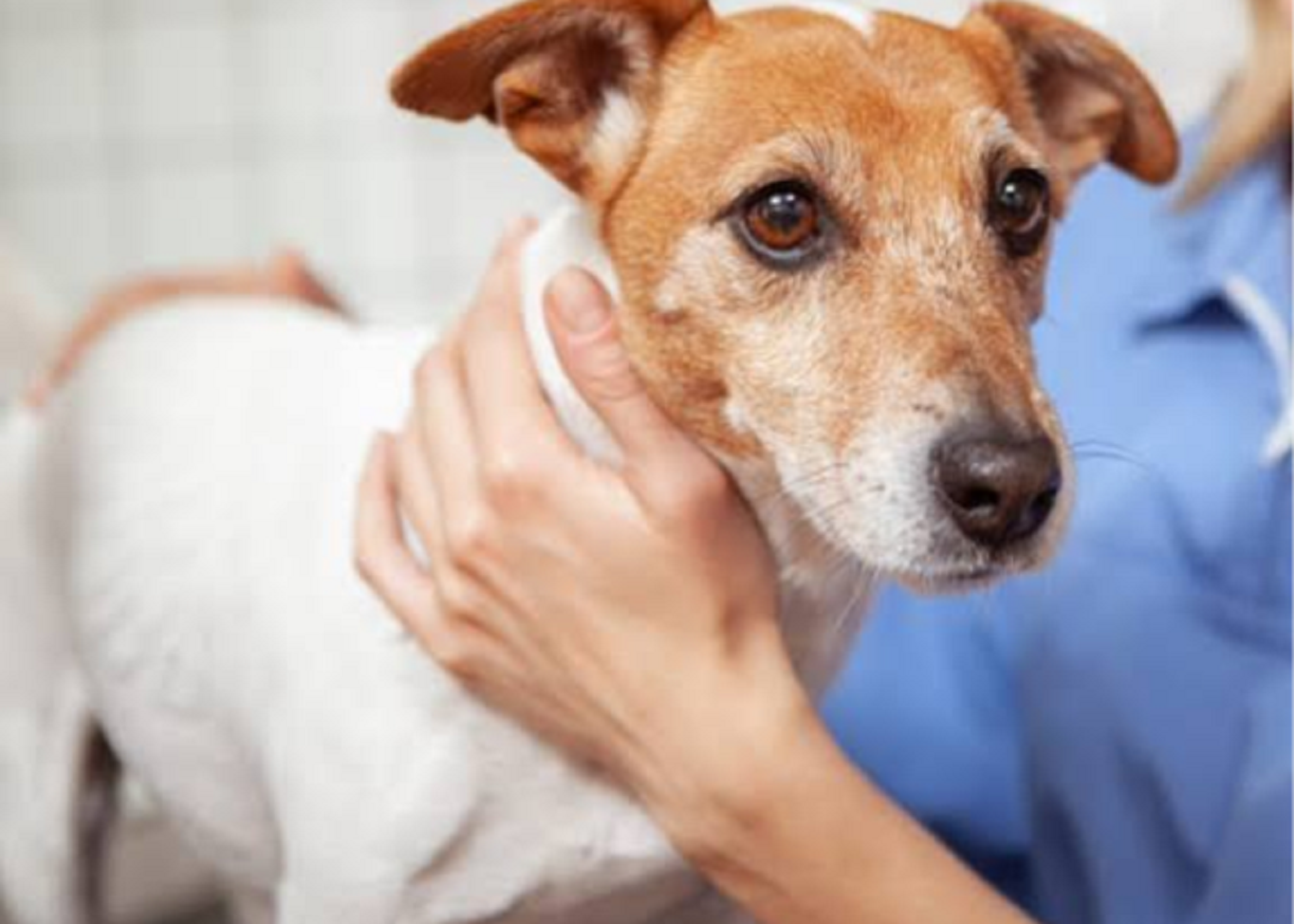
Observe the dog's behaviour during examinations as well. Pacing, lip licking, yawning, vigilance, pinned-back ears, a lowered head and hiding may indicate fear, anxiety, stress or displacement behaviours.
Clinical Bottom Line
Behavioural findings help establish whether primary polydipsia may be psychogenic, but they should not replace the diagnostic assessment of polyuria and polydipsia. A documented behavioural disorder is an essential element in diagnosing PPD; simply excluding other causes of primary polyuria is not sufficient.
For practicing veterinarians, the key is to look beyond the water bowl. A careful behavioural history, attention to stress-related changes and observation during consultation can help identify clues that might otherwise be overlooked.
References:
- Pavlovsky G. Psychogenic polydipsia in dogs–a review of pathogenesis, diagnosis and treatment. Journal of Small Animal Practice. 2026 Jul;67(7):580-9. https://onlinelibrary.wiley.com/doi/pdf/10.1111/jsap.70105
- Marlois N, Beata C. Polyuria and polydipsia associated with hypersensitivity-hyperactivity syndrome (attention deficit hyperactivity disorder) in a dog: a case report of a male French Shepherd dog (Beauceron). InProceedings of the 11th International Veterinary Behaviour Meeting, 14-16th September 2017, Samorin, Slovakia 2017 (pp. 86-91). Wallingford UK: CABI. https://doi.org/10.1079/9781786394583.0086
- Ahmadi ML, Goldman MM. Primary polydipsia: update. Best practice & research Clinical endocrinology & metabolism. 2020 Sep 1;34(5):101469. https://pmc.ncbi.nlm.nih.gov/articles/PMC7683824/pdf/nihms-1640608.pdf
Related Contents
Article
Recognising Leptospirosis Across Animal Species: Clinical Presentations and Organ-Specific Changes
A dog presents with fever and systemic illness, while cattle experience reproductive failure without...
Article
Diagnostic Approach to Canine PU/PD: Differentiating Primary Polydipsia from Primary Polyuria
Persistent excessive drinking and urination can be the presenting signs of several conditions in dog...
.jpg)
Upcoming Event
Culture-Guided Treatment of UTIs in Dogs and Cats
Make informed antibiotic choices in canine and feline UTIs with a culture-guided approach. Explore h...
Article
Managing Psychogenic Polydipsia in Dogs: Water Intake, Behavioural Therapy and Pharmacological Intervention
Once psychogenic polydipsia (PPD) has been identified, management needs to address more than the vol...
Article
Duck Viral Hepatitis in Ducklings: Clinical Recognition and Differential Diagnosis
A sudden rise in mortality among young ducklings, particularly those under three weeks of age, shoul...
Article
Confirming Duck Viral Hepatitis: Choosing and Interpreting Diagnostic Tests
When young ducklings develop sudden mortality and liver lesions suggestive of duck viral hepatitis (...
Article
Duck Viral Hepatitis Vaccination: Managing Maternal Antibody Interference and Field Efficacy
Vaccination is a key strategy for controlling Duck Viral Hepatitis (DVH), particularly in intensive...
Article
Controlling Duck Viral Hepatitis Outbreaks Through Farm Biosecurity and Management
Duck Viral Hepatitis (DVH) can spread rapidly through susceptible duck populations, making preventio...