Article
Duck Viral Hepatitis in Ducklings: Clinical Recognition and Differential Diagnosis
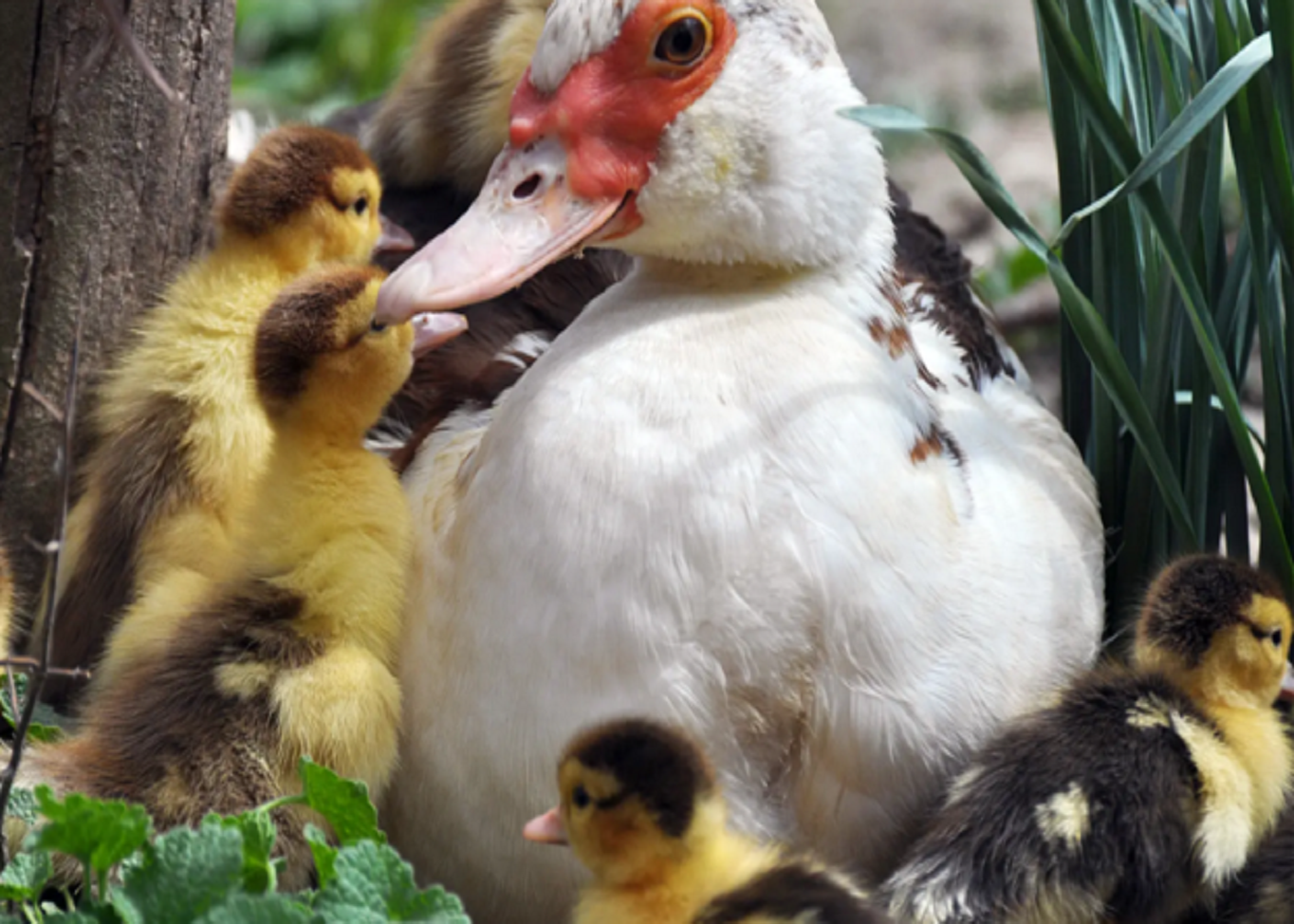
A sudden rise in mortality among young ducklings, particularly those under three weeks of age, should prompt investigation for duck viral hepatitis (DVH). The challenge is that affected birds may die before developing obvious clinical signs, while several infectious and non-infectious conditions can produce similar presentations. Recognising the characteristic age pattern and hepatic lesions can help veterinarians prioritise the differential diagnoses and plan appropriate investigations.
Recognising the Clinical Presentation
DVH typically follows an acute or peracute course. Affected ducklings may appear weak, show reduced activity and develop poor coordination. In some cases, sudden death occurs without previously observed clinical signs. Mortality may occur within 24–72 hours of infection, making early recognition difficult[1],[2].
Age is an important diagnostic clue. Ducks younger than three weeks are particularly susceptible, partly because of their immature immune response and limited maternal antibody protection. Older birds generally develop milder clinical disease as their immune competence increases (Hisham et).
What Do the Liver Lesions Indicate?[2]
The liver is the principal target organ in DVH. Gross examination may reveal diffuse hepatic enlargement and petechial haemorrhages. Histopathological findings include extensive hepatocellular necrosis, ranging from multifocal to coalescing lesions, accompanied by hepatic congestion, degeneration, and disruption of normal lobular architecture.
These findings strengthen clinical suspicion, particularly when accompanied by rapid mortality in young ducklings. However, hepatic involvement alone does not establish DVH. Other conditions can produce hepatic damage or systemic illness and must be considered.
Distinguishing DVH from Other Conditions
The differential diagnosis should include duck plague, duck reovirus, bacterial septicaemia, Riemerella anatipestifer infection, aflatoxicosis and other hepatotoxicoses.
The pattern of lesions helps distinguish these conditions:
- Duck plague: Haemorrhagic and necrotic gastrointestinal lesions, particularly diphtheritic plaques, and lymphoid involvement are more characteristic than isolated severe hepatic necrosis.
- Duck reovirus: Splenomegaly, myocarditis and tenosynovitis may accompany hepatitis and help distinguish it from DVH.
- Bacterial septicaemia: Fibrinous lesions, suppurative inflammation and bacterial culture positivity support bacterial involvement.
- Aflatoxicosis: Fatty liver changes, hepatic degeneration and a history of contaminated feed or toxin exposure may favour a toxic cause.
Clinical Bottom Line
A combination of young age, rapid mortality and extensive hepatic necrosis should raise suspicion of DVH. However, clinical presentation and gross lesions are not sufficient for definitive diagnosis. Integrating flock history, necropsy findings, histopathology and appropriate laboratory investigations helps distinguish DVH from other causes of acute mortality in ducklings.
References:
- Mohamed RI, Mosad SM, Ali HS, Albalawi WO, Elsamadony HA, Ramzy NM, Saad AS, Fallatah D, Abdel-Hafez LJ, Albrakati A, Elmahallawy EK. A comprehensive pathological and molecular investigation of viral co-infections in ducks in Egypt. Frontiers in Microbiology. 2025 May 8;16:1522669. https://www.frontiersin.org/journals/microbiology/articles/10.3389/fmicb.2025.1522669/pdf
- Nuradji H, Khairullah AR, Dharmayanti NL, Wiyono A, Noor SM, Saepulloh M, Adji RS, Ekawasti F, Fauziah I, Prihandani SS, Nurjanah D. Duck hepatitis A virus (DHAV): Pathogenesis, diagnosis, prevention, and control in duck production systems. Open Veterinary Journal. 2026 Sep 1;16(9):5905. https://www.researchgate.net/profile/Sutiastuti-Wahyuwardani-4/publication/413903277
Related Contents
Article
Recognising Leptospirosis Across Animal Species: Clinical Presentations and Organ-Specific Changes
A dog presents with fever and systemic illness, while cattle experience reproductive failure without...
Article
Psychogenic Polydipsia in Dogs: Recognising Behavioural Triggers and Clinical Indicators
A dog presents with persistent excessive drinking and urination, yet its physical examination reveal...

Article
Diagnostic Approach to Canine PU/PD: Differentiating Primary Polydipsia from Primary Polyuria
Persistent excessive drinking and urination can be the presenting signs of several conditions in dog...
.jpg)
Upcoming Event
Culture-Guided Treatment of UTIs in Dogs and Cats
Make informed antibiotic choices in canine and feline UTIs with a culture-guided approach. Explore h...

Article
Managing Psychogenic Polydipsia in Dogs: Water Intake, Behavioural Therapy and Pharmacological Intervention
Once psychogenic polydipsia (PPD) has been identified, management needs to address more than the vol...
Article
Confirming Duck Viral Hepatitis: Choosing and Interpreting Diagnostic Tests
When young ducklings develop sudden mortality and liver lesions suggestive of duck viral hepatitis (...
Article
Duck Viral Hepatitis Vaccination: Managing Maternal Antibody Interference and Field Efficacy
Vaccination is a key strategy for controlling Duck Viral Hepatitis (DVH), particularly in intensive...
Article
Controlling Duck Viral Hepatitis Outbreaks Through Farm Biosecurity and Management
Duck Viral Hepatitis (DVH) can spread rapidly through susceptible duck populations, making preventio...