Article
Reservoir Hosts, Environmental Transmission, and One Health: Applying Epidemiology to Leptospirosis Prevention
Effective prevention of leptospirosis begins with understanding how the disease is maintained and transmitted within animal populations. Unlike many infectious diseases that rely primarily on clinically affected animals for spread, leptospirosis is sustained through complex interactions between reservoir hosts, the environment, and susceptible animal species. For practicing veterinarians, recognizing these epidemiological relationships is essential for identifying infection risks, interpreting surveillance findings, and implementing preventive strategies that extend beyond treating individual cases.
Reservoir Hosts: The Foundation of Disease Persistence
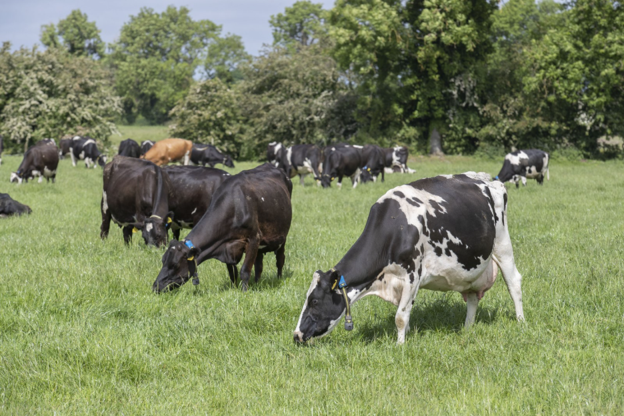
Pathogenic Leptospira species have adapted to numerous mammalian hosts, allowing infection to persist in livestock, companion animals, rodents, and wildlife. Many of these animals become maintenance hosts, carrying leptospires without obvious clinical illness while continuously or intermittently shedding organisms into the environment1,2,3.
This carrier state plays a central role in disease persistence. Animals may harbor leptospires within the kidneys or reproductive tract and continue shedding bacteria through urine long after the initial infection. Consequently, apparently healthy animals should not automatically be considered free from infection, particularly in populations where leptospirosis is endemic.
Host adaptation also influences disease dynamics. Certain Leptospira serovars establish stable relationships with specific animal species, enabling long-term maintenance of infection and facilitating transmission within livestock populations1.
Environmental Transmission Sustains the Infection Cycle1
Environmental contamination is a critical component of leptospirosis epidemiology.
Urine from infected maintenance hosts contaminates soil and water, creating opportunities for exposure of susceptible animals. Because multiple domestic and wild animal species contribute to environmental contamination, transmission often occurs through complex ecological interactions rather than direct animal-to-animal contact alone.
The diversity of reservoir hosts also allows pathogenic leptospires to circulate across different ecosystems. Genetic exchange and adaptation within mammalian hosts and environmental niches may contribute to the emergence of new strains and influence local disease patterns. These changing epidemiological patterns highlight the importance of continuous surveillance rather than relying solely on historical prevalence data.
Species Differences Matter
Understanding the epidemiological role of different animal species helps veterinarians interpret disease risks more accurately.
In livestock, persistent carrier animals are well-recognized sources of infection. Host-adapted serovars may establish chronic renal or reproductive tract infections, allowing prolonged shedding and continued transmission within herds1.
Dogs are susceptible to clinical leptospirosis and play an important role as patients requiring diagnosis and treatment. However, available evidence has not demonstrated that pet dogs represent a major source of human infection, although isolated cases of transmission have been reported1.
Cats present a different epidemiological scenario. Leptospiral DNA has been detected in the kidneys and urine of healthy cats, indicating that subclinical infection and urinary shedding can occur. However, the extent to which cats function as significant maintenance hosts remains uncertain because reported prevalence varies substantially among different populations1.
Applying One Health in Veterinary Practice
Leptospirosis exemplifies the importance of a One Health approach, where collaboration between veterinary, environmental, and public health sectors strengthens disease prevention.
Surveillance programs that identify circulating pathogenic species and serovars contribute to a better understanding of regional disease patterns and support informed prevention strategies1. Sharing surveillance findings between animal and human health sectors can improve recognition of emerging risks and facilitate coordinated disease control efforts.
Veterinarians also play an important role in interpreting surveillance data. Serological surveys provide valuable information regarding exposure within animal populations, but seroprevalence should not be interpreted as a direct measure of active infection because reservoir hosts may continue shedding pathogenic leptospires despite negative serological results1.
Practical Clinical Insights
The epidemiological principles outlined above can be incorporated into routine veterinary practice by:
- Recognizing apparently healthy animals as potential maintenance hosts.
- Considering environmental contamination when investigating disease outbreaks.
- Interpreting serological surveillance results alongside species-specific epidemiology.
- Supporting surveillance programs through appropriate sample submission and isolate characterization.
- Collaborating with public health and diagnostic laboratories to improve understanding of regional transmission patterns.
Conclusion
Preventing leptospirosis requires more than diagnosing individual clinical cases. Understanding reservoir hosts, environmental transmission, and species-specific epidemiology enables veterinarians to identify infection risks and contribute to effective disease prevention. Applying a One Health perspective strengthens surveillance, improves interpretation of epidemiological data, and supports coordinated approaches to reducing leptospiral transmission across animal populations.
References
- Sykes JE, Reagan KL, Nally JE, Galloway RL, Haake DA. Role of diagnostics in epidemiology, management, surveillance, and control of leptospirosis. Pathogens. 2022 Mar 24;11(4):395. https://www.mdpi.com/2076-0817/11/4/395
- Nally JE, Ahmed AA, Putz EJ, Palmquist DE, Goris MG. Comparison of real-time PCR, bacteriologic culture and fluorescent antibody test for the detection of Leptospira borgpetersenii in urine of naturally infected cattle. Veterinary sciences. 2020 May 15;7(2):66. https://www.mdpi.com/2306-7381/7/2/66
- Nally JE, Hornsby RL, Alt DP, Bayles D, Wilson-Welder JH, Palmquist DE, Bauer NE. Isolation and characterization of pathogenic leptospires associated with cattle. Veterinary microbiology. 2018 May 1;218:25-30. https://www.sciencedirect.com/science/article/am/pii/S0378113517313391
Related Contents
Upcoming Event
African Swine Fever: Diagnosis and Management
African swine fever can cause severe disease and significant losses in affected pig populations.&nbs...
.jpg)
Video
Transjugular Removal of Canine Heartworms: A Clinical and Surgical Overview
Transjugular removal of canine heartworms is a specialized intervention used in selected dogs with s...

Article
Feline Pregnancy Endocrinology: Hormonal Changes and Placental Function
Pregnancy in cats involves a distinctive endocrine pattern in which ovarian and placental hormones w...

Article
Hormonal Control of Pregnancy Termination in Cats
Pregnancy maintenance in cats depends strongly on coordinated hormonal support, particularly progest...

Article
Feline Embryo Implantation and Early Placental Development
Pregnancy establishment in cats involves a sequence of precisely timed events between fertilization,...

Article
Ultrasonographic Monitoring of Pregnancy in Cats: A Gestational Timeline
Ultrasonography provides a practical way to follow the progression of feline pregnancy by identifyin...

Article
Feline Mismating: Pregnancy Diagnosis and Clinical Management
Mismating or unplanned mating is a common clinical problem in sexually mature queen cats because of...

Article
Medical Termination of Pregnancy in Queens: Drugs, Timing and Treatment Protocols
Medical termination of pregnancy (MTP) in queen cats should be approached according to the timing of...