Article
Chronic Nasal Disease in Dogs: A Practical Diagnostic Approach
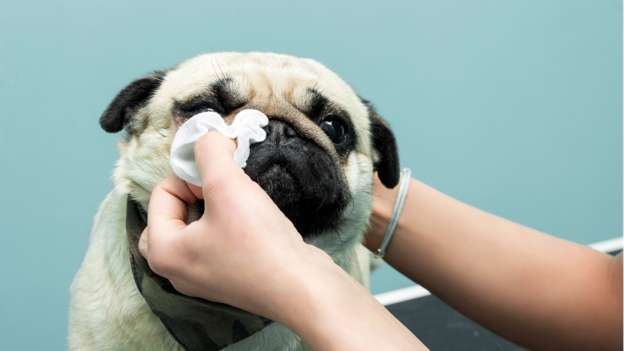
Persistent nasal discharge or sneezing in a dog should prompt consideration of more than uncomplicated rhinitis. Diseases affecting the nasal cavity and paranasal sinuses can produce serous, mucopurulent or hemorrhagic discharge, sneezing, facial deformity, stertor, lethargy, inappetence and weight loss, with central nervous system signs occurring rarely. The history, clinical pattern, breed and age can help prioritize the differential diagnosis.
Start With the Pattern of Nasal Disease
Brachycephalic dogs are particularly predisposed to upper respiratory tract disorders because of stenotic nares, enlarged tonsils, elongated soft palate, everted laryngeal saccules, narrowed rima glottides, laryngeal collapse, and tracheal hypoplasia1,2,3.
Although rhinitis is an inflammatory condition, chronic nasal disease may also result from fungal infection, neoplasia, a retained foreign body, or oral disease1,4. Chronic inflammatory rhinitis is characterized mainly by lymphoplasmacytic infiltration of the nasal mucosa in the absence of an obvious etiological process1,5.
This distinction is clinically important when nasal signs persist or progress despite an initial assumption of inflammatory disease.
Keep Neoplasia in the Differential1
Intranasal tumors account for approximately 1 percent of all canine tumors and occur comparatively more often in dolichocephalic breeds and dogs from urban areas. Squamous cell carcinoma, adenocarcinoma, and undifferentiated carcinoma are common intranasal tumors in dogs.
Age can further influence the differential. About 80 percent of sinonasal tumors occurring in dogs older than 8 years are malignant and carry a poor long-term prognosis.
Therefore, persistent nasal disease in an older dog should not automatically be attributed to chronic inflammation.
Consider Infectious, Fungal, and Allergic Causes
Infectious rhinitis may have bacterial, viral, or mycotic causes. Primary bacterial rhinitis is very rare, while canine viral rhinitis is mainly associated with canine distemper virus and, less commonly, adenovirus, reovirus, herpesvirus, and influenza virus1.
Aspergillus and Penicillium species are described as fungal causes of canine rhinitis, with nasal aspergillosis reported more frequently. Dolichocephalic and mesocephalic breeds are more susceptible, whereas brachycephalic breeds are very rarely affected1.
Allergic rhinitis can produce sneezing, nasal congestion, and serous or mucopurulent discharge. The clinical course may be seasonal, continuous, or intermittent and acute or chronic1.
A reported case involved an adult female German Shepherd with intermittent epistaxis and sneezing for three months. The clinical signs responded to removal of the suspected antigen, antihistaminic therapy, and vitamin C supplementation1. This represents a reported clinical case rather than a basis for assuming that the same response will occur in every dog with similar signs.
Do Not Miss a Foreign Body
An acute onset of nasal signs should raise suspicion of a foreign body. Grass awns, twigs, and other penetrating foreign bodies can enter through the external nares or posterior choanae following gagging or vomiting. Paroxysmal sneezing, head shaking, pawing at the nose, and acute unilateral serous or purulent discharge or epistaxis are characteristic findings1.
Practical Clinical Insight
Nasal radiographs can help assess disease severity, identify areas for biopsy, and prioritize differential diagnoses. Loss of turbinates, increased fluid density, facial bone lysis, radiodense foreign bodies, and radiolucency at tooth-root tips are among the findings assessed. Rhinoscopic visualization and examination of nasal flushings can further contribute to diagnosis.
References
- Kaur J, Singh S. Respiratory diseases and their diagnosis in dogs: A review. Indian Journal of Animal Research. 2022. https://arccjournals.com/journal/indian-journal-of-animal-research/B-4994
- Vilaplana Grosso F, Haar GT, Boroffka SA. Gender, weight, and age effects on prevalence of caudal aberrant nasal turbinates in clinically healthy English bulldogs: A computed tomographic study and classification. Veterinary Radiology & Ultrasound. 2015 Sep;56(5):486-93. https://research-portal.uu.nl/ws/files/18938334/Grosso.pdf
- Regier PJ, Grosso FV, Stone HK, van Santen E. Radiographic tracheal dimensions in brachycephalic breeds before and after surgical treatment for brachycephalic airway syndrome. The Canadian Veterinary Journal. 2020 Sep;61(9):971. https://pmc.ncbi.nlm.nih.gov/articles/PMC7424946/pdf/cvj_09_971.pdf
- Vieson MD, LeRoith T. A review of the pathology and treatment of canine respiratory infections. Veterinary Medicine: Research and Reports. 2012 Jun 26:25-39. https://www.tandfonline.com/doi/pdf/10.2147/VMRR.S25021
- Lobetti R. Idiopathic lymphoplasmacytic rhinitis in 33 dogs. Journal of the South African Veterinary Association. 2014 Jan;85(1):01-5. https://www.scielo.org.za/pdf/jsava/v85n1/23.pdf
- Kaur J, Singh S, Gupta K, Anand A. Diagnosis of canine chronic bronchitis using radiography and tracheal lavage. Indian J. Vet. Med. 2021;41(2):27-33. https://isvm.org.in/backend/web/uploads/Paper5d.pdf
Related Contents
.jpg)
Video
Transjugular Removal of Canine Heartworms: A Clinical and Surgical Overview
Transjugular removal of canine heartworms is a specialized intervention used in selected dogs with s...

Article
Feline Pregnancy Endocrinology: Hormonal Changes and Placental Function
Pregnancy in cats involves a distinctive endocrine pattern in which ovarian and placental hormones w...

Article
Hormonal Control of Pregnancy Termination in Cats
Pregnancy maintenance in cats depends strongly on coordinated hormonal support, particularly progest...

Article
Feline Embryo Implantation and Early Placental Development
Pregnancy establishment in cats involves a sequence of precisely timed events between fertilization,...

Article
Ultrasonographic Monitoring of Pregnancy in Cats: A Gestational Timeline
Ultrasonography provides a practical way to follow the progression of feline pregnancy by identifyin...

Article
Feline Mismating: Pregnancy Diagnosis and Clinical Management
Mismating or unplanned mating is a common clinical problem in sexually mature queen cats because of...

Article
Medical Termination of Pregnancy in Queens: Drugs, Timing and Treatment Protocols
Medical termination of pregnancy (MTP) in queen cats should be approached according to the timing of...
Article
Safety and Aftercare Following Pregnancy Termination in Queen Cats
Pregnancy termination in queen cats requires more than selecting an appropriate abortifacient. Once...