Article
Buffalo Subclinical Mastitis: Which Risk Factors Should Vets Investigate?
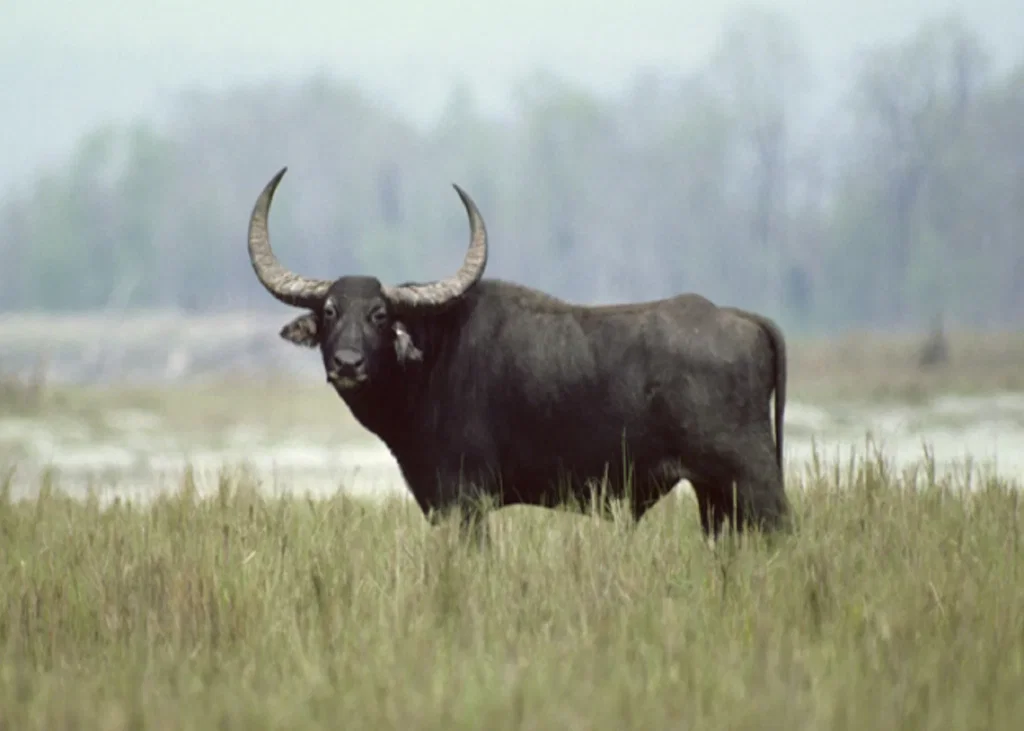
When subclinical mastitis (SCM) keeps appearing in a buffalo herd, looking only at the affected animal may not be enough. The risk can be shaped by the animal’s stage of lactation, udder and teat condition, body reserves, housing environment, and milking practices. Identifying these factors can help veterinarians move from detecting SCM to finding where management needs attention.
Start With the Animal
Age and parity matter. SCM has been reported more frequently in older buffaloes and animals with higher parity, with the third and fourth parities particularly associated with greater occurrence[1],[2].
Breed and production levels may also influence susceptibility. Higher-yielding crossbred buffaloes and Murrah buffaloes have been reported to have greater risk. However, SCC itself can also vary with breed, age, parity, and season, so these factors need to be considered when interpreting herd-level findings[3].
The First Two Months: A Critical Period for SCM
The period immediately around calving deserves particular attention.
The first two months after calving have been identified as a vulnerable period for SCM . Around parturition, changes in teat-canal integrity and pressure around the udder can create opportunities for microorganisms to enter the mammary gland. Udder and teat characteristics have also been associated with infection and increased SCC[4],[5].
Teat injuries add another layer of risk. Physical damage to the teat can compromise its protective function and increase the likelihood of infection[3].
Look Beyond the Udder
Body condition and energy balance should also be part of the assessment.
Changes in body condition and inadequate energy balance have been associated with increased susceptibility to SCM[3],[6]. This makes nutritional status relevant when investigating repeated cases rather than treating udder health as an isolated problem.
The dry period deserves similar attention. An optimal dry period of around eight weeks has been suggested, while an excessively short dry period may increase SCM risk[3].
Then Check the Environment[3]
A buffalo may be carrying the risk factors with her, but the environment can amplify them.
Warm and humid conditions can favour microbial growth, while poor ventilation and contaminated bedding can increase exposure to environmental pathogens.
Bedding deserves particular scrutiny. Its type, cleanliness, moisture, and frequency of replacement can influence the microbial load around the udder.
Finally, Audit the Milking Routine[3]
Milking hygiene can determine whether microorganisms get repeated opportunities to reach the teat.
Hand hygiene, udder preparation, clean utensils and equipment, appropriate teat dipping and proper cleaning of milking machines are important preventive measures.
The milking method itself also matters. Poor technique, including the underhand method, can increase contamination risk.
Clinical Takeaway
When SCM recurs, investigate the whole system: Animal profile, parity, stage of lactation, teat integrity, body condition, dry period, housing, bedding and milking hygiene. Looking for a single cause may miss the combination of factors that allow subclinical infection to persist within the herd.
References:
- Hoque MN, Talukder AK, Saha O, Hasan MM, Sultana M, Rahman AA, Das ZC. Antibiogram and virulence profiling reveals multidrug resistant Staphylococcus aureus as the predominant aetiology of subclinical mastitis in riverine buffaloes. Veterinary Medicine and Science. 2022 Nov;8(6):2631-45. https://onlinelibrary.wiley.com/doi/pdfdirect/10.1002/vms3.942
- Kumari T, Bhakat C, Singh AK. Adoption of management practices by the farmers to control sub-clinical mastitis in dairy cattle. Journal of Entomology and Zoology Studies. 2020;8(2):924-7. https://www.researchgate.net/profile/Amit-Singh-154/publication/340755167
- Chowdhury MS, Rahman MM, Hossain H, Ghosh PK, Islam MR, Lamichhane B, Gomaa FA, Selim HM, Hossain MM, Helmy YA, El Zowalaty ME. Subclinical mastitis of buffaloes in Asia: prevalence, pathogenesis, risk factors, antimicrobial resistance, and current treatment strategies. Journal of Animal Science and Technology. 2026 Jan 31;68(1):18. https://pmc.ncbi.nlm.nih.gov/articles/PMC12923260/
- Sharma N, Singh NK, Bhadwal MS. Relationship of somatic cell count and mastitis: An overview. Asian-Australasian journal of animal sciences. 2011 Feb 22;24(3):429-38. https://www.animbiosci.org/upload/pdf/24-52.pdf
- Bharti P, Bhakat C, Pankaj PK, Bhat SA, Prakash MA, Thul MR, Japheth KP. Relationship of udder and teat conformation with intra-mammary infection in crossbred cows under hot-humid climate. Veterinary world. 2015 Jul 23;8(7):898. https://pmc.ncbi.nlm.nih.gov/articles/PMC4774684/pdf/VetWorld-8-898.pdf
- Soulat J, Knapp E, Moula N, Hornick JL, Purnelle C, Dufrasne I. Effect of dry-period diet on the performance and metabolism of dairy cows in early lactation. Animals. 2020 May 6;10(5):803. https://www.mdpi.com/2076-2615/10/5/803
Related Contents
Article
FGF-23 in Feline CKD: An Early Signal of Phosphate Dysregulation
A cat with early chronic kidney disease (CKD) may have a normal serum phosphate concentration. Does...

Article
Albuminuria or Transferrinuria? Reading the Glomerular Signal in Feline CKD
A cat can have chronic kidney disease (CKD) with only mild proteinuria. So, when urinary protein is...
Article
Tubular Injury Biomarkers in Feline CKD: What Can NGAL, KIM-1 and L-FABP Tell You?
When feline CKD is already suspected, identifying reduced renal function is only part of the clinica...
Article
Can Renal Fibrosis Biomarkers Reveal CKD Progression in Cats?
Chronic kidney disease in cats is not only a problem of declining renal function. Structural changes...
Article
When Creatinine May Not Tell the Full Story in Feline Acute Kidney Injury
Serum creatinine is routinely used with changes in urine output to diagnose and grade Acute Kidney I...

Article
When a Normal-Looking Udder Hides Mastitis: Recognising Subclinical Mastitis in Buffaloes
A buffalo can appear clinically normal while mastitis is already affecting the udder and milk produc...
Article
Diagnosing Subclinical Mastitis in Buffaloes: From SCC and CMT to Molecular Tests
Subclinical mastitis (SCM) can remain hidden because the buffalo may show no obvious udder or milk a...

Article
Chronic Cough in Dogs and Cats: How to Classify and Localize It
A dog has been coughing for several weeks. The owner describes it as “honking,” but the...