Video
Bugs, Drugs and Diagnostics: Why Veterinary Microbiology rules your Clinic
Veterinary microbiology plays a crucial role in diagnosing infectious diseases, guiding treatment decisions, and supporting antimicrobial stewardship in clinical practice. This webinar explores the practical relevance of microbiology in veterinary clinics, highlighting how accurate pathogen identification and appropriate diagnostic testing contribute to better patient outcomes. Participants will learn about common bacterial, viral, fungal, and parasitic infections, interpretation of laboratory reports, sample collection techniques, and evidence-based antimicrobial use. The session also discusses emerging challenges such as antimicrobial resistance and the importance of integrating diagnostics into routine case management. Designed for veterinary students, interns, postgraduate learners, and practicing veterinarians, this webinar provides clinically relevant insights into making microbiology a valuable tool in everyday veterinary medicine.
Download the attached recent research paper to explore how veterinary microbiology and diagnostics improve clinical decision-making and antimicrobial stewardship in practice.
https://www.researchgate.net/publication/390171371
Related Contents
Article
Fasciolosis in Sheep: Recognising Clinical Presentations and Disease Progression
A sheep presenting with progressive weight loss, pale mucous membranes and submandibular oedema may...
Article
Diagnosing Fasciolosis in Sheep: Selecting Appropriate Tests at Different Infection Stages
A negative faecal examination does not necessarily rule out fasciolosis in sheep. During early infec...
Article
Flukicide Treatment and Resistance in Sheep: Assessing Drug Efficacy and Managing Treatment Failure
Repeated flukicide treatment does not necessarily translate into effective liver fluke control. Shee...
Article
Pasture Management for Fasciolosis in Sheep: Identifying High-Risk Grazing Areas and Seasonal Exposure
Wet pastures, standing water and poorly managed grazing areas can create favourable conditions for l...
Article
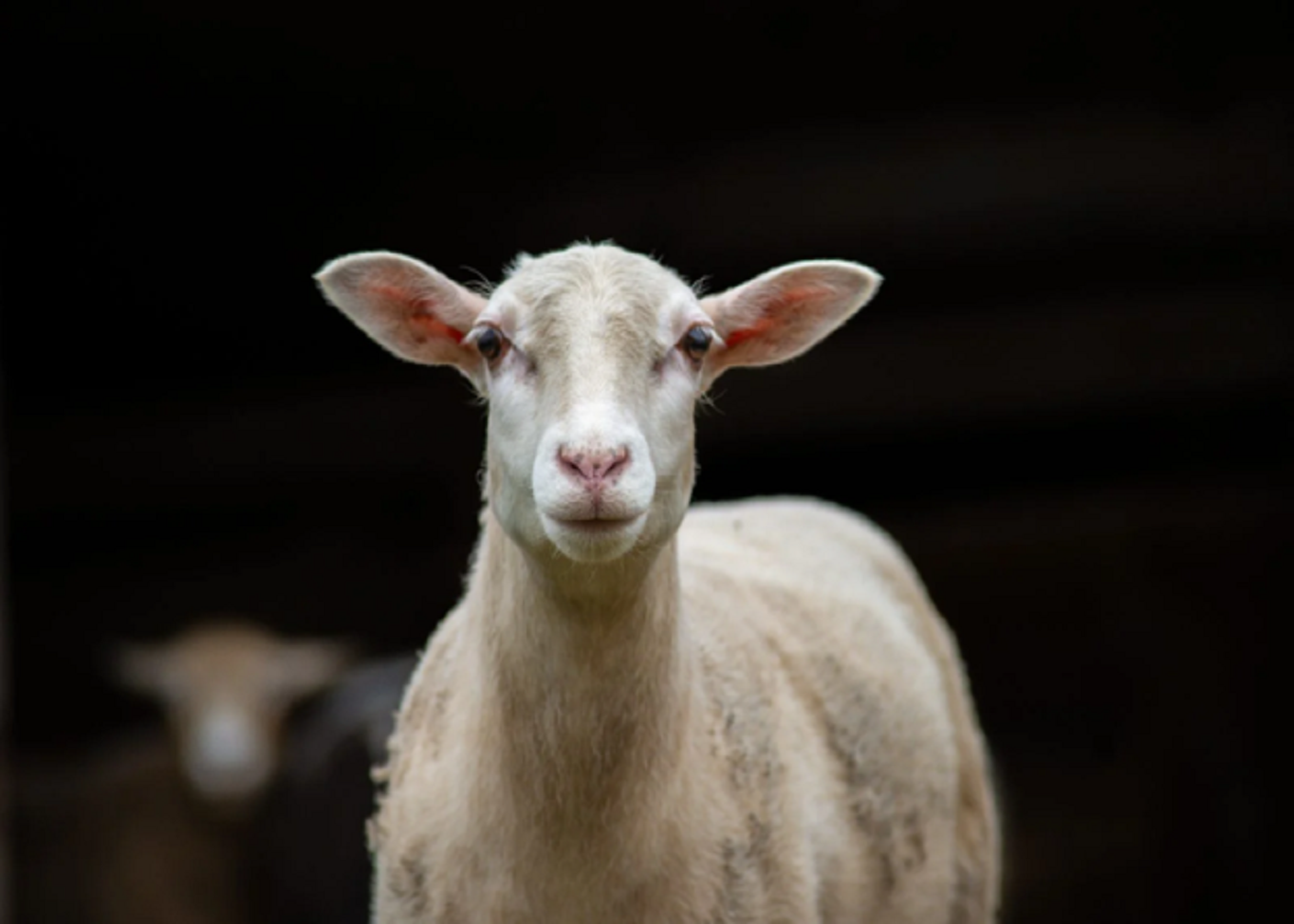
Fasciolosis in Sheep: How Liver Damage Affects Productivity and Reproductive Performance
A sheep flock may experience declining productivity even when only a few animals show obvious signs...
Upcoming Event
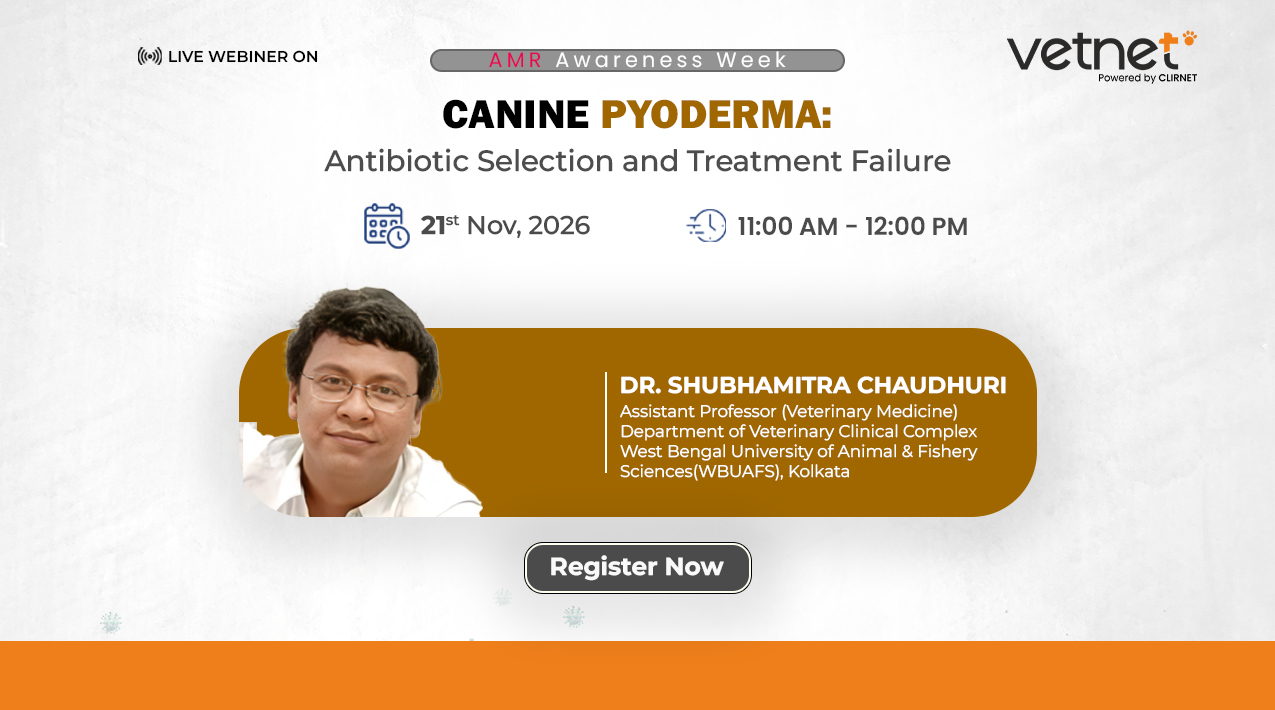
Canine Pyoderma: Antibiotic Selection and Treatment Failure
Strengthen your approach to canine pyoderma with informed antibiotic selection and appropriate diagn...

Upcoming Event
Canine Pyoderma: Antibiotic Selection and Treatment Failure
Explore antibiotic selection, treatment challenges and approaches to managing canine pyoderma cases...
Article
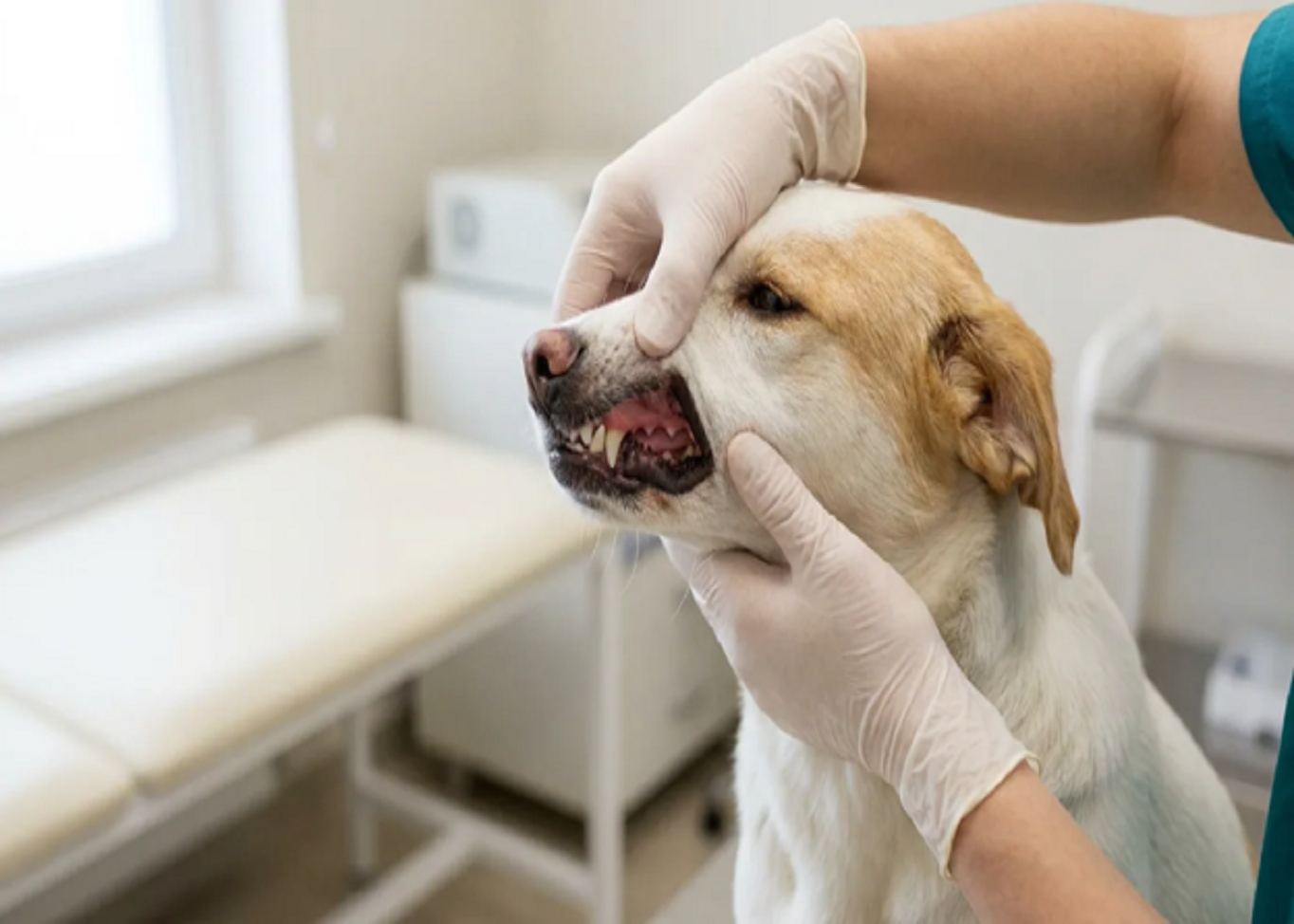
Recognising Leptospirosis Across Animal Species: Clinical Presentations and Organ-Specific Changes
A dog presents with fever and systemic illness, while cattle experience reproductive failure without...