Article
Why Do Dogs with Atopic Dermatitis Keep Relapsing? Understanding the Hidden Triggers
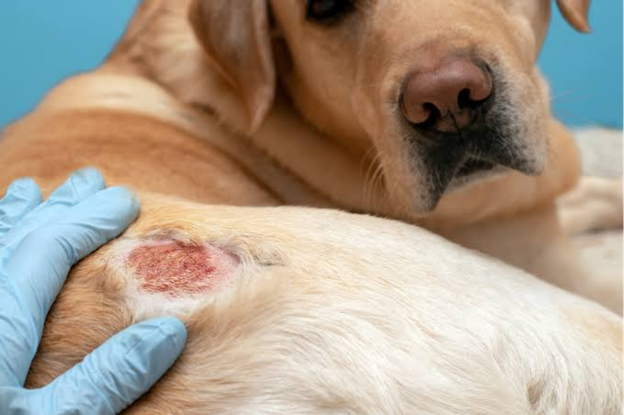
A dog with canine atopic dermatitis (CAD) completes treatment; the pruritus subsides, and the skin begins to heal. A few weeks later, however, the same patient is back with inflamed ears, erythematous paws, or another episode of intense scratching. For many veterinarians, this cycle is all too familiar.
The problem is that treating a flare is not the same as controlling the disease. While modern therapies effectively suppress pruritus and inflammation, they do not eliminate the underlying factors that predispose dogs to recurrent episodes. Understanding why relapses occur is the first step towards preventing them1.
CAD Is More Than an Allergy
Canine atopic dermatitis is a chronic, genetically predisposed inflammatory skin disease characterised by an exaggerated immune response to environmental allergens1. Once the inflammatory process is established, the disease becomes self-perpetuating, with multiple factors interacting to sustain skin inflammation even after the initial trigger has been controlled.
This explains why many dogs experience repeated flare-ups despite receiving appropriate treatment. The underlying disease process continues long after the visible lesions have improved.
A Damaged Skin Barrier Opens the Door
Healthy skin acts as a protective barrier, preventing allergens, irritants and microorganisms from penetrating the epidermis. In dogs with CAD, this barrier is compromised1,2.
The damaged barrier allows allergens to penetrate more easily, triggering immune activation and increasing transepidermal water loss. At the same time, alterations in the skin microbiome favour the overgrowth of opportunistic organisms, further amplifying inflammation2.
Every flare-up can worsen barrier damage, creating a vicious cycle in which inflammation weakens the skin, and the weakened skin promotes more inflammation.
Secondary Infections Fuel the Next Flare
Many relapses are not caused by allergens alone.
Secondary bacterial pyoderma and Malassezia dermatitis frequently develop because inflamed skin provides an ideal environment for microbial overgrowth. Even mild increases in bacterial or yeast populations can significantly worsen pruritus and erythema1.
Similarly, recurrent otitis externa often accompanies CAD and may be the first indication that disease control is beginning to fail.
Routine skin and ear cytology therefore plays a crucial role in identifying infections early before they trigger a full clinical relapse.
Environmental Triggers Never Truly Disappear
Unlike infectious diseases, atopic dermatitis has no permanent cure because exposure to allergens is continuous.
Common triggers include:
- House dust mites
- Pollens
- Mould spores
- Flea allergy dermatitis
- Environmental irritants
- Seasonal changes
Although complete avoidance is rarely possible, recognising seasonal patterns and environmental risk factors enables veterinarians to anticipate periods of increased disease activity and adjust management accordingly1.
Nutrition Influences More Than Skin Health
Nutrition is increasingly recognised as an important contributor to disease stability.
Clinical evidence shows that diets enriched with omega-3 fatty acids (EPA and DHA), antioxidants and polyphenols significantly improve skin lesion severity and reduce owner-assessed pruritus when used alongside conventional therapy.² These nutrients help regulate inflammatory pathways, reduce oxidative stress and support epidermal repair.
Emerging research also suggests that dogs with CAD may develop functional deficiencies of iron, zinc and certain vitamins, despite consuming nutritionally complete diets.³ Chronic inflammation can impair the body's ability to absorb and utilise these micronutrients through a process known as the mucosal block, in which nutrients are diverted away from normal physiological functions as part of the inflammatory response3.
Iron deficiency, in particular, may further stimulate immune activation and perpetuate chronic inflammation, creating another cycle that favours recurrent disease3.
Rather than viewing nutrition solely as supportive care, it should be considered an integral component of long-term disease management.
Owner Compliance Is Often the Missing Piece
Even the most effective treatment plan can fail without consistent implementation.
Missed medications, irregular bathing schedules, inconsistent parasite control, or delayed re-evaluation of worsening clinical signs all increase the likelihood of relapse. Clear communication and realistic expectations are therefore just as important as selecting the appropriate therapeutic protocol.
Helping owners understand that CAD is a lifelong condition requiring ongoing management often improves compliance and ultimately leads to better clinical outcomes.
The Clinical Take-Home
Relapses in canine atopic dermatitis rarely occur because a single medication has failed. More often, they result from the continued interaction between skin barrier dysfunction, persistent allergen exposure, microbial overgrowth, chronic inflammation, nutritional imbalances and inconsistent long-term management.
Recognising these hidden drivers shifts the focus from repeatedly treating flare-ups to identifying and addressing the factors that sustain disease activity. This proactive approach forms the foundation of successful long-term management and paves the way for strategies that can reduce the frequency and severity of future relapses.
References (Vancouver)
- Outerbridge CA, Jordan TJM. Current knowledge on canine atopic dermatitis: Pathogenesis and treatment. Adv Small Anim Care. 2021;2:101-115. doi:10.1016/j.yasa.2021.07.004. Available from: https://pmc.ncbi.nlm.nih.gov/articles/PMC9204668/
- Santoro D, Saridomichelakis M, Eisenschenk M, Tamamoto‐Mochizuki C, Hensel P, Pucheu‐Haston C, International Committee on Allergic Diseases of Animals (ICADA), Banovic F, Bensignor E, DeBoer D, Griffin G. Update on the skin barrier, cutaneous microbiome and host defence peptides in canine atopic dermatitis. Veterinary Dermatology. 2024 Feb;35(1):5-14. https://doi.org/10.1111/vde.13215?
urlappend=%3Futm_source%3Dresearchgate.net%26utm_medium%3Darticle
- Frizzo-Ramos C, Doulidis PG, Burgener IA, Horvath Ungerböck C, Einspieler V, Weiser U, Panakova L, Roth-Walter F. Lymph food to improve canine atopic dermatitis: A randomized, double-blinded, controlled trial in dogs with standard-care treatment. Front Vet Sci. 2025;12:1657869. doi:10.3389/fvets.2025.1657869. Available from: https://www.frontiersin.org/articles/10.3389/fvets.2025.1657869/full
Related Contents
.jpg)
Video
Transjugular Removal of Canine Heartworms: A Clinical and Surgical Overview
Transjugular removal of canine heartworms is a specialized intervention used in selected dogs with s...

Article
Feline Pregnancy Endocrinology: Hormonal Changes and Placental Function
Pregnancy in cats involves a distinctive endocrine pattern in which ovarian and placental hormones w...

Article
Hormonal Control of Pregnancy Termination in Cats
Pregnancy maintenance in cats depends strongly on coordinated hormonal support, particularly progest...

Article
Feline Embryo Implantation and Early Placental Development
Pregnancy establishment in cats involves a sequence of precisely timed events between fertilization,...

Article
Ultrasonographic Monitoring of Pregnancy in Cats: A Gestational Timeline
Ultrasonography provides a practical way to follow the progression of feline pregnancy by identifyin...

Article
Feline Mismating: Pregnancy Diagnosis and Clinical Management
Mismating or unplanned mating is a common clinical problem in sexually mature queen cats because of...

Article
Medical Termination of Pregnancy in Queens: Drugs, Timing and Treatment Protocols
Medical termination of pregnancy (MTP) in queen cats should be approached according to the timing of...

Article
Safety and Aftercare Following Pregnancy Termination in Queen Cats
Pregnancy termination in queen cats requires more than selecting an appropriate abortifacient. Once...