Article
Canine Pyoderma: Antibiotic Selection and Treatment Failure
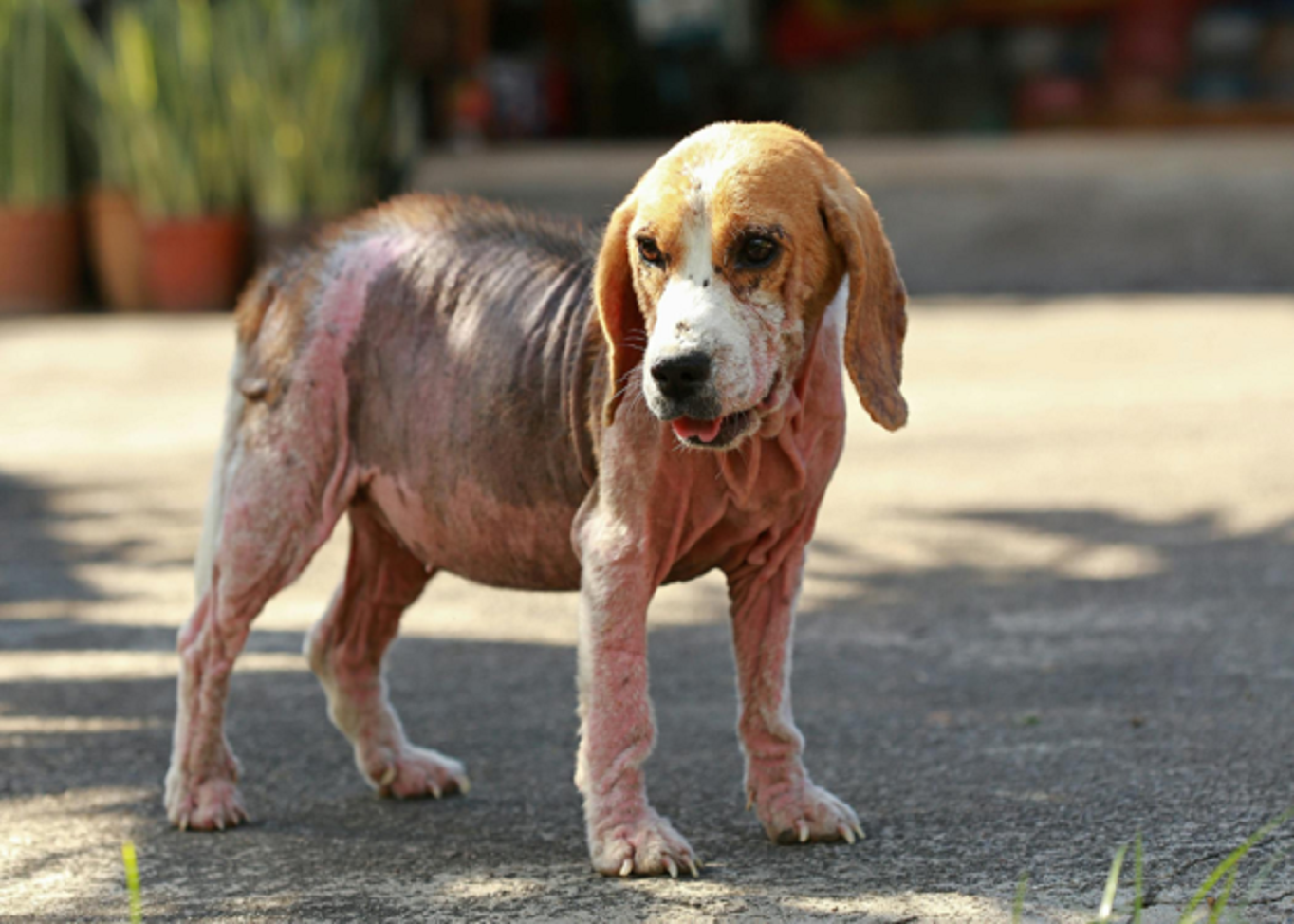
A dog continues to develop pustules despite receiving antimicrobial treatment. Should the veterinarian change the antibiotic immediately, or investigate why the infection is persisting? In canine pyoderma, treatment failure may reflect antimicrobial resistance, an inappropriate drug choice, inadequate sampling or an unresolved underlying condition. A structured diagnostic approach is therefore essential for effective treatment and responsible antimicrobial use.
Choosing Antimicrobials Based on Diagnostic Findings[1],[2]
Staphylococcus pseudintermedius is identified in more than 90% of canine pyoderma cases, making it the predominant bacterial pathogen. However, deep infections may involve streptococci, Gram-negative bacteria and anaerobes, highlighting the limitations of relying exclusively on empirical antimicrobial selection.
Cytology should be performed in every suspected case to confirm bacterial involvement before initiating treatment. Intracellular bacteria, extracellular bacteria with nuclear streaming, or large numbers of bacteria in lesional skin support a diagnosis of pyoderma.
This step also helps distinguish bacterial infections from conditions with similar clinical presentations, including pemphigus foliaceus and atopic dermatitis.
When is Culture and Susceptibility Testing Necessary?[3]
Bacterial culture and antimicrobial susceptibility testing (BC/AST) are preferred whenever systemic antimicrobial therapy is planned. They are particularly important when resistance is suspected.
Testing is strongly recommended in dogs with recurrent infections, previous meticillin-resistant staphylococcal infection, or more than one course of systemic antimicrobials within the preceding six months. New lesions during treatment or failure to improve after 5–7 days of appropriately dosed systemic therapy with good compliance also warrant investigation.
Rod bacteria or polymicrobial findings on cytology are additional reasons to pursue testing.
Interpreting Culture Results Correctly[3]
A positive culture does not automatically mean that every isolated organism requires antimicrobial treatment. Healthy canine skin commonly carries bacteria, including S. pseudintermedius, as part of its normal microbiota.
Culture findings must therefore be interpreted alongside cytology. When multiple bacterial isolates are reported, treatment should generally target the predominant pathogen rather than the combined susceptibility profile of every isolate. This helps avoid unnecessary broad-spectrum antimicrobial use.
Accurate identification of meticillin-resistant organisms, including MRSP, MRSA and MRSC, is also important because their epidemiology and infection-control implications differ.
Investigating Persistent and Recurrent Infections[3]
When treatment fails, veterinarians should reassess the antimicrobial choice, sampling technique and underlying cause.
Deep pyoderma requires particular attention because surface swabs may not identify organisms present in deeper tissues. Tissue biopsy or fine-needle aspiration may provide more representative samples.
Equally important is identifying the primary condition. Atopic dermatitis, ectoparasitic infestations, endocrine disorders and cornification abnormalities can predispose dogs to recurrent infections. Treating the bacterial component without addressing these conditions may not prevent recurrence.
Clinical Bottom Line
Effective management of canine pyoderma requires diagnostic confirmation, appropriate culture-guided antimicrobial selection and investigation of underlying disease. When treatment fails, reassessing these factors is more appropriate than repeatedly changing antibiotics without establishing the reason for persistent infection.
References:
- Morris DO, Loeffler A, Davis MF, Guardabassi L, Weese JS. Recommendations for approaches to meticillin‐resistant staphylococcal infections of small animals: diagnosis, therapeutic considerations and preventative measures. Clinical Consensus Guidelines of the World Association for Veterinary Dermatology. Veterinary dermatology. 2017 Jun;28(3):304-e69. https://onlinelibrary.wiley.com/doi/pdf/10.1111/vde.12444
- Lynch SA, Helbig KJ. The complex diseases of Staphylococcus pseudintermedius in canines: where to next?. Veterinary sciences. 2021 Jan 18;8(1):11. https://www.mdpi.com/2306-7381/8/1/11
- Loeffler A, Cain CL, Ferrer L, Nishifuji K, Varjonen K, Papich MG, Guardabassi L, Frosini SM, Barker EN, Weese JS. Antimicrobial use guidelines for canine pyoderma by the International Society for Companion Animal Infectious Diseases (ISCAID). Veterinary dermatology. 2025 Jun;36(3):234-82. https://onlinelibrary.wiley.com/doi/pdf/10.1111/vde.13342
Related Contents
Article
Recognising Leptospirosis Across Animal Species: Clinical Presentations and Organ-Specific Changes
A dog presents with fever and systemic illness, while cattle experience reproductive failure without...
Article
Psychogenic Polydipsia in Dogs: Recognising Behavioural Triggers and Clinical Indicators
A dog presents with persistent excessive drinking and urination, yet its physical examination reveal...

Article
Diagnostic Approach to Canine PU/PD: Differentiating Primary Polydipsia from Primary Polyuria
Persistent excessive drinking and urination can be the presenting signs of several conditions in dog...
.jpg)
Upcoming Event
Culture-Guided Treatment of UTIs in Dogs and Cats
Make informed antibiotic choices in canine and feline UTIs with a culture-guided approach. Explore h...
Article
Managing Psychogenic Polydipsia in Dogs: Water Intake, Behavioural Therapy and Pharmacological Intervention
Once psychogenic polydipsia (PPD) has been identified, management needs to address more than the vol...
Article
Duck Viral Hepatitis in Ducklings: Clinical Recognition and Differential Diagnosis
A sudden rise in mortality among young ducklings, particularly those under three weeks of age, shoul...
Article
Confirming Duck Viral Hepatitis: Choosing and Interpreting Diagnostic Tests
When young ducklings develop sudden mortality and liver lesions suggestive of duck viral hepatitis (...
Article
Duck Viral Hepatitis Vaccination: Managing Maternal Antibody Interference and Field Efficacy
Vaccination is a key strategy for controlling Duck Viral Hepatitis (DVH), particularly in intensive...