Article
Injectable OA Treatments in Indian Practice - What Works, What’s Available
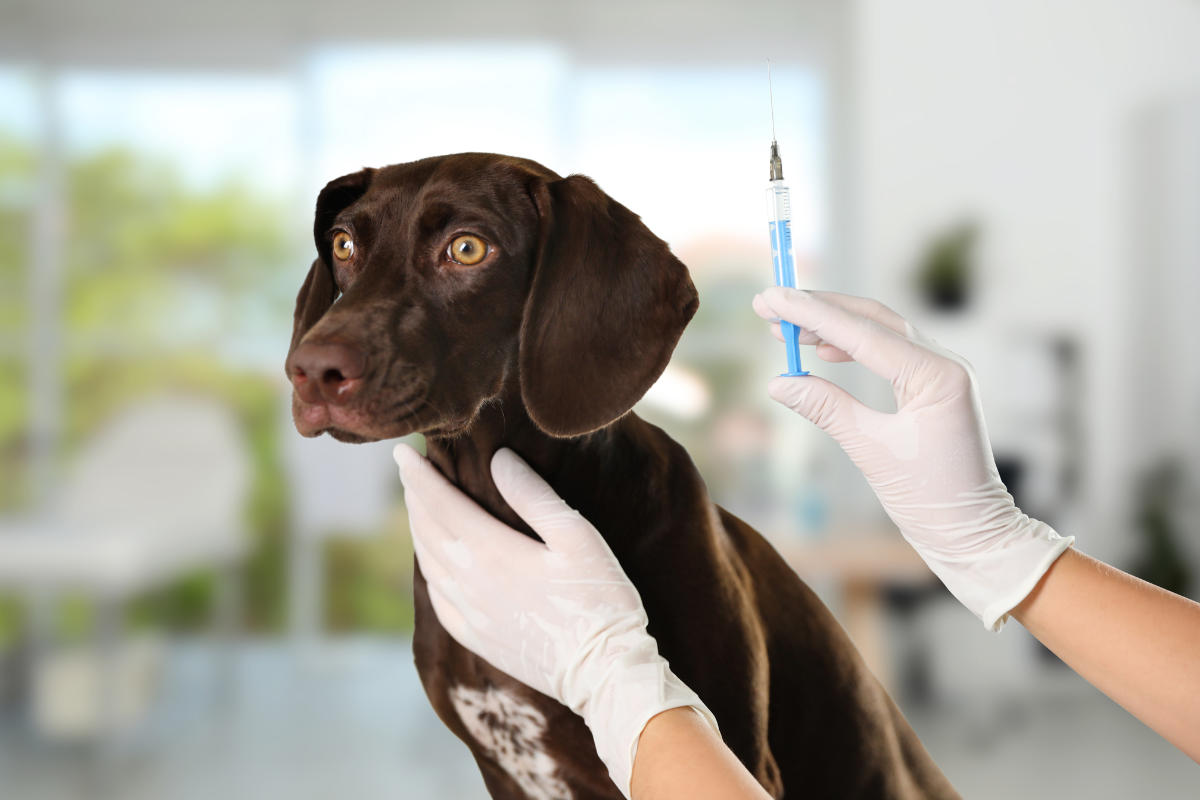
Injectable options for managing canine osteoarthritis (OA) have gained traction in India as veterinarians move toward multimodal and client-friendly protocols. These include anti- inflammatory agents, disease-modifying osteoarthritis drugs (DMOADs), and monoclonal antibodies each targeting different mechanisms of pain and cartilage degradation.
One of the most advanced injectable therapies is bedinvetmab, a monoclonal antibody that inhibits nerve growth factor (NGF) - a critical mediator of chronic pain. In a randomized, placebo-controlled study, bedinvetmab showed statistically significant improvements in mobility and quality of life in dogs with OA (Innes et al., 2025). Administered monthly as a subcutaneous injection, it is particularly suitable for dogs with renal disease or NSAID intolerance. Though it has become available in India, pricing may limit widespread adoption.
Non-steroidal anti-inflammatory drugs (NSAIDs) such as meloxicam , firocoxib , and carprofen remain the first-line injectable and oral treatment in most Indian practices. While effective in reducing inflammation and pain, they require renal and hepatic monitoring, especially in geriatric patients.
Veterinarians also use pentosan polysulfate sodium, a DMOAD that enhances cartilage resilience and inhibits matrix metalloproteinases. Though off-label in India, anecdotal evidence and studies in Australia suggest it can be effective in slowing OA progression and improving joint function (Read et al., 1996).
Adjuncts such as glucosamine sulfate , chondroitin sulfate , and MSM (methylsulfonylmethane) are commonly prescribed, though evidence for injectable efficacy remains limited. Combining these with omega-3 fatty acids or physical rehabilitation may enhance outcomes.
Selection should be guided by clinical stage, client budget, and patient comorbidities. Injectable therapies provide an effective option when compliance with daily medication is difficult or when oral treatments are contraindicated.
References:
- Innes et al. (2025). https://www.frontiersin.org/journals/veterinary- science/articles/10.3389/fvets.2025.1502218/full
- Read et al. (1996). https://pubmed.ncbi.nlm.nih.gov/8683953
- Sanderson RO et al. (2009). https://pubmed.ncbi.nlm.nih.gov/19346540
Related Contents
.jpg)
Video
Transjugular Removal of Canine Heartworms: A Clinical and Surgical Overview
Transjugular removal of canine heartworms is a specialized intervention used in selected dogs with s...

Article
Feline Pregnancy Endocrinology: Hormonal Changes and Placental Function
Pregnancy in cats involves a distinctive endocrine pattern in which ovarian and placental hormones w...

Article
Hormonal Control of Pregnancy Termination in Cats
Pregnancy maintenance in cats depends strongly on coordinated hormonal support, particularly progest...

Article
Feline Embryo Implantation and Early Placental Development
Pregnancy establishment in cats involves a sequence of precisely timed events between fertilization,...

Article
Ultrasonographic Monitoring of Pregnancy in Cats: A Gestational Timeline
Ultrasonography provides a practical way to follow the progression of feline pregnancy by identifyin...

Article
Feline Mismating: Pregnancy Diagnosis and Clinical Management
Mismating or unplanned mating is a common clinical problem in sexually mature queen cats because of...

Article
Medical Termination of Pregnancy in Queens: Drugs, Timing and Treatment Protocols
Medical termination of pregnancy (MTP) in queen cats should be approached according to the timing of...

Article
Safety and Aftercare Following Pregnancy Termination in Queen Cats
Pregnancy termination in queen cats requires more than selecting an appropriate abortifacient. Once...