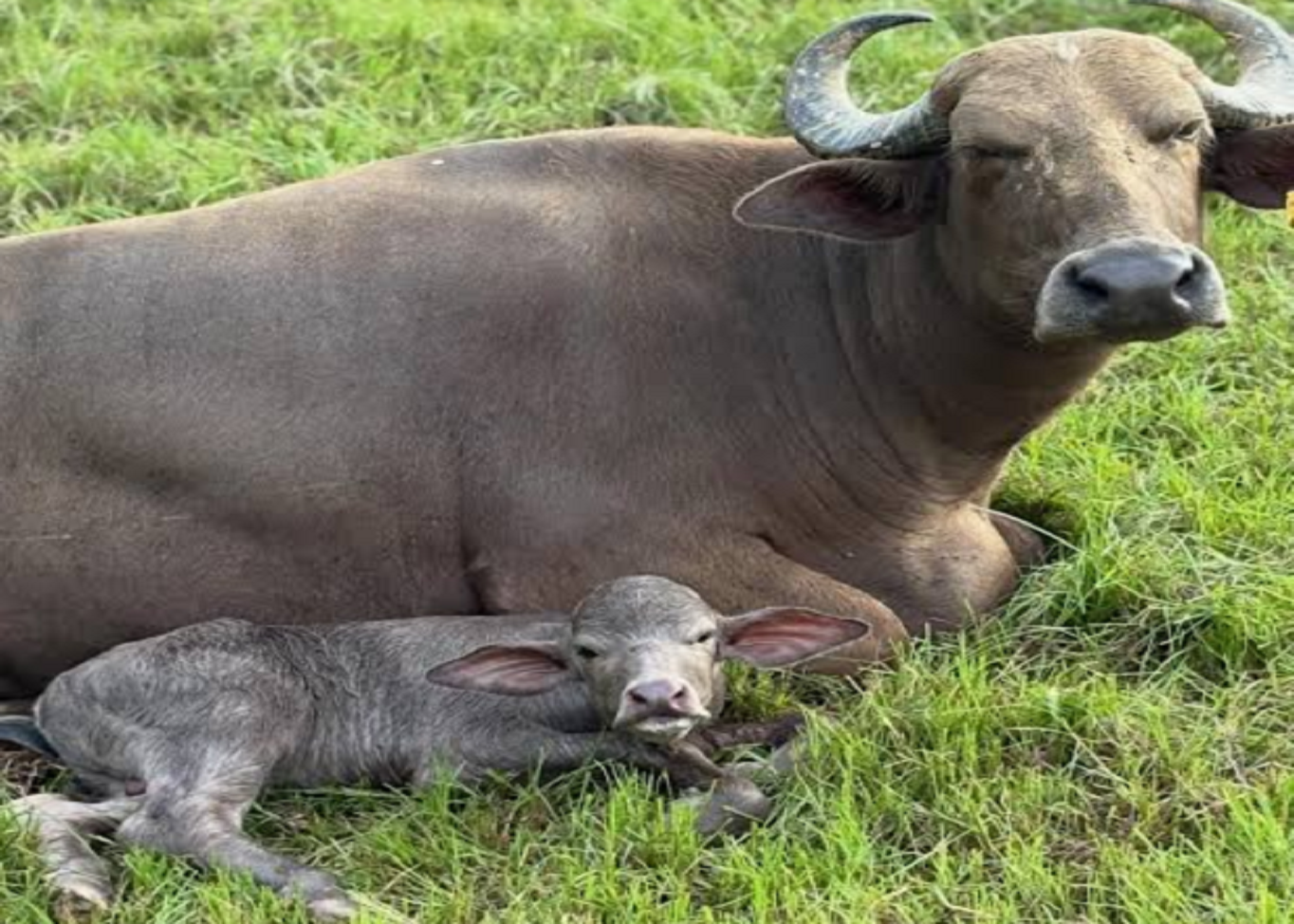
Article
Recognising Urinary Bladder Rupture in Buffalo Calves with Obstructive Urolithiasis
A buffalo calf presenting with abdominal distension, anorexia and repeated attempts to urinate may have more than uncomplicated urinary obstruction. When urethral calculi prevent urine outflow, continued urinary retention can lead to bladder rupture and uroperitoneum. Recognising this progression early is essential for timely surgical intervention.
Obstructive urolithiasis is particularly relevant in young, non-castrated male buffalo calves. Their long, narrow and tortuous urethra increases susceptibility to calculus lodgement, with the distal part of the sigmoid flexure being a common site of obstruction[1].
Clinical Signs: Recognising Bladder Rupture
The clinical presentation changes as the condition progresses. In calves with an intact urinary bladder, common findings include:
- Frequent attempts to urinate with little or no urine output
- Abdominal pain and colic
- Anorexia and teeth grinding
- Penile twitching and urethral pulsation
- Rectal prolapse in some cases
However, bladder rupture can alter this presentation. Relief of abdominal pain may create a misleading impression of improvement, even though the condition has progressed.
Other findings that raise suspicion of bladder rupture include:
- Pear-shaped abdominal distension
- Sunken eyes and dehydration
- Dullness and rough hair coat
- Dry preputial orifice
- Abdominal fluid movement on ballottement
- Uremic breath
These findings reflect urine accumulation within the abdominal cavity and the development of systemic consequences[1].
Confirming Uroperitoneum Through Clinical Examination[1]
Clinical examination should assess hydration, mucous membrane colour, temperature, heart rate and respiratory rate. Abdominal ballottement can help identify fluid accumulation.
Abdominocentesis provides additional diagnostic support. In affected buffalo calves, fluid obtained through abdominocentesis confirmed uroperitoneum.
A combination of abdominal distension, sunken eyes, uremic breath and fluid accumulation should therefore raise strong suspicion of urinary bladder rupture.
Ultrasonography: Assessing Bladder Integrity[1],[2]
Ultrasonography provides a non-invasive means of evaluating the urinary bladder and abdominal cavity.
In affected calves, transabdominal examination revealed free anechoic abdominal fluid containing echogenic, fibrinous, jelly-like material. Transrectal examination showed a small, shrunken bladder with a thickened, corrugated wall.
These findings help assess bladder condition and support the clinical suspicion of rupture.
Clinical Bottom Line
In calves with suspected obstructive urolithiasis, a change from painful urinary straining to apparent pain relief accompanied by abdominal distension should not be interpreted as recovery.
Combining clinical examination, abdominal ballottement, abdominocentesis and ultrasonography can help identify bladder rupture and uroperitoneum. Early recognition is important because delayed intervention can lead to uremia and toxemia, making timely surgical management essential.
References:
- Abd El Raouf M, Abdelazim M, Abd El-Aal AB, Salem SE. Advanced trend in dissolution of obstructive urolithiasis’s calculi in buffalo calves. Advanced Analytical Pathology. 2024 Oct 19;12(1). https://researcherslinks.com/articles/advanced-trend-in-dissolution-of-obstructive-10107
- Parrah JD, Moulvi BA, Gazi MA, Makhdoomi D, Athar H, Hamadani H, Khan Q. Evaluation of different surgical techniques for the management of bovine obstructive urolithiasis. J. Vet. Sci. Technol. 2014 Jan 1;5(5). https://www.academia.edu/download/36205602/evaluation-of-different-surgical-techniques-for-the-management-of-bovine-obstructive-urolithiasis-2157-7579.1000203.pdf
Related Contents
Article
Tube Cystostomy for Obstructive Urolithiasis in Buffalo Calves: Surgical Management and Recovery
Obstructive urolithiasis complicated by urinary bladder rupture requires surgical intervention to re...
Article
Diagnostic and Biochemical Changes in Buffalo Calves with Ruptured Urinary Bladder
A buffalo calf with urinary bladder rupture may present with abdominal distension, dehydration and d...
Article
Fasciolosis in Sheep: Recognising Clinical Presentations and Disease Progression
A sheep presenting with progressive weight loss, pale mucous membranes and submandibular oedema may...
Article
Diagnosing Fasciolosis in Sheep: Selecting Appropriate Tests at Different Infection Stages
A negative faecal examination does not necessarily rule out fasciolosis in sheep. During early infec...
Article
Flukicide Treatment and Resistance in Sheep: Assessing Drug Efficacy and Managing Treatment Failure
Repeated flukicide treatment does not necessarily translate into effective liver fluke control. Shee...

Article
Pasture Management for Fasciolosis in Sheep: Identifying High-Risk Grazing Areas and Seasonal Exposure
Wet pastures, standing water and poorly managed grazing areas can create favourable conditions for l...
Article
Fasciolosis in Sheep: How Liver Damage Affects Productivity and Reproductive Performance
A sheep flock may experience declining productivity even when only a few animals show obvious signs...

Upcoming Event
Canine Pyoderma: Antibiotic Selection and Treatment Failure
Strengthen your approach to canine pyoderma with informed antibiotic selection and appropriate diagn...