Article
Pasture Management for Fasciolosis in Sheep: Identifying High-Risk Grazing Areas and Seasonal Exposure
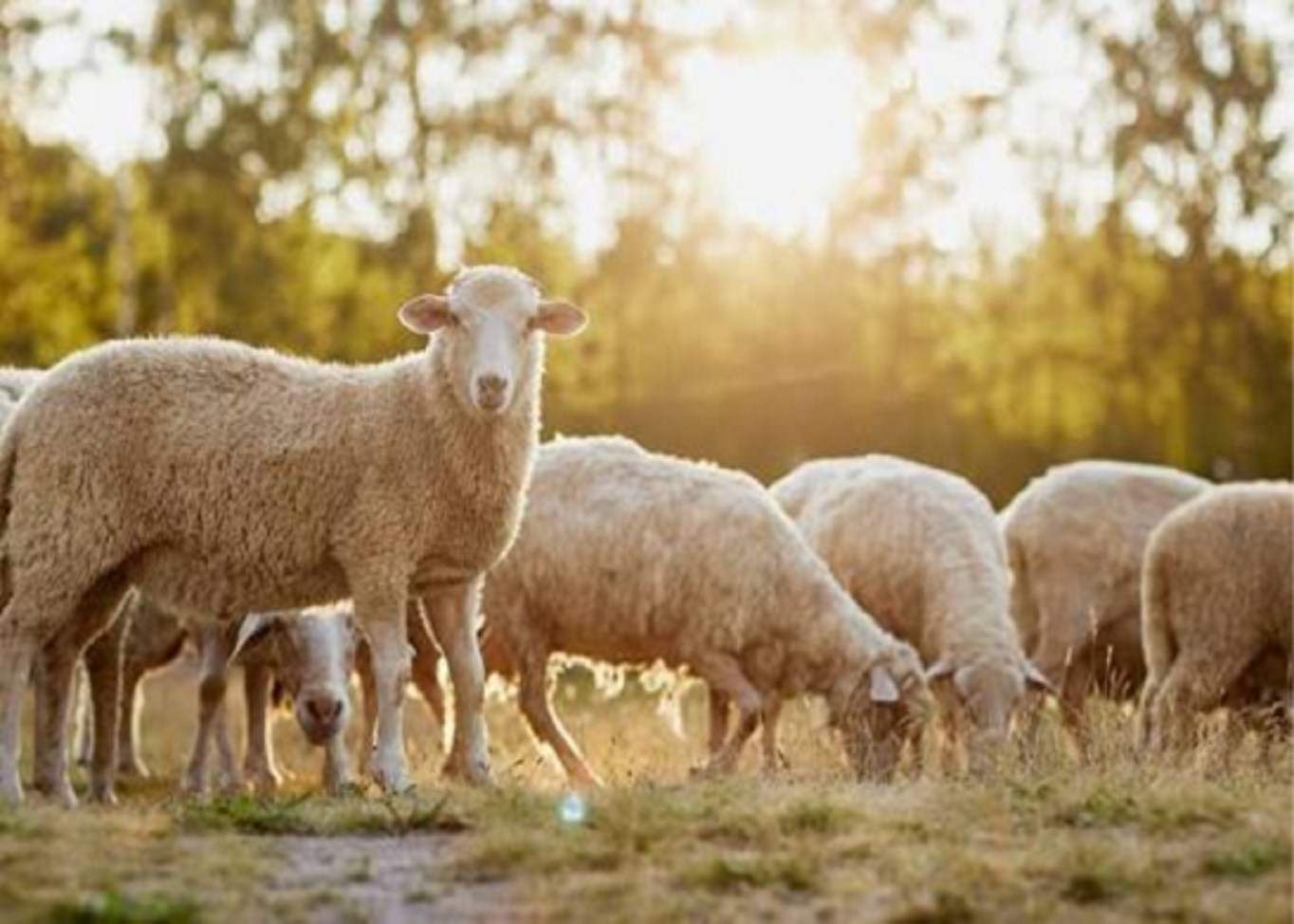
Wet pastures, standing water and poorly managed grazing areas can create favourable conditions for liver fluke transmission in sheep. Even when infected animals receive treatment, continued exposure to contaminated grazing areas can sustain infection within the flock.
Effective fasciolosis control therefore requires attention to pasture management alongside veterinary monitoring and appropriate flukicide use. Identifying environmental risk factors and understanding seasonal transmission patterns can help veterinarians advise farmers on reducing exposure to Fasciola hepatica.
Understanding the Role of Snail Habitats
The transmission of F. hepatica depends on freshwater snails belonging to the family Lymnaeidae. In Europe, Galba truncatula is an important intermediate host.
These snails commonly inhabit:
- Banks of ditches and streams.
- Edges of small ponds.
- Waterlogged grazing areas.
- Temporary habitats such as wheel ruts and rainwater pools following heavy rainfall or flooding.
Although G. truncatula depends on water, it can survive periods of drought[1]. Consequently, apparently dry grazing areas may still present a risk when favourable moisture conditions return.
Seasonal Transmission and Weather-Related Risks[1],[2],[3]
In north-western Europe, liver fluke transmission traditionally follows two major seasonal patterns: summer and winter infection.
During summer infection, snails become infected in May or June, with metacercariae becoming available on pasture in August or September. In winter infection, snails acquire infection during late autumn, allowing transmission to continue through overwintering, with metacercariae available from May to July.
Summer transmission is the dominant pattern in northern Europe, although climatic models indicate that winter infection may increase in the future.
Temperature and moisture are important determinants of transmission. Wet weather resulting in standing water, combined with temperatures above 10°C but below 30°C, creates favourable conditions for identifying high-risk periods.
Climate change may further influence transmission. In northern Europe, changing climatic conditions could extend the liver fluke transmission season by up to four months.
Practical Grazing Management Strategies
Veterinarians can help farmers identify and reduce exposure by incorporating environmental assessment into flock health planning.
Important management measures include:
- Identify high-risk pastures: Assess rainfall, humidity, soil moisture, grazing duration and the availability of snail habitats.
- Restrict access to wet areas: Fence off or drain high-risk grazing locations where practical.
- Adjust grazing periods: Avoid allowing sheep to graze snail-infected pastures during periods of increased transmission risk.
- Assess shared grazing areas: Consider other potential reservoir hosts, including cattle and cervids, which can contribute to environmental infection pressure.
- Use weather information: Combine meteorological data with historical infection patterns to identify periods when pasture exposure is likely to increase.
Drainage and closure of open ditches may help reduce snail habitats, although these approaches can be difficult to implement. Snail populations may also recover through migration from surrounding areas, with G. truncatula movement distances of up to 30 metres reported[2].
Molluscicides should not be used for snail control because of their adverse environmental effects.
Clinical Bottom Line
Pasture management is an important component of fasciolosis control in sheep. Identifying snail habitats, recognising seasonal transmission patterns and restricting access to high-risk grazing areas can help reduce exposure.
Combining environmental assessment with flock monitoring and strategic flukicide use provides a more comprehensive approach to managing liver fluke infection.
References:
- Stuen S, Ersdal C. Fasciolosis—an increasing challenge in the sheep industry. Animals. 2022 Jun 8;12(12):1491. https://www.mdpi.com/2076-2615/12/12/1491
- Novobilský A, Engström A, Sollenberg S, Gustafsson K, Morrison DA, Höglund J. Transmission patterns of Fasciola hepatica to ruminants in Sweden. Veterinary Parasitology. 2014 Jul 14;203(3-4):276-86. https://research.slu.se/files/19110868/fulltext.pdf
- Fox NJ, White PC, McClean CJ, Marion G, Evans A, Hutchings MR. Predicting impacts of climate change on Fasciola hepatica risk. PLoS one. 2011 Jan 10;6(1):e16126. https://journals.plos.org/plosone/article/file?id=10.1371/journal.pone.0016126&type=printable
Related Contents
Article
Fasciolosis in Sheep: Recognising Clinical Presentations and Disease Progression
A sheep presenting with progressive weight loss, pale mucous membranes and submandibular oedema may...
Article
Diagnosing Fasciolosis in Sheep: Selecting Appropriate Tests at Different Infection Stages
A negative faecal examination does not necessarily rule out fasciolosis in sheep. During early infec...
Article
Flukicide Treatment and Resistance in Sheep: Assessing Drug Efficacy and Managing Treatment Failure
Repeated flukicide treatment does not necessarily translate into effective liver fluke control. Shee...
Article
Fasciolosis in Sheep: How Liver Damage Affects Productivity and Reproductive Performance
A sheep flock may experience declining productivity even when only a few animals show obvious signs...

Upcoming Event
Canine Pyoderma: Antibiotic Selection and Treatment Failure
Strengthen your approach to canine pyoderma with informed antibiotic selection and appropriate diagn...

Upcoming Event
Canine Pyoderma: Antibiotic Selection and Treatment Failure
Explore antibiotic selection, treatment challenges and approaches to managing canine pyoderma cases...
Article
Recognising Leptospirosis Across Animal Species: Clinical Presentations and Organ-Specific Changes
A dog presents with fever and systemic illness, while cattle experience reproductive failure without...
Article
Psychogenic Polydipsia in Dogs: Recognising Behavioural Triggers and Clinical Indicators
A dog presents with persistent excessive drinking and urination, yet its physical examination reveal...