Video
Practical Animal Breeding for Field Veterinarians - From Mating Plan to Calf Outcome
Animal breeding is a fundamental aspect of veterinary practice that directly influences livestock productivity, sustainability, and genetic advancement. It integrates core genetic principles with practical field strategies to enhance disease resistance, fertility, growth performance, and environmental adaptability. Veterinarians play a central role in designing and implementing breeding programs that balance productivity goals with preservation of genetic diversity, especially in countries like India where diverse breeds and regional variations must be considered. By combining traditional breeding knowledge with modern techniques such as artificial insemination, genetic selection, and performance recording, veterinary professionals help optimize livestock production while safeguarding long-term biodiversity and animal health.
Enhance your grasp of field-level breeding strategies and how they shape calf performance and herd improvement by accessing this complete study:
http://master-session-video.s3.ap-southeast-1.wasabisys.com/Dentalnet-VetNet/PDF/Dr.%20Bharat%20Bhushan.pdf
Related Contents
Article
Recognising Leptospirosis Across Animal Species: Clinical Presentations and Organ-Specific Changes
A dog presents with fever and systemic illness, while cattle experience reproductive failure without...
Article
Psychogenic Polydipsia in Dogs: Recognising Behavioural Triggers and Clinical Indicators
A dog presents with persistent excessive drinking and urination, yet its physical examination reveal...
Article
Diagnostic Approach to Canine PU/PD: Differentiating Primary Polydipsia from Primary Polyuria
Persistent excessive drinking and urination can be the presenting signs of several conditions in dog...
.jpg)
Upcoming Event
Culture-Guided Treatment of UTIs in Dogs and Cats
Make informed antibiotic choices in canine and feline UTIs with a culture-guided approach. Explore h...
Article
Managing Psychogenic Polydipsia in Dogs: Water Intake, Behavioural Therapy and Pharmacological Intervention
Once psychogenic polydipsia (PPD) has been identified, management needs to address more than the vol...
Article
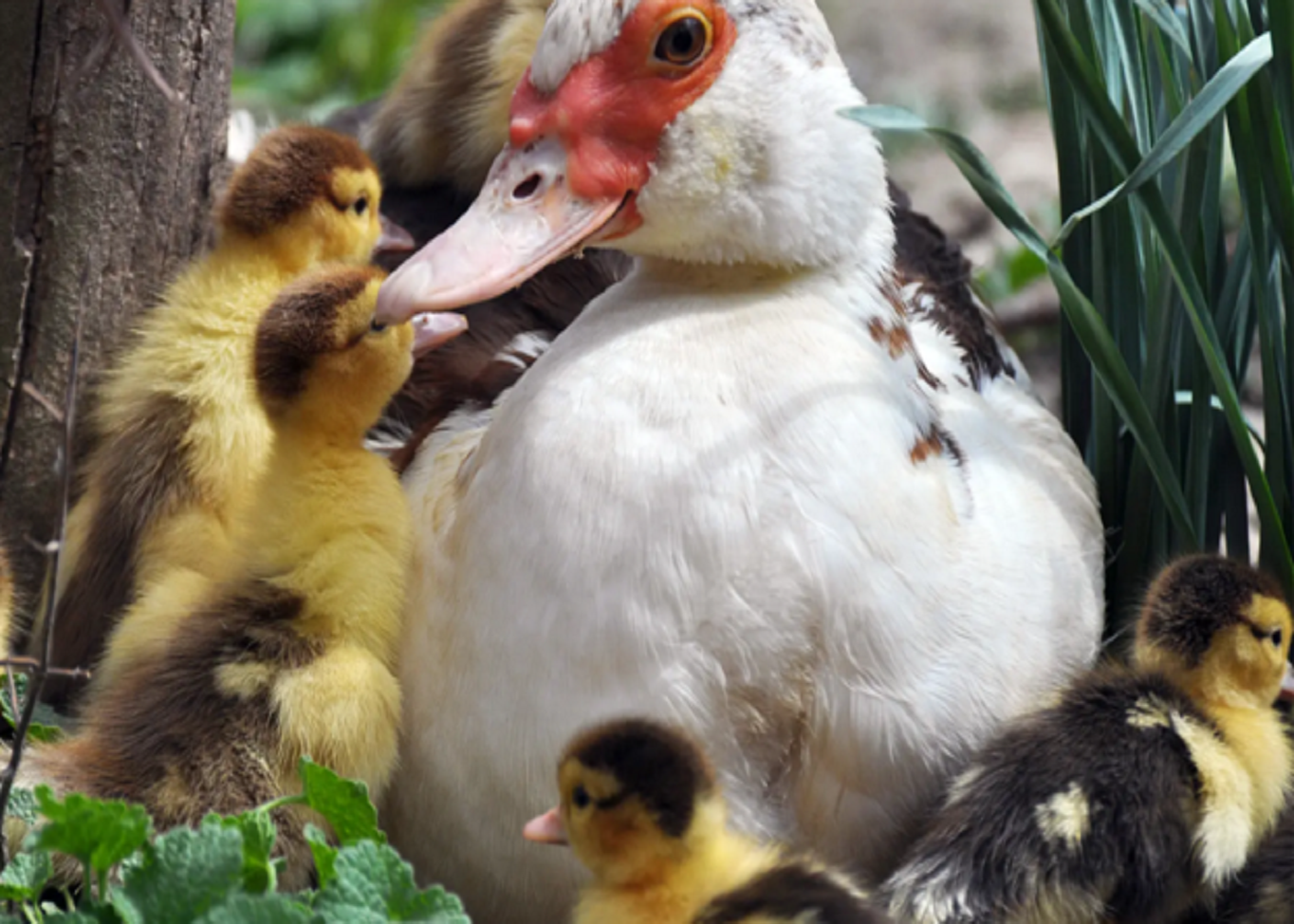
Duck Viral Hepatitis in Ducklings: Clinical Recognition and Differential Diagnosis
A sudden rise in mortality among young ducklings, particularly those under three weeks of age, shoul...
Article
Confirming Duck Viral Hepatitis: Choosing and Interpreting Diagnostic Tests
When young ducklings develop sudden mortality and liver lesions suggestive of duck viral hepatitis (...
Article
Duck Viral Hepatitis Vaccination: Managing Maternal Antibody Interference and Field Efficacy
Vaccination is a key strategy for controlling Duck Viral Hepatitis (DVH), particularly in intensive...