Article
Avian Chlamydiosis in Poultry: When Should Veterinarians Suspect It?
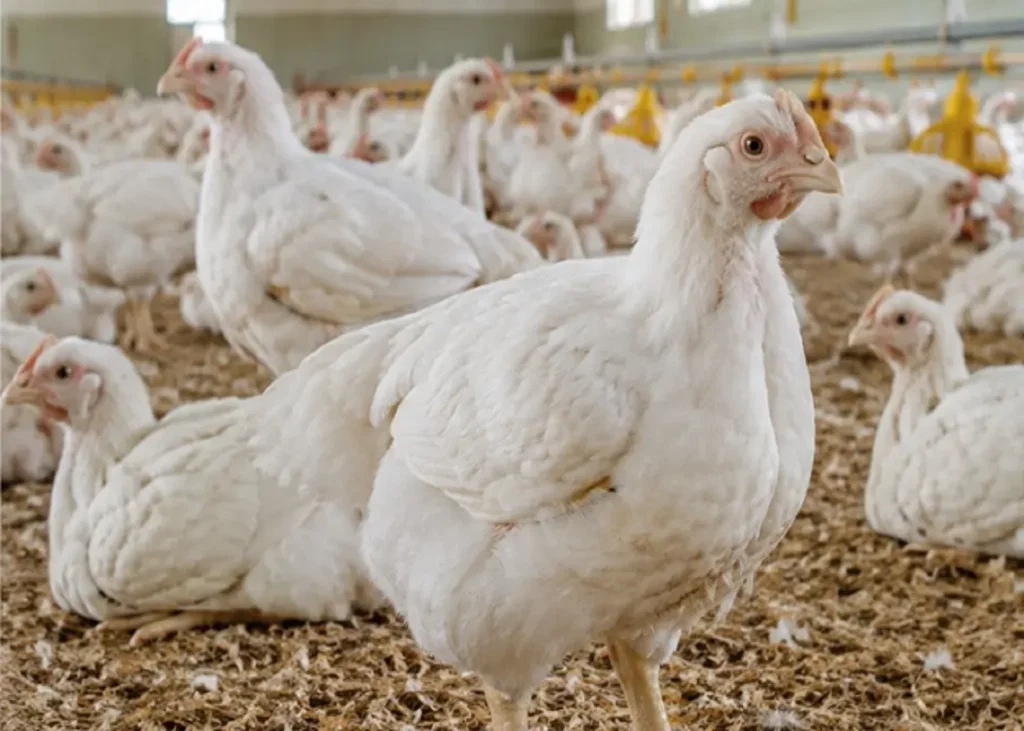
A poultry flock may show respiratory illness, reduced performance, or increased mortality without pointing immediately to a single cause. Chlamydiales can be part of this clinical picture, but their presentation is not always obvious. Some infected birds may remain apparently healthy while shedding the organism, so clinical suspicion is important when flock-level problems do not follow a straightforward pattern.
Look Beyond the Respiratory Signs
Chlamydiales are obligate intracellular bacteria that can infect a range of avian hosts, including chickens, ducks, and turkeys. In poultry, infection has been associated with both local and systemic disease, with clinical severity ranging from limited signs to substantial morbidity or mortality.
Respiratory disease is one important presentation. However, the clinical picture can extend beyond the respiratory tract. Reported manifestations include inflammation, skin thickening, liver necrosis, septicemia, dropsy syndrome, crusty blue comb, and swollen-head presentations in different age classes. These findings mean that chlamydial infection should not be considered only when respiratory signs dominate.
A practical question is: Could Chlamydiales be contributing when the clinical picture is mixed or unusually persistent?
The answer cannot come from clinical signs alone, but the pattern of disease can help determine when further investigation is warranted.
When Production Performance Becomes a Clue
Clinical disease is not the only concern. Chlamydiales have also been associated with reduced productivity in poultry.
Chlamydia gallinacea is particularly relevant in chickens. Field observations have described asymptomatic shedding, while experimental inoculation of broilers with C. gallinacea was associated with reduced body weight gain[1].
This creates an important contrast for flock assessment:
No obvious clinical disease does not necessarily mean no production impact.
For veterinarians monitoring commercial flocks, unexplained performance concerns may therefore warrant attention to the broader infectious picture rather than relying only on visible illness.
Why Species Identification Matters Clinically
C. psittaci has traditionally received substantial attention because of its zoonotic significance. However, C. gallinacea has emerged as an important chlamydial species in chickens. Guo et al. (2016) identified C. gallinacea as the endemic chlamydial species in chickens, distinguishing it from C. psittaci[2].
This distinction matters because different Chlamydia species may have different host associations and epidemiological significance. C. gallinacea has been identified in poultry and wild birds, while C. psittaci has been reported across diverse avian hosts[3].
For the practicing veterinarian, this reinforces a simple point: A suspected chlamydial problem should not automatically be equated with one species.
A Clinical Picture That Can Be Easily Missed[4]
Another challenge is that infection may occur without dramatic clinical signs. C. gallinacea has been associated with asymptomatic shedding, while Chlamydiales more broadly can produce variable clinical presentations. This can make recognition difficult, particularly when flock problems are attributed to more apparent causes.
Clinical suspicion becomes more useful when several observations are considered together:
- Respiratory or systemic illness within the flock;
- Unexplained morbidity or mortality;
- Reduced production performance;
- Poor body-weight gain;
- Apparently healthy birds with potential shedding; and
- Epidemiological circumstances involving contact with other domestic or wild birds.
None of these findings alone confirm chlamydial infection. Rather, they can help determine when Chlamydiales should remain in the differential diagnosis.
Clinical Bottom Line
Chlamydiosis in poultry does not always announce itself with a characteristic clinical picture. Respiratory or systemic disease, unexplained production losses, and apparently healthy birds that may shed the organism can all form part of the clinical puzzle.
For veterinarians, recognising this variability is important. Keeping Chlamydiales in the differential diagnosis when the flock picture warrants it can provide a rational basis for pursuing appropriate diagnostic investigation and subsequent flock-management decisions.
References:
- Szymańska-Czerwińska M, Zaręba-Marchewka K, Niemczuk K. New insight on chlamydiae. Journal of Veterinary Research. 2023 Dec 19;67(4):559-65. https://reference-global.com/download/article/10.2478/jvetres-2023-0067.pdf
- Guo W, Li J, Kaltenboeck B, Gong J, Fan W, Wang C. Chlamydia gallinacea, not C. psittaci, is the endemic chlamydial species in chicken (Gallus gallus). Scientific reports. 2016 Jan 18;6(1):19638. https://www.nature.com/articles/srep19638.pdf
- Stokes HS, Berg ML, Bennett AT. A review of chlamydial infections in wild birds. Pathogens. 2021 Jul 28;10(8):948. https://www.mdpi.com/2076-0817/10/8/948
- Narayan J, Yadav V, Prakash D, Diwakar RP, Joshi RK. A Review on Chlamydiales in Indian Poultry and its Zoonotic Transmission. https://www.researchgate.net/profile/Dp-Shrivastava-2/publication/394943252
Related Contents

Article
Chronic Cough in Dogs and Cats: How to Classify and Localize It
A dog has been coughing for several weeks. The owner describes it as “honking,” but the...
Article
Diagnosing the Coughing Dog or Cat: Choosing the Right Diagnostic Test
A coughing dog or cat does not automatically need every available respiratory test. The more useful...

Article
Bronchoscopy and Airway Sampling in Dogs and Cats with Chronic Cough
In dogs and cats with chronic cough, thoracic radiographs may not fully explain the airway abnormali...

Article
When Should Veterinarians Suppress Cough?
Cough suppression plays a specific role in managing respiratory diseases in dogs and cats. The aim i...

Article
Managing Persistent Cough in Dogs and Cats: From Conventional Therapy to Emerging Options
Persistent cough in dogs and cats may require more than treatment of the primary disease. When cough...
Article
Bacterial Diseases in Farmed Fish: Recognising Clinical Patterns in Practice
A fish population develops haemorrhagic lesions, lethargy and poor appetite. Another shows exophthal...
Article
Viral Diseases in Aquaculture: Recognising Clinical Patterns Before the Outbreak Escalates
A group of cultured fish begins showing dark skin, haemorrhage, anaemia and abnormal behaviour. In a...
Article
Parasitic Diseases in Farmed Fish: Recognising Gill, Skin and Systemic Involvement
A group of fingerlings is losing appetite and becoming increasingly inactive. Some fish have excessi...