Video
Clinical Biochemistry and Veterinary Practice: Recent Trends in Veterinary Laboratory Diagnosis
Clinical biochemistry plays a pivotal role in modern veterinary diagnostics by providing objective insights into organ function, metabolic status, and disease progression. Recent advancements in laboratory diagnostics—including automated analyzers, point-of-care testing, novel biomarkers, and improved quality assurance practices—have enhanced the accuracy and speed of clinical decision-making. This webinar explores emerging trends in veterinary clinical biochemistry, highlighting the interpretation of biochemical profiles in companion and food-producing animals, the clinical relevance of liver, kidney, pancreatic, endocrine, and inflammatory biomarkers, and the integration of laboratory findings with clinical examination. Participants will gain practical knowledge to improve diagnostic accuracy, monitor treatment response, and make evidence-based decisions in everyday veterinary practice.
Download the attached recent research paper to explore recent advances in veterinary clinical biochemistry and laboratory diagnostic technologies.
https://www.researchgate.net/profile/Moumita-Sahoo/publication/381821854
Related Contents
Article
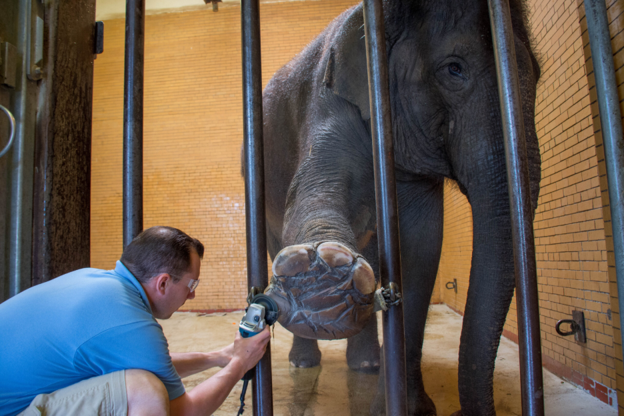
Elephant Foot Health: Detecting Problems Before Lameness
Foot problems in elephants do not necessarily begin with obvious lameness. By the time an elephant i...
Article
When an Elephant’s Behaviour Changes: Recognising Clinically Relevant Patterns
A change in an elephant’s behaviour can be easy to dismiss as temperament. It can also...
Article
Is It Normal for This Elephant? Building an Individual Health Baseline
For a long-lived animal, a single health assessment provides only a snapshot. A more useful c...
Article
Body Condition in Asian Elephants: When Does Change Become Clinically Relevant?
Body condition is often recorded during routine elephant health assessments. Its clinical value, how...
Article
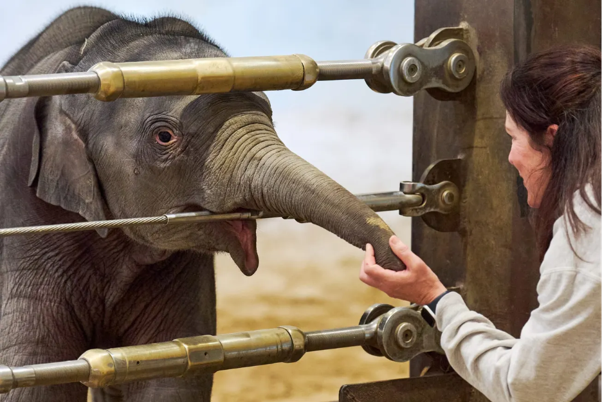
EEHV in Asian Elephant Calves: Recognising the Early Clinical Picture
Elephant endotheliotropic herpesvirus (EEHV) is an important cause of fatal haemorrhagic disease in...
Article
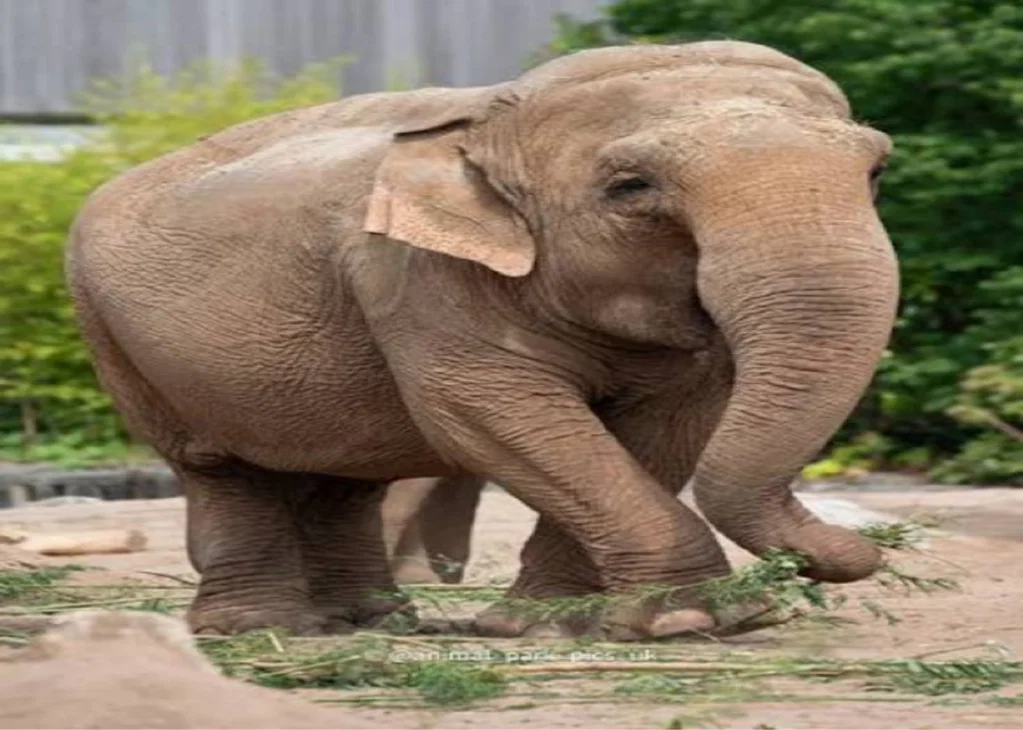
Gastrointestinal Parasites in Asian Elephants: Interpreting Faecal Findings
A positive faecal examination confirms the detection of parasite stages in the sample. It does not,...
Article
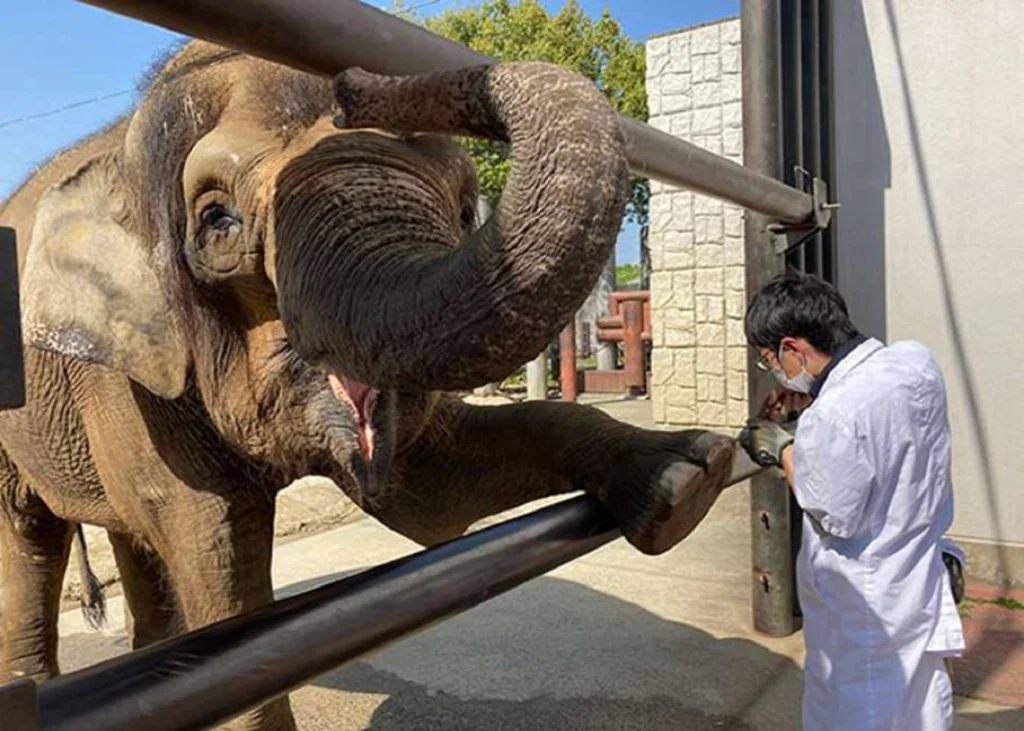
Tuberculosis in Asian Elephants: Interpreting Screening Results in Context
Tuberculosis surveillance in elephants presents a fundamental diagnostic challenge: a test result is...
Article
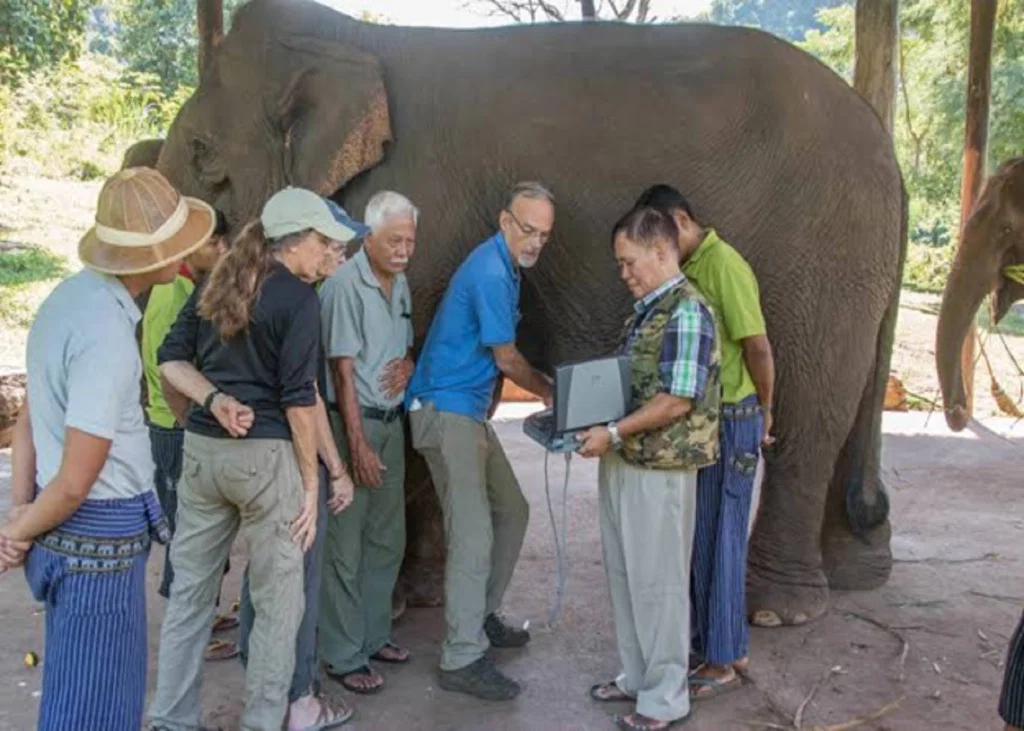
Pregnancy Monitoring in Asian Elephants: Interpreting Ultrasound and Hormonal Findings
Confirming pregnancy is only the beginning of reproductive monitoring in an elephant. With a...