Video
Antimicrobial resistance in livestock: Practical implications for Veterinarian
Antimicrobial resistance (AMR) in livestock has emerged as a major global health threat with profound implications for animal health, human health, food security, and the economy. The widespread use of antibiotics in livestock for therapeutic, metaphylactic, and prophylactic purposes creates selective pressure that accelerates the emergence and spread of resistant pathogens. These resistant organisms can transfer across animals, humans, and the environment, undermining the effectiveness of critical antimicrobials and increasing morbidity, mortality, and healthcare costs. Projections estimate that AMR could cause up to 10 million deaths annually by 2050, alongside significant losses to global GDP. Addressing this crisis requires a coordinated One Health approach, emphasizing antimicrobial stewardship, surveillance, regulatory control, biosecurity, and adoption of alternatives such as vaccines and probiotics.
To strengthen your knowledge of evidence-based antimicrobial use in livestock, read this research paper.
Related Contents
Article
Recognising Leptospirosis Across Animal Species: Clinical Presentations and Organ-Specific Changes
A dog presents with fever and systemic illness, while cattle experience reproductive failure without...
Article
Psychogenic Polydipsia in Dogs: Recognising Behavioural Triggers and Clinical Indicators
A dog presents with persistent excessive drinking and urination, yet its physical examination reveal...

Article
Diagnostic Approach to Canine PU/PD: Differentiating Primary Polydipsia from Primary Polyuria
Persistent excessive drinking and urination can be the presenting signs of several conditions in dog...
.jpg)
Upcoming Event
Culture-Guided Treatment of UTIs in Dogs and Cats
Make informed antibiotic choices in canine and feline UTIs with a culture-guided approach. Explore h...

Article
Managing Psychogenic Polydipsia in Dogs: Water Intake, Behavioural Therapy and Pharmacological Intervention
Once psychogenic polydipsia (PPD) has been identified, management needs to address more than the vol...
Article
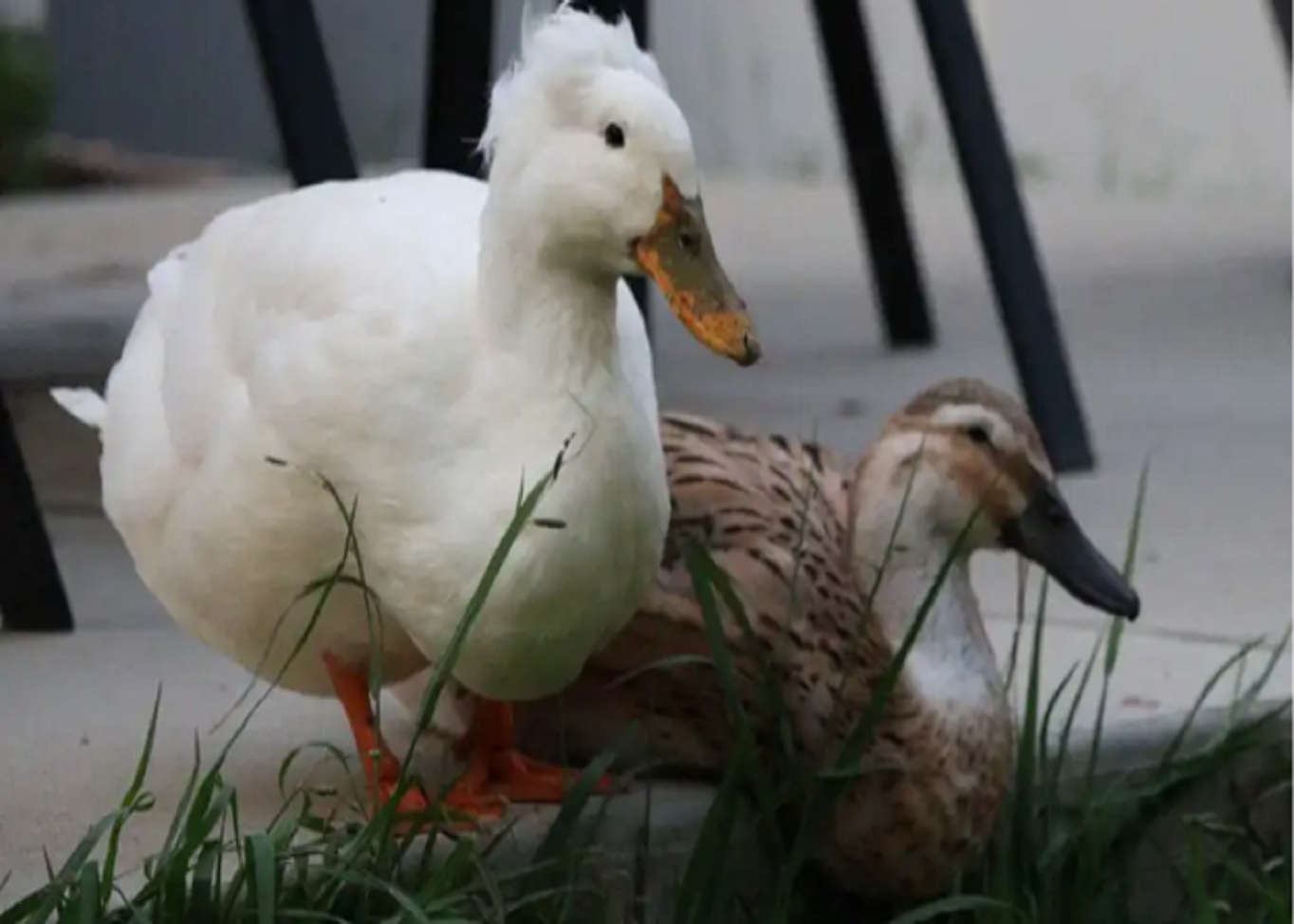
Duck Viral Hepatitis in Ducklings: Clinical Recognition and Differential Diagnosis
A sudden rise in mortality among young ducklings, particularly those under three weeks of age, shoul...
Article
Confirming Duck Viral Hepatitis: Choosing and Interpreting Diagnostic Tests
When young ducklings develop sudden mortality and liver lesions suggestive of duck viral hepatitis (...
Article
Duck Viral Hepatitis Vaccination: Managing Maternal Antibody Interference and Field Efficacy
Vaccination is a key strategy for controlling Duck Viral Hepatitis (DVH), particularly in intensive...