Article
Sudden Mortality in Nile Tilapia: Recognising Streptococcosis in the Field
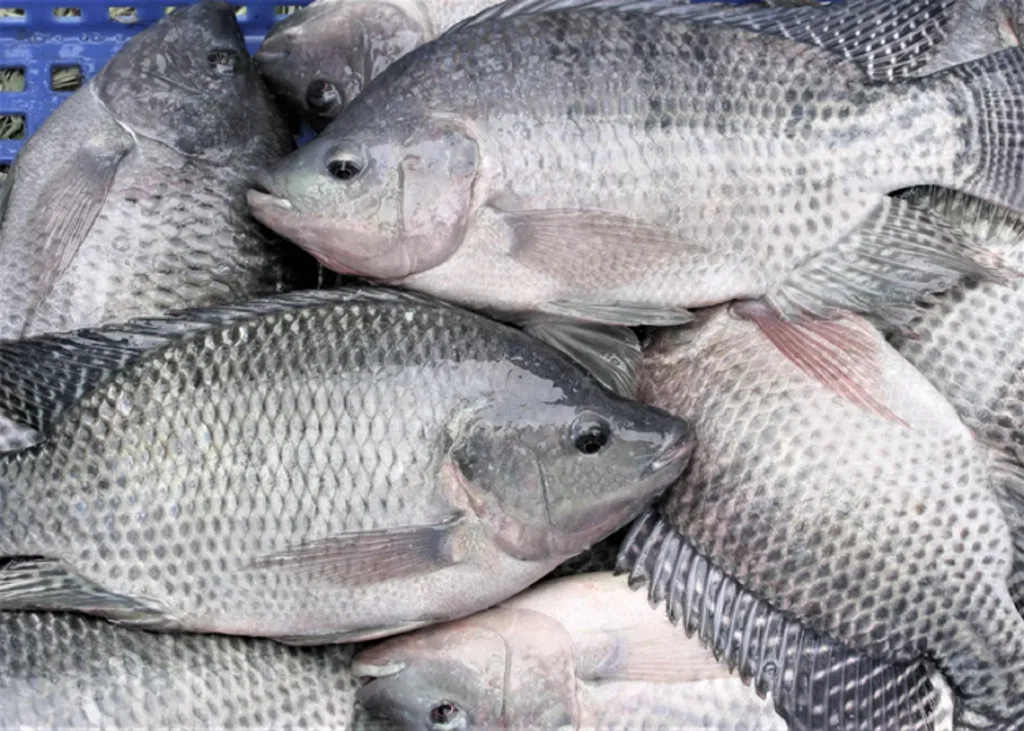
A tilapia farm reports a sudden rise in mortality. Some fish are swimming erratically, others have prominent eyes, and a few show no obvious signs before death. Could this be streptococcosis?
In Nile tilapia (Oreochromis niloticus), Streptococcus agalactiae is an important cause of systemic infection and can produce meningoencephalitis, septicemia and neurological abnormalities[1],[2]. Recognising the clinical pattern early can help veterinarians decide when an outbreak warrant targeted diagnostic investigation.
When abnormal swimming is more than a behavioural change
One of the most important clues is neurological involvement.
S. agalactiae can penetrate the blood–brain barrier in fish and cause meningoencephalitis[3]. Clinically, affected tilapia may show nervousness, disorientation and abnormal swimming, including spiraling and spinning movements[1],[3],[4].
But neurological signs are not the only presentation.
Other findings reported in infected fish include anorexia, lethargy, melanosis, dorsal rigidity, C-shaped body curvature, corneal opacity, unilateral or bilateral exophthalmia, peri-orbital or intraocular haemorrhage, diffuse haemorrhage of the skin and musculoskeletal tissue, and ascites[3].
What can necropsy add?
When mortality is occurring, external examination alone may not reveal the extent of infection.
Necropsy findings associated with streptococcosis include yellow or dark-red nodules in muscle tissue, a pale liver, hepatomegaly, splenomegaly, clouded meninges or cerebrospinal fluid, and serosanguinous fluid in the abdominal cavity[3].
The infection can involve multiple organs. Histopathological changes have been reported in the brain, heart and eyes, as well as the gills, spleen, kidney, liver, gastrointestinal tract, skeletal muscle and skin[3].
This systemic distribution is important when examining fish from an active mortality event.
The absence of clinical signs does not rule it out
A practical challenge is that infected fish do not necessarily present with a textbook combination of signs.
Some affected fish may show no obvious clinical signs before sudden death[3]. Therefore, an apparently normal fish found dead should not automatically exclude infectious disease from consideration.
The wider farm picture also matters. Outbreaks have been associated with high water temperatures, particularly above 26–27 °C, high stocking density, low dissolved oxygen, elevated ammonia or nitrite, increased salinity and alkaline water[3].
From suspicion to confirmation
Clinical signs and necropsy findings can raise suspicion, but they do not establish S. agalactiae as the causative agent.
Because different Streptococcus species can produce overlapping manifestations, laboratory identification is important[3]. Moribund fish can be submitted for diagnostic examination, with nervous tissue and highly vascularised organs such as the kidney, liver and spleen among the tissues used for detection[3],[4].
Clinical bottom line: In a Nile tilapia mortality event, the combination of sudden deaths, neurological abnormalities, exophthalmia, haemorrhagic changes and compatible necropsy findings should prompt consideration of streptococcosis. However, because clinical presentation can vary substantially, confirmation requires appropriate laboratory identification of the causative organism.
References:
- Abdallah ES, Metwally WG, Bayoumi SA, Abdel Rahman MA, Mahmoud MM. Isolation and characterization of Streptococcus agalactiae inducing mass mortalities in cultured Nile tilapia (Oreochromis niloticus) with trials for disease control using zinc oxide nanoparticles and ethanolic leaf extracts of some medicinal plants. BMC Veterinary Research. 2024 Oct 15;20(1):468. https://link.springer.com/content/pdf/10.1186/s12917-024-04298-z.pdf
- Ferrari NA, Favero LM, Facimoto CT, Dall Agnol AM, Gaeta ML, de Oliveira TE, Gonçalves DD, Lopera-Barrero NM, Pereira UD, Di Santis GW. Clinical and histopathological evolution of acute intraperitoneal infection by Streptococcus agalactiae serotypes Ib and III in nile tilapia. Fishes. 2024 Jul 13;9(7):279. https://www.mdpi.com/2410-3888/9/7/279
- Abdallah ES, Metwally WG, Abdel-Rahman MA, Albano M, Mahmoud MM. Streptococcus agalactiae infection in Nile tilapia (Oreochromis niloticus): A review. Biology. 2024 Nov 11;13(11):914. https://www.mdpi.com/2079-7737/13/11/914
- Rahman MM, Rahman MA, Monir MS, Haque ME, Siddique MP, Khasruzzaman AK, Rahman MT, Islam MA. Isolation and molecular detection of Streptococcus agalactiae from popped eye disease of cultured Tilapia and Vietnamese koi fishes in Bangladesh. Journal of Advanced Veterinary and Animal Research. 2021 Mar 5;8(1):14. https://pmc.ncbi.nlm.nih.gov/articles/PMC8043335/pdf/JAVAR-8-14.pdf
Related Contents

Article
Chronic Cough in Dogs and Cats: How to Classify and Localize It
A dog has been coughing for several weeks. The owner describes it as “honking,” but the...

Article
Diagnosing the Coughing Dog or Cat: Choosing the Right Diagnostic Test
A coughing dog or cat does not automatically need every available respiratory test. The more useful...

Article
Bronchoscopy and Airway Sampling in Dogs and Cats with Chronic Cough
In dogs and cats with chronic cough, thoracic radiographs may not fully explain the airway abnormali...

Article
When Should Veterinarians Suppress Cough?
Cough suppression plays a specific role in managing respiratory diseases in dogs and cats. The aim i...

Article
Managing Persistent Cough in Dogs and Cats: From Conventional Therapy to Emerging Options
Persistent cough in dogs and cats may require more than treatment of the primary disease. When cough...
Article
Bacterial Diseases in Farmed Fish: Recognising Clinical Patterns in Practice
A fish population develops haemorrhagic lesions, lethargy and poor appetite. Another shows exophthal...
Article
Viral Diseases in Aquaculture: Recognising Clinical Patterns Before the Outbreak Escalates
A group of cultured fish begins showing dark skin, haemorrhage, anaemia and abnormal behaviour. In a...
Article
Parasitic Diseases in Farmed Fish: Recognising Gill, Skin and Systemic Involvement
A group of fingerlings is losing appetite and becoming increasingly inactive. Some fish have excessi...