Article
Emerging Epidemiological Features of Duck Hepatitis A Virus Infection
Duck hepatitis A virus (DHAV) is traditionally associated with acute, highly fatal disease in young ducklings. However, reports of infection in adult ducks, possible vertical transmission, and co-infections suggest that its epidemiological profile may be more complex. These findings have implications for disease surveillance and flock-health investigations.
Infection Beyond Young Ducklings[1]
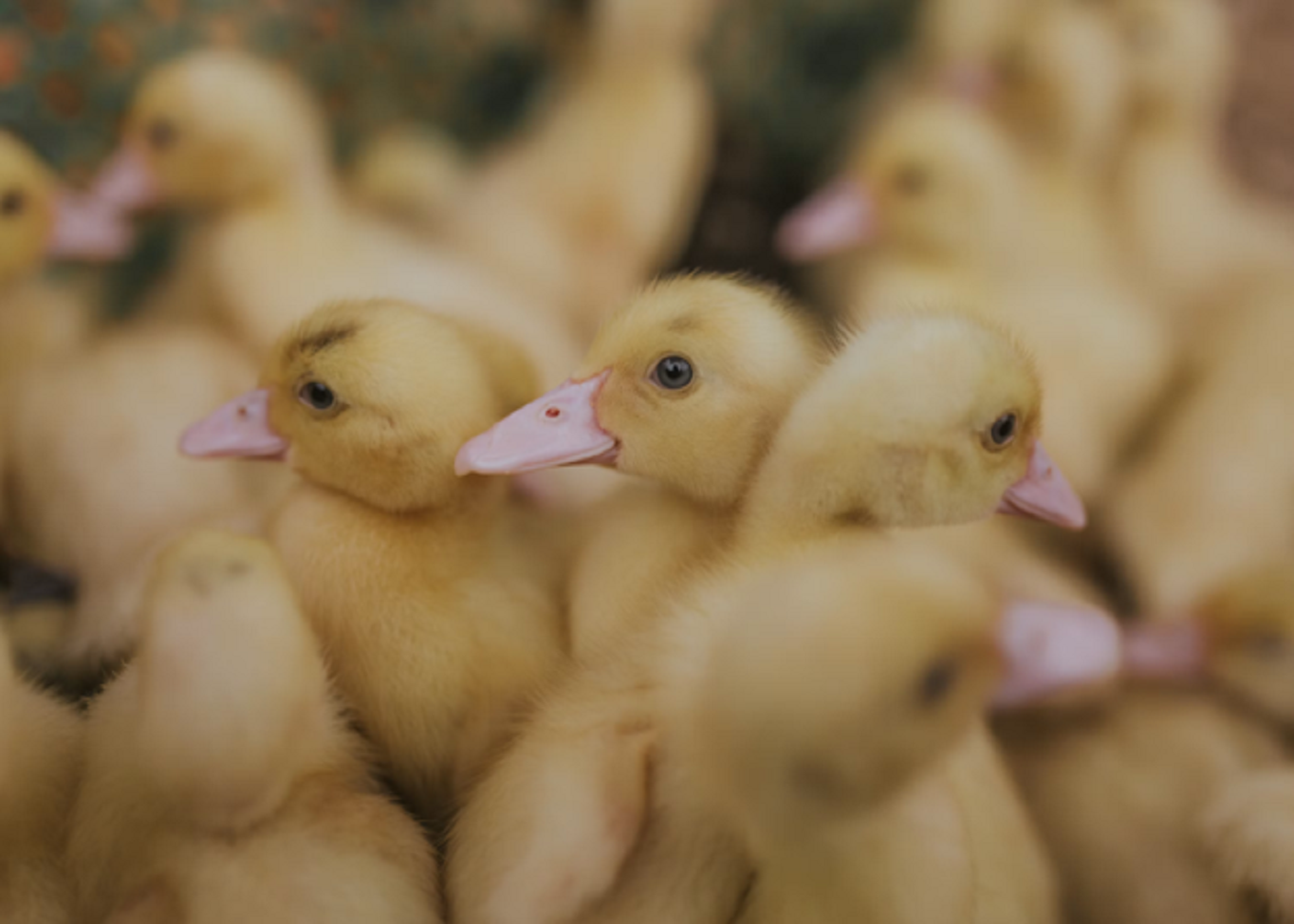
DHAV primarily affects ducklings below three weeks of age. Adult ducks are generally considered resistant to clinical disease, although infected birds may shed the virus and contribute to transmission.
An outbreak of DHAV-1 in adult egg-laying ducks in Shandong province, China, challenged this understanding. Affected birds showed reduced feed consumption, declining egg production, and abnormalities involving the ovary and oviduct.
Although this does not establish that adult ducks commonly develop clinical DHAV infection, it highlights the need to consider the virus when investigating unexplained production declines or reproductive abnormalities in breeder and layer flocks.
Potential Vertical Transmission[1]
DHAV-1 RNA has been detected in non-embryonated duck eggs, 17-day-old embryos, dead embryos and newly hatched ducklings. These findings raise the possibility that infected breeding ducks may transmit the virus to their progeny.
For veterinarians investigating recurring infection in young ducklings, breeder-flock health deserves attention alongside the health status of affected batches. However, detection of viral RNA does not establish how frequently, or efficiently vertical transmission occurs under field conditions. Further evidence is needed to clarify its contribution to disease spread.
Genotype Distribution and Changing Disease Patterns
DHAV has three recognised genotypes: DHAV-1, DHAV-2 and DHAV-3. Their geographical distribution varies. DHAV-1 has been reported across Europe, Asia and Africa, whereas DHAV-2 has a more restricted distribution in Taiwan, China. DHAV-3 emerged in Korea and subsequently spread to China, Vietnam and Egypt[2].
In China, DHAV-3 became increasingly prevalent from 2013, with frequent co-infections involving DHAV-1[1]. This changing distribution highlights the importance of considering circulating genotypes during epidemiological investigations.
Co-Infections in Affected Flocks[1]
DHAV co-infections with duck circovirus, Riemerella anatipestifer and novel duck reovirus have also been reported. Concurrent infections can complicate the interpretation of clinical signs and disease investigations. Veterinarians should therefore consider other pathogens when clinical findings cannot be explained by DHAV alone.
Implications for Veterinary Practice
DHAV surveillance should not focus exclusively on clinically affected ducklings. Breeder flocks, adult ducks showing production changes, and flocks experiencing recurring disease also warrant attention. Considering genotype distribution and possible co-infections can help veterinarians investigate outbreaks more comprehensively.
References:
- Zhang Y, Wu S, Liu W, Hu Z. Current status and future direction of duck hepatitis A virus vaccines. Avian Pathology. 2023 Mar 4;52(2):89-99. https://www.tandfonline.com/doi/pdf/10.1080/03079457.2022.2162367
- Fehér E, Jakab S, Bali K, Kaszab E, Nagy B, Ihász K, Bálint Á, Palya V, Bányai K. Genomic epidemiology and evolution of duck hepatitis A virus. Viruses. 2021 Aug 11;13(8):1592. https://www.mdpi.com/1999-4915/13/8/1592
Related Contents
Article
Recognising Leptospirosis Across Animal Species: Clinical Presentations and Organ-Specific Changes
A dog presents with fever and systemic illness, while cattle experience reproductive failure without...
Article
Psychogenic Polydipsia in Dogs: Recognising Behavioural Triggers and Clinical Indicators
A dog presents with persistent excessive drinking and urination, yet its physical examination reveal...

Article
Diagnostic Approach to Canine PU/PD: Differentiating Primary Polydipsia from Primary Polyuria
Persistent excessive drinking and urination can be the presenting signs of several conditions in dog...
.jpg)
Upcoming Event
Culture-Guided Treatment of UTIs in Dogs and Cats
Make informed antibiotic choices in canine and feline UTIs with a culture-guided approach. Explore h...

Article
Managing Psychogenic Polydipsia in Dogs: Water Intake, Behavioural Therapy and Pharmacological Intervention
Once psychogenic polydipsia (PPD) has been identified, management needs to address more than the vol...
Article
Duck Viral Hepatitis in Ducklings: Clinical Recognition and Differential Diagnosis
A sudden rise in mortality among young ducklings, particularly those under three weeks of age, shoul...
Article
Confirming Duck Viral Hepatitis: Choosing and Interpreting Diagnostic Tests
When young ducklings develop sudden mortality and liver lesions suggestive of duck viral hepatitis (...
Article
Duck Viral Hepatitis Vaccination: Managing Maternal Antibody Interference and Field Efficacy
Vaccination is a key strategy for controlling Duck Viral Hepatitis (DVH), particularly in intensive...