Article
Nile Tilapia Streptococcosis: Farm-Level Risk Factors Behind Outbreaks
When streptococcosis appears on a tilapia farm, the first question should not be limited to which bacterium is involved.
A more useful question is: What conditions allowed the infection to become an outbreak?
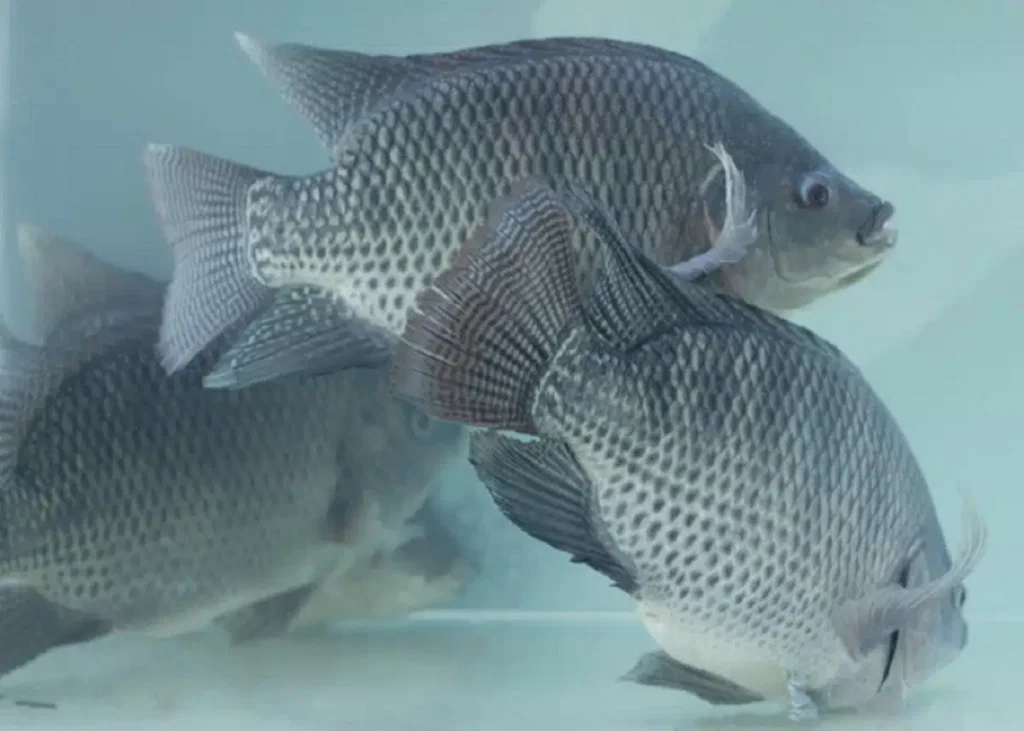
In Nile tilapia, Streptococcus agalactiae is associated with outbreaks across warm-water production systems. Reported infection rates have reached 50%, with mortality exceeding 95% in some outbreaks[1]. Understanding the farm-level conditions associated with disease can help veterinarians identify periods when the stock may be particularly vulnerable.
Temperature can shift the disease risk
Water temperature is an important consideration.
Streptococcal outbreaks are mainly reported when temperatures exceed 26 °C, particularly under high stocking densities[1]. Temperatures above 27 °C have also been associated with increased risk, alongside other environmental and husbandry factors[1],[2],[3].
Temperature also influences bacterial multiplication and virulence, while affecting the vulnerability of the host[4].
This makes temperature monitoring particularly relevant when mortality begins during warmer production periods.
Stocking density is not just a production parameter
High stocking density repeatedly appears alongside streptococcal outbreaks[1].
Intensive production can increase the occurrence of streptococcosis[1]. Crowded conditions also matter because direct transmission can occur through water and through wounds or abrasions, particularly under intensive culture conditions[1].
For the veterinarian assessing an outbreak, stocking density therefore needs to be considered alongside mortality pattern, environmental measurements and fish condition rather than as an isolated farm parameter.
Water quality can add another layer of vulnerability
Several water-quality conditions have been associated with streptococcal disease.
These include low dissolved oxygen, high ammonia, high nitrite, increased salinity and pH above 8[1]. High unionised ammonia concentrations of ≥0.02 mg/L have also been associated with disease risk[1],[5].
The practical point is straightforward: A mortality event should trigger an environmental assessment, not only a fish examination.
Fish size and age can influence the outbreak picture
Disease is not restricted to one specific size class. Infection has been observed in fish weighing less than 50 g, but disease has predominantly been reported in adult growth-stage fish, with an average weight of approximately 500 g[1].
Therefore, age and average fish weight should be recorded when assessing a farm outbreak. This information can help place the mortality pattern in context.
The farm environment is rarely the only variable
Disease severity can also vary with the bacterial strain and its virulence, bacterial concentration, fish species, and individual host response. Route of infection, stocking density, environmental fluctuations, management practices and coinfections can further influence the outcome[1],[6].
This means an outbreak investigation should look for a combination of interacting conditions, rather than assigning the event to a single farm factor.
Farm-level clinical focus
When streptococcosis is suspected, review the conditions surrounding the outbreak: water temperature, dissolved oxygen, ammonia and nitrite levels, pH, salinity, stocking density, production intensity, and fish size or age.
These factors do not by themselves establish the diagnosis. However, when several coincide with rising mortality, they provide important context for the veterinarian investigating the outbreak and deciding how urgently the affected stock requires further diagnostic assessment.
References:
- Abdallah ES, Metwally WG, Abdel-Rahman MA, Albano M, Mahmoud MM. Streptococcus agalactiae infection in Nile tilapia (Oreochromis niloticus): A review. Biology. 2024 Nov 11;13(11):914. https://www.mdpi.com/2079-7737/13/11/914
- Abdallah ES, Metwally WG, Bayoumi SA, Abdel Rahman MA, Mahmoud MM. Isolation and characterization of Streptococcus agalactiae inducing mass mortalities in cultured Nile tilapia (Oreochromis niloticus) with trials for disease control using zinc oxide nanoparticles and ethanolic leaf extracts of some medicinal plants. BMC Veterinary Research. 2024 Oct 15;20(1):468. https://link.springer.com/content/pdf/10.1186/s12917-024-04298-z.pdf
- Zamri-Saad M, Amal MN, Siti-Zahrah A, Zulkafli AR. Control and prevention of streptococcosis in cultured tilapia in Malaysia: a review. http://www.journals-jd.upm.edu.my/resources/files/Pertanika%20PAPERS/JTAS%20Vol.%2037%20(4)%20Nov.%202014/01%20Page%20389-410%20(JTAS%200552-2013).pdf
- Rodkhum C, Kayansamruaj P, Pirarat N. Effect of water temperature on susceptibility to Streptococcus agalactiae serotype Ia infection in Nile tilapia (Oreochromis niloticus). The Thai Journal of Veterinary Medicine. 2011;41(3):309-14. https://digital.car.chula.ac.th/cgi/viewcontent.cgi?article=2314&context=tjvm
- Evans JJ, Pasnik DJ, Brill GC, Klesius PH. Un‐ionized ammonia exposure in Nile tilapia: toxicity, stress response, and susceptibility to Streptococcus agalactiae. North American Journal of Aquaculture. 2006 Jan 1;68(1):23-33. https://www.academia.edu/download/48134476/Unionized_Ammonia_Exposure_in_Nile_Tilap20160817-968-uk0etd.pdf
- Preenanka R, Safeena MP, Vidhya B, Sumithra TG. Impact of salinity on Streptococcus agalactiae and health parameters of Oreochromis niloticus during streptococcosis outbreaks. The Microbe. 2024 Dec 1;5:100167. https://www.sciencedirect.com/science/article/pii/S2950194624001341
Related Contents

Article
Chronic Cough in Dogs and Cats: How to Classify and Localize It
A dog has been coughing for several weeks. The owner describes it as “honking,” but the...
Article
Diagnosing the Coughing Dog or Cat: Choosing the Right Diagnostic Test
A coughing dog or cat does not automatically need every available respiratory test. The more useful...

Article
Bronchoscopy and Airway Sampling in Dogs and Cats with Chronic Cough
In dogs and cats with chronic cough, thoracic radiographs may not fully explain the airway abnormali...

Article
When Should Veterinarians Suppress Cough?
Cough suppression plays a specific role in managing respiratory diseases in dogs and cats. The aim i...

Article
Managing Persistent Cough in Dogs and Cats: From Conventional Therapy to Emerging Options
Persistent cough in dogs and cats may require more than treatment of the primary disease. When cough...
Article
Bacterial Diseases in Farmed Fish: Recognising Clinical Patterns in Practice
A fish population develops haemorrhagic lesions, lethargy and poor appetite. Another shows exophthal...
Article
Viral Diseases in Aquaculture: Recognising Clinical Patterns Before the Outbreak Escalates
A group of cultured fish begins showing dark skin, haemorrhage, anaemia and abnormal behaviour. In a...
Article
Parasitic Diseases in Farmed Fish: Recognising Gill, Skin and Systemic Involvement
A group of fingerlings is losing appetite and becoming increasingly inactive. Some fish have excessi...