.png)
Article
4 Mistakes Fueling AMR in Your Clinic (and How to Fix Them Today)
Even clinics with the best intentions may unknowingly contribute to antimicrobial resistance (AMR). Here are four frequent mistakes and practical solutions:
- Empirical Prescribing Without Diagnostics
Fix: Ensure follow-up with culture testing, particularly in cases of recurrence.
- Underdosing or Short Courses
Fix: Accurately calculate dosage and educate pet owners about compliance.
- Immediate Use of Last-Resort Drugs
Fix: Begin treatment with first-line antimicrobials unless there are contraindications.
- No Documentation or Review
Fix: Maintain prescription logs and conduct quarterly reviews.
Establishing internal guidelines, utilizing decision trees for antimicrobial therapy, and monitoring outcomes are cost-effective yet impactful measures that contribute significantly to effective antimicrobial stewardship.
References:
- Indian Pharmacopoeia Commission. Rational Use of Veterinary Medicines, 2020
Related Contents
Article
Recognising Leptospirosis Across Animal Species: Clinical Presentations and Organ-Specific Changes
A dog presents with fever and systemic illness, while cattle experience reproductive failure without...
Article
Psychogenic Polydipsia in Dogs: Recognising Behavioural Triggers and Clinical Indicators
A dog presents with persistent excessive drinking and urination, yet its physical examination reveal...
Article
Diagnostic Approach to Canine PU/PD: Differentiating Primary Polydipsia from Primary Polyuria
Persistent excessive drinking and urination can be the presenting signs of several conditions in dog...
.jpg)
Upcoming Event
Culture-Guided Treatment of UTIs in Dogs and Cats
Make informed antibiotic choices in canine and feline UTIs with a culture-guided approach. Explore h...
Article
Managing Psychogenic Polydipsia in Dogs: Water Intake, Behavioural Therapy and Pharmacological Intervention
Once psychogenic polydipsia (PPD) has been identified, management needs to address more than the vol...
Article
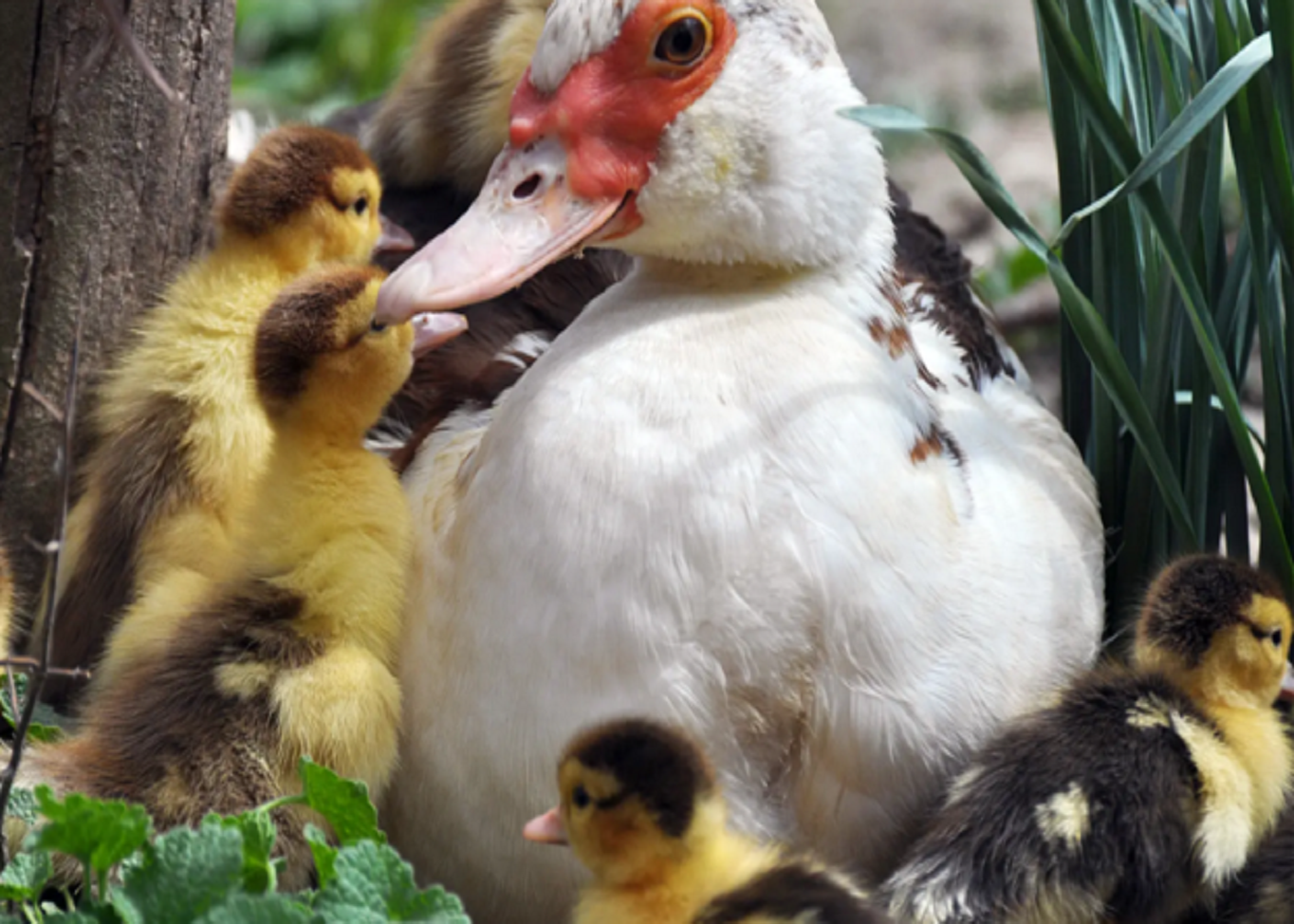
Duck Viral Hepatitis in Ducklings: Clinical Recognition and Differential Diagnosis
A sudden rise in mortality among young ducklings, particularly those under three weeks of age, shoul...
Article
Confirming Duck Viral Hepatitis: Choosing and Interpreting Diagnostic Tests
When young ducklings develop sudden mortality and liver lesions suggestive of duck viral hepatitis (...
Article
Duck Viral Hepatitis Vaccination: Managing Maternal Antibody Interference and Field Efficacy
Vaccination is a key strategy for controlling Duck Viral Hepatitis (DVH), particularly in intensive...