Video
Lactose intolerance in dogs A Fact or A Myth
Lactose intolerance in dogs is often misunderstood in everyday practice. While many pet owners believe all dogs can safely consume milk, gastrointestinal disturbances after dairy intake are frequently reported. This session breaks down the science behind lactose digestion in dogs, explains why some dogs develop intolerance after weaning, and helps differentiate between lactose intolerance and milk allergy.
Designed for veterinary students and junior practitioners, the webinar focuses on recognising clinical signs, taking a proper dietary history, advising clients appropriately, and managing mild to moderate cases in clinical settings. Practical feeding guidance, common myths, and real-world case insights make this session highly relevant for small animal practice.
To know more, download this article
https://www.veterinarypaper.com/pdf/2025/vol10issue6/PartB/10-6-11-854.pdf
Related Contents
Article
Recognising Leptospirosis Across Animal Species: Clinical Presentations and Organ-Specific Changes
A dog presents with fever and systemic illness, while cattle experience reproductive failure without...
Article
Psychogenic Polydipsia in Dogs: Recognising Behavioural Triggers and Clinical Indicators
A dog presents with persistent excessive drinking and urination, yet its physical examination reveal...
Article
Diagnostic Approach to Canine PU/PD: Differentiating Primary Polydipsia from Primary Polyuria
Persistent excessive drinking and urination can be the presenting signs of several conditions in dog...
.jpg)
Upcoming Event
Culture-Guided Treatment of UTIs in Dogs and Cats
Make informed antibiotic choices in canine and feline UTIs with a culture-guided approach. Explore h...
Article
Managing Psychogenic Polydipsia in Dogs: Water Intake, Behavioural Therapy and Pharmacological Intervention
Once psychogenic polydipsia (PPD) has been identified, management needs to address more than the vol...
Article
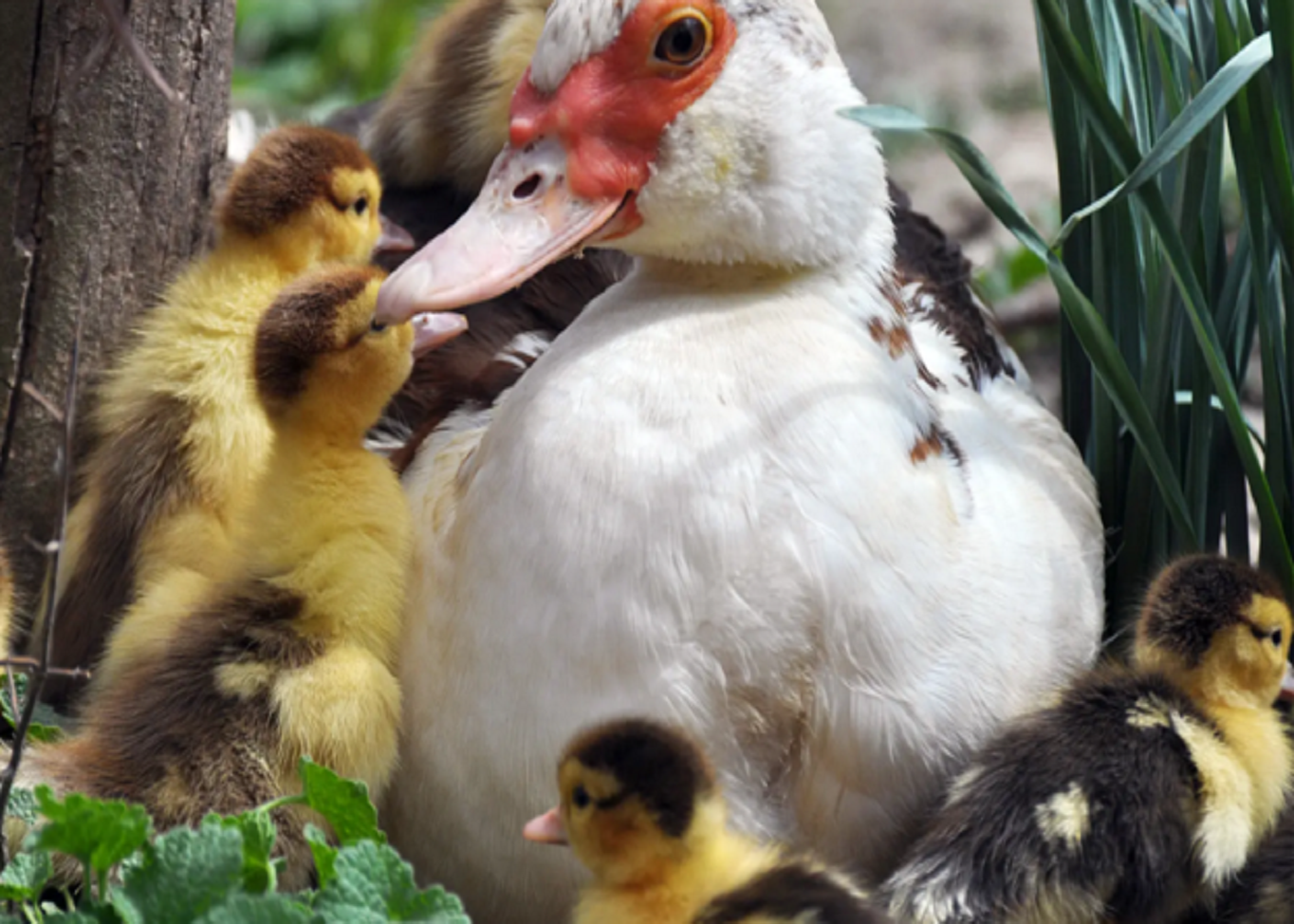
Duck Viral Hepatitis in Ducklings: Clinical Recognition and Differential Diagnosis
A sudden rise in mortality among young ducklings, particularly those under three weeks of age, shoul...
Article
Confirming Duck Viral Hepatitis: Choosing and Interpreting Diagnostic Tests
When young ducklings develop sudden mortality and liver lesions suggestive of duck viral hepatitis (...
Article
Duck Viral Hepatitis Vaccination: Managing Maternal Antibody Interference and Field Efficacy
Vaccination is a key strategy for controlling Duck Viral Hepatitis (DVH), particularly in intensive...