Article
How to Formulate a Clinical Nutrition Plan for Compromised Ruminants
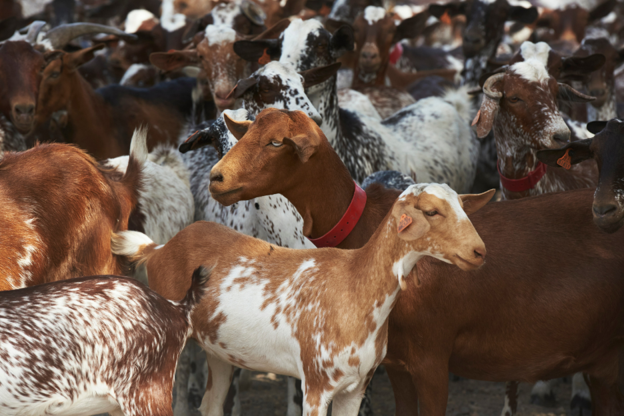
An effective clinical nutrition plan is an integral part of managing compromised ruminants. Illness and injury trigger profound metabolic and physiological changes that alter nutrient requirements, reduce appetite, and impair normal digestive function. As production declines, nutrients are redirected towards supporting immune responses, tissue repair, and maintenance of vital body functions. Consequently, nutritional management should be tailored to the individual patient rather than simply following recommendations designed for healthy livestock. A well-designed clinical nutrition plan aims to minimize the loss of body reserves, support rumen function, promote recovery, and facilitate a timely return to health and productivity1.
Begin with a Thorough Patient Assessment
Once the need for clinical nutrition has been identified, the first step is a comprehensive assessment of the patient. Every nutritional plan should be individualized because the requirements of compromised ruminants vary according to both the disease process and the physiological status of the animal.
Key factors that should be evaluated include1:
- Age
- Body weight
- Body condition score (BCS)
- Degree and duration of inappetence
- Growth rate
- Level of activity
- Locomotion score
- Production stage
- Reproductive status
Considering these factors helps determine the patient's nutritional priorities and provides the foundation for selecting an appropriate feeding strategy.
Calculate Nutrient Requirements According to the Clinical Condition
Nutritional requirements during illness differ from those of healthy animals. While growth and production may decrease or cease, nutrient demands often increase because of immune activation and metabolic adaptations associated with disease. In ruminants, these calculations should also consider the nutritional needs of the rumen microbiota, which play a central role in digestion and recovery.
Energy provision should primarily meet the animal's net energy requirement for maintenance (NEm). As a practical guideline, total dry matter intake should generally not exceed 2–3% of body weight per day, while still accounting for physiological demands such as lactation or late pregnancy. Increasing dietary fat can improve energy density, but total fat should remain within 5–7% of dietary dry matter to preserve normal rumen fermentation and fiber digestion1.
Disease severity should also influence energy calculations. Energy requirements may increase following elective surgery, heat stress, acute liver failure, nutrient losses, fractures, severe muscle trauma, major infections, sepsis, toxemia, peritonitis, or burns. In addition, metabolic rate may increase by 5–13% for every 1°C increase in body temperature, while activated leukocytes substantially increase their energy consumption1,2,3,4.
Provide Adequate Protein to Limit Catabolism
Protein management becomes particularly important during illness because compromised ruminants experience increased protein catabolism and nitrogen losses. Without adequate dietary protein, continued mobilization of muscle tissue may delay recovery and prolong convalescence.
Under normal conditions, mature ruminants require approximately 1–3 g of protein/kg body weight, whereas neonatal ruminants require 2–4 g/kg body weight. These requirements are likely to increase during illness. Highly digestible protein sources should be selected while avoiding dietary changes that may disrupt normal digestive function. Particular attention should be given to amino acids such as arginine, branched-chain amino acids (isoleucine, leucine and valine), glutamine, and sulfur-containing amino acids including lysine and methionine.
Compromised calves deserve special consideration. Although their overall protein requirements remain similar to those of healthy calves, reduced voluntary feed intake and increased nitrogen excretion mean that the dietary protein concentration should be increased to ensure adequate protein intake1,5.
Introduce Nutritional Support Gradually
Once nutrient requirements have been estimated, nutritional support should be introduced progressively rather than abruptly. Delivering the full calculated ration immediately may overwhelm an already compromised digestive system and increase the risk of refeeding syndrome.
For acutely compromised ruminants, nutritional support should begin at approximately 50% of the daily requirement, followed by daily increases of 20% until the full requirement is achieved. Animals with chronic disease should begin at approximately 25% of their calculated requirement, with intake increasing by 25% each day until the target is reached. Meals should be offered 2–6 times daily to encourage voluntary intake while avoiding excessive gastrointestinal loading. When liquid diets are used, each feeding should generally not exceed 1.5 L per 100 kg body weight.
A gradual feeding approach allows both the patient and the rumen to adapt safely while reducing the likelihood of nutritional complications1,6,7.
Consider Medication–Nutrient Interactions
Compromised ruminants frequently receive multiple medications alongside nutritional therapy. These treatments can interact with nutrients and influence their absorption, metabolism, efficacy, or toxicity. For example, ionophores may increase the risk of copper toxicosis, particularly in sheep, while orally administered tetracyclines may have reduced absorption when given with calcium-rich or high crude protein diets. Such interactions become even more important when gastrointestinal integrity has already been compromised, making nutritional planning an essential component of the overall treatment strategy1,8.
Practical Clinical Insights
An effective clinical nutrition plan begins with understanding the patient rather than the diet alone. Careful assessment of body condition, appetite, physiological stage, disease severity, and digestive function allows nutritional support to be tailored to the individual animal. Calculating appropriate energy and protein requirements, introducing feeding gradually, and accounting for concurrent medications help create a balanced nutritional strategy that supports rumen function, minimizes metabolic stress, and complements the treatment of the underlying disease. Rather than being a standard feeding protocol, clinical nutrition should remain a dynamic component of case management that evolves with the patient's clinical progress.
References
- Teixeira Rodrigues de Almeida S, Caetano M, Kirkwood RN, Petrovski KR. The Basics of Clinical Nutrition for Compromised Ruminants—A Narrative Review. Ruminants. 2025 Oct 23;5(4):51. https://www.mdpi.com/2673-933X/5/4/51
- Sahoo A. Clinical nutrition and therapeutic diets: New opportunities in farm animal practice. EC Veterinary Science. 2020;5(4):12-29. https://www.researchgate.net/profile/Artabandhu-Sahoo/publication/344899570
- Clark A, Imran J, Madni T, Wolf SE. Nutrition and metabolism in burn patients. Burns & trauma. 2017 Dec 1;5. https://academic.oup.com/burnstrauma/article-pdf/doi/10.1186/s41038-017-0076-x/34865283/burns_v5_1_76.pdf
- Smith-Ryan AE, Hirsch KR, Saylor HE, Gould LM, Blue MN. Nutritional considerations and strategies to facilitate injury recovery and rehabilitation. Journal of athletic training. 2020 Sep 1;55(9):918-30. https://pmc.ncbi.nlm.nih.gov/articles/PMC7534941/pdf/i1062-6050-55-9-918.pdf
- Gouvêa VN, Cooke RF, Marques RS. Impacts of stress-induced inflammation on feed intake of beef cattle. Frontiers in Animal Science. 2022 Nov 15;3:962748. https://www.frontiersin.org/journals/animal-science/articles/10.3389/fanim.2022.962748/pdf
- Shakespeare AS. Rumen management during aphagia. Journal of the South African Veterinary Association. 2008;79(3):106-12. https://www.scielo.org.za/pdf/jsava/v79n3/01.pdf
- Luethy D, Stefanovski D, Sweeney RW. Refeeding syndrome in small ruminants receiving parenteral nutrition. Journal of veterinary internal medicine. 2020 Jul 1;34(4):1674-9. https://academic.oup.com/jvim/article-pdf/34/4/1674/66660907/jvim15840.pdf
- Granados-Chinchilla F, Rodríguez C. Bioavailability of in-feed tetracyclines is influenced to a greater extent by crude protein rather than calcium. Animal Feed Science and Technology. 2014 Dec 1;198:323-32. https://www.kerwa.ucr.ac.cr/bitstreams/c1993edf-561e-4815-8ac9-ca937c4afddc/download
Related Contents

Article
FGF-23 in Feline CKD: An Early Signal of Phosphate Dysregulation
A cat with early chronic kidney disease (CKD) may have a normal serum phosphate concentration. Does...

Article
Albuminuria or Transferrinuria? Reading the Glomerular Signal in Feline CKD
A cat can have chronic kidney disease (CKD) with only mild proteinuria. So, when urinary protein is...
Article
Tubular Injury Biomarkers in Feline CKD: What Can NGAL, KIM-1 and L-FABP Tell You?
When feline CKD is already suspected, identifying reduced renal function is only part of the clinica...

Article
Can Renal Fibrosis Biomarkers Reveal CKD Progression in Cats?
Chronic kidney disease in cats is not only a problem of declining renal function. Structural changes...
Article
When Creatinine May Not Tell the Full Story in Feline Acute Kidney Injury
Serum creatinine is routinely used with changes in urine output to diagnose and grade Acute Kidney I...

Article
When a Normal-Looking Udder Hides Mastitis: Recognising Subclinical Mastitis in Buffaloes
A buffalo can appear clinically normal while mastitis is already affecting the udder and milk produc...
Article
Buffalo Subclinical Mastitis: Which Risk Factors Should Vets Investigate?
When subclinical mastitis (SCM) keeps appearing in a buffalo herd, looking only at the affected anim...
Article
Diagnosing Subclinical Mastitis in Buffaloes: From SCC and CMT to Molecular Tests
Subclinical mastitis (SCM) can remain hidden because the buffalo may show no obvious udder or milk a...