Video
Diagnostic Approach to the Anaemic Small Animals
Anaemia is a common clinical finding in small animal practice and may result from blood loss, haemolysis, or impaired erythrocyte production. A structured diagnostic approach begins with a thorough history and physical examination, followed by interpretation of complete blood count, packed cell volume, reticulocyte count, blood smear evaluation, serum biochemistry, and urinalysis. Differentiating regenerative from non-regenerative anaemia is fundamental to narrowing differential diagnoses. Infectious diseases, immune-mediated disorders, chronic inflammatory conditions, nutritional deficiencies, neoplasia, endocrine diseases, and bone marrow disorders should all be considered during investigation. Integrating clinical findings with laboratory results enables accurate diagnosis and guides appropriate case management in both canine and feline patients.
Download the attached review article to explore a systematic diagnostic approach to anaemia in dogs and cats, including laboratory interpretation and differential diagnosis.
https://doi.org/10.12681/jhvms.15529
Related Contents
Article
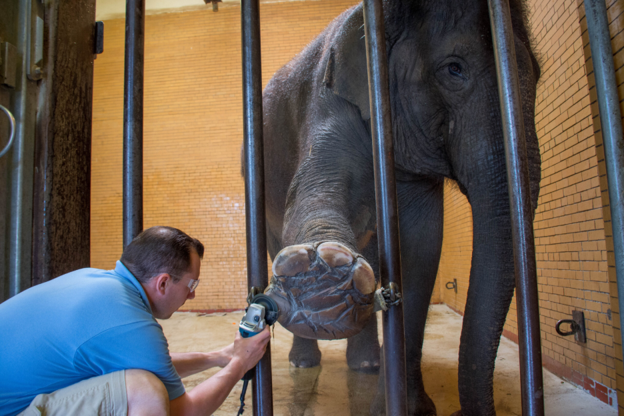
Elephant Foot Health: Detecting Problems Before Lameness
Foot problems in elephants do not necessarily begin with obvious lameness. By the time an elephant i...
Article
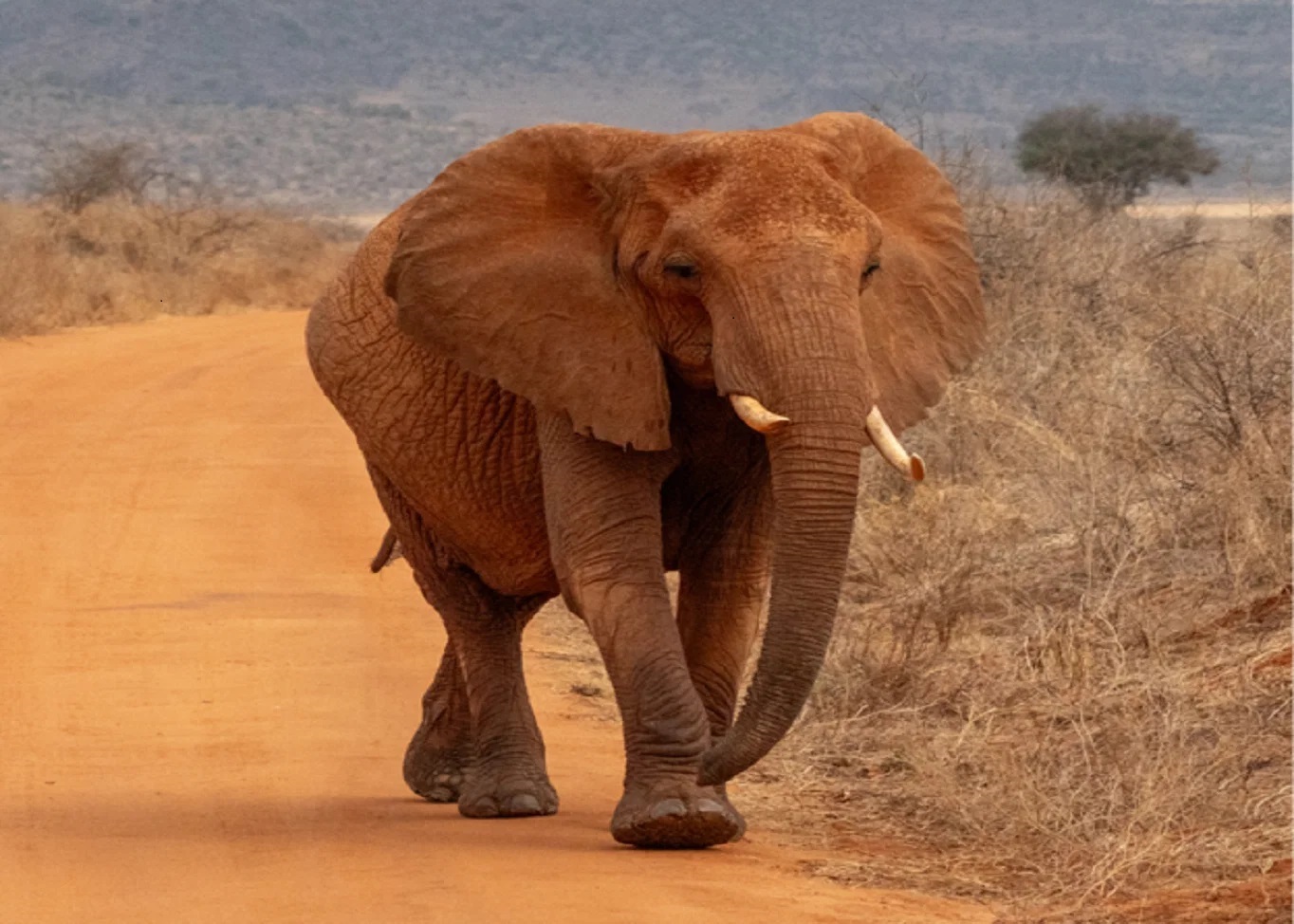
When an Elephant’s Behaviour Changes: Recognising Clinically Relevant Patterns
A change in an elephant’s behaviour can be easy to dismiss as temperament. It can also...

Article
Is It Normal for This Elephant? Building an Individual Health Baseline
For a long-lived animal, a single health assessment provides only a snapshot. A more useful c...

Article
Body Condition in Asian Elephants: When Does Change Become Clinically Relevant?
Body condition is often recorded during routine elephant health assessments. Its clinical value, how...

Article
EEHV in Asian Elephant Calves: Recognising the Early Clinical Picture
Elephant endotheliotropic herpesvirus (EEHV) is an important cause of fatal haemorrhagic disease in...

Article
Gastrointestinal Parasites in Asian Elephants: Interpreting Faecal Findings
A positive faecal examination confirms the detection of parasite stages in the sample. It does not,...
Article
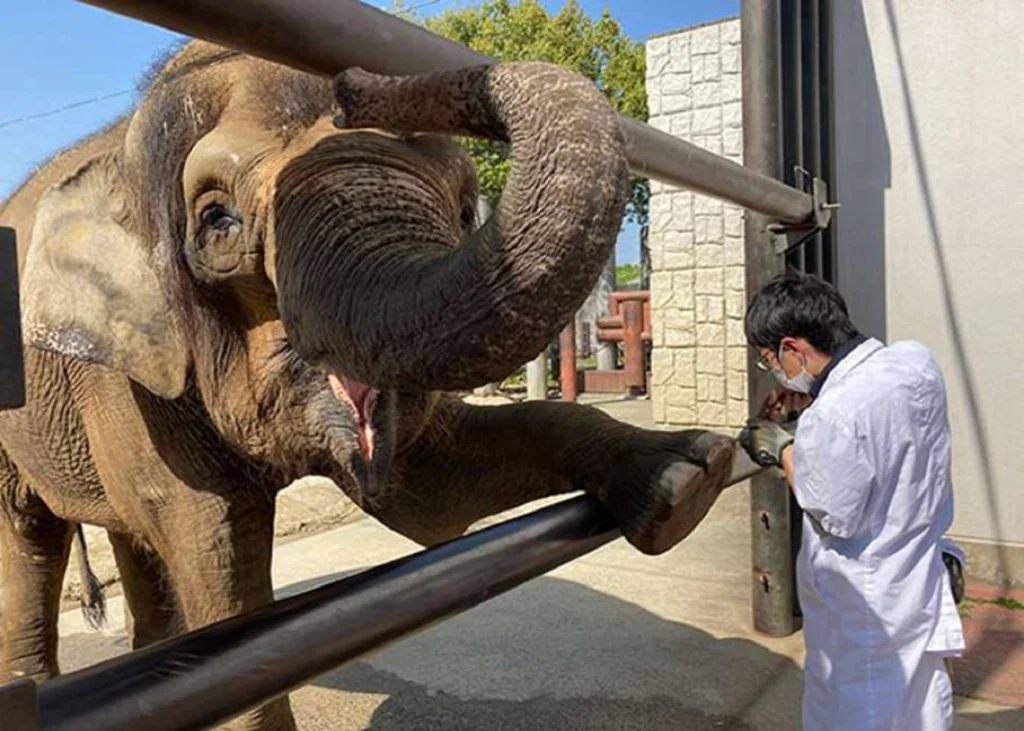
Tuberculosis in Asian Elephants: Interpreting Screening Results in Context
Tuberculosis surveillance in elephants presents a fundamental diagnostic challenge: a test result is...
Article
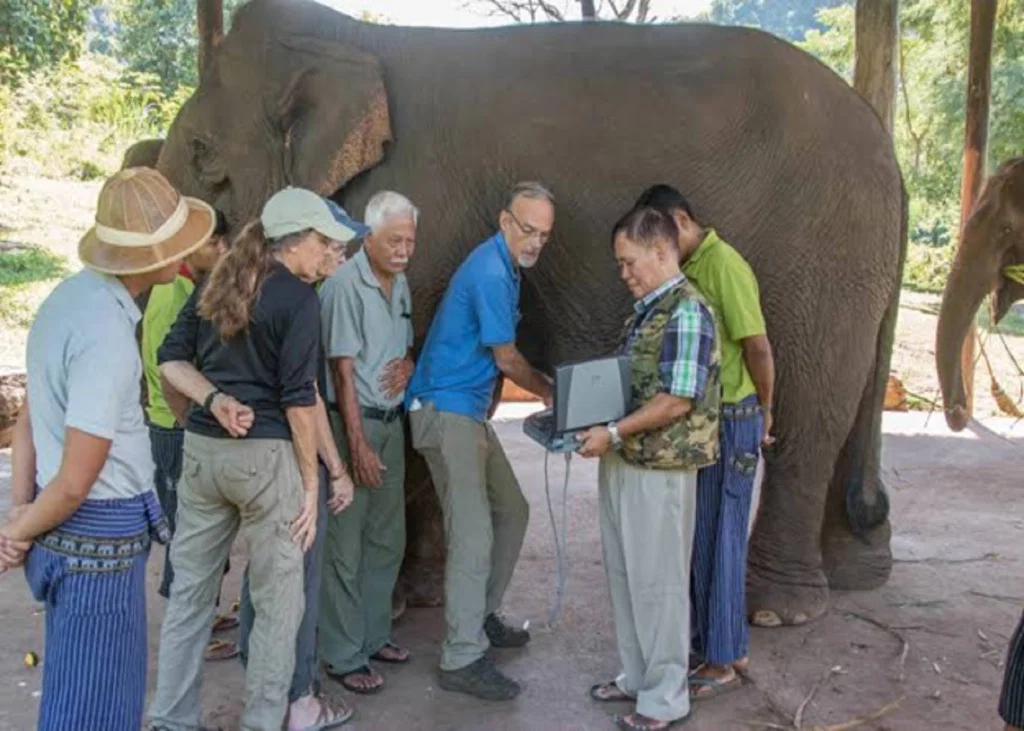
Pregnancy Monitoring in Asian Elephants: Interpreting Ultrasound and Hormonal Findings
Confirming pregnancy is only the beginning of reproductive monitoring in an elephant. With a...