Video
Neonatology: The Crucial First Two Weeks of Life
The neonatal period, particularly the first 14 days of life, is one of the most vulnerable stages in a puppy's development. During this time, rapid physiological adaptations occur as neonates transition from intrauterine to extrauterine life. This webinar explores essential aspects of canine neonatology, including normal developmental milestones, thermoregulation, nutritional requirements, glucose metabolism, organ system maturation, and the recognition of fading puppy syndrome. Participants will gain practical insights into monitoring neonatal health, identifying early warning signs of disease, and implementing timely interventions to improve survival and welfare. The session emphasizes clinically relevant approaches for supporting healthy neonatal development and reducing early-life mortality.
https://www.mdpi.com/2076-2615/14/23/3417
Related Contents

Upcoming Event
Canine Pyoderma: Antibiotic Selection and Treatment Failure
Strengthen your approach to canine pyoderma with informed antibiotic selection and appropriate diagn...
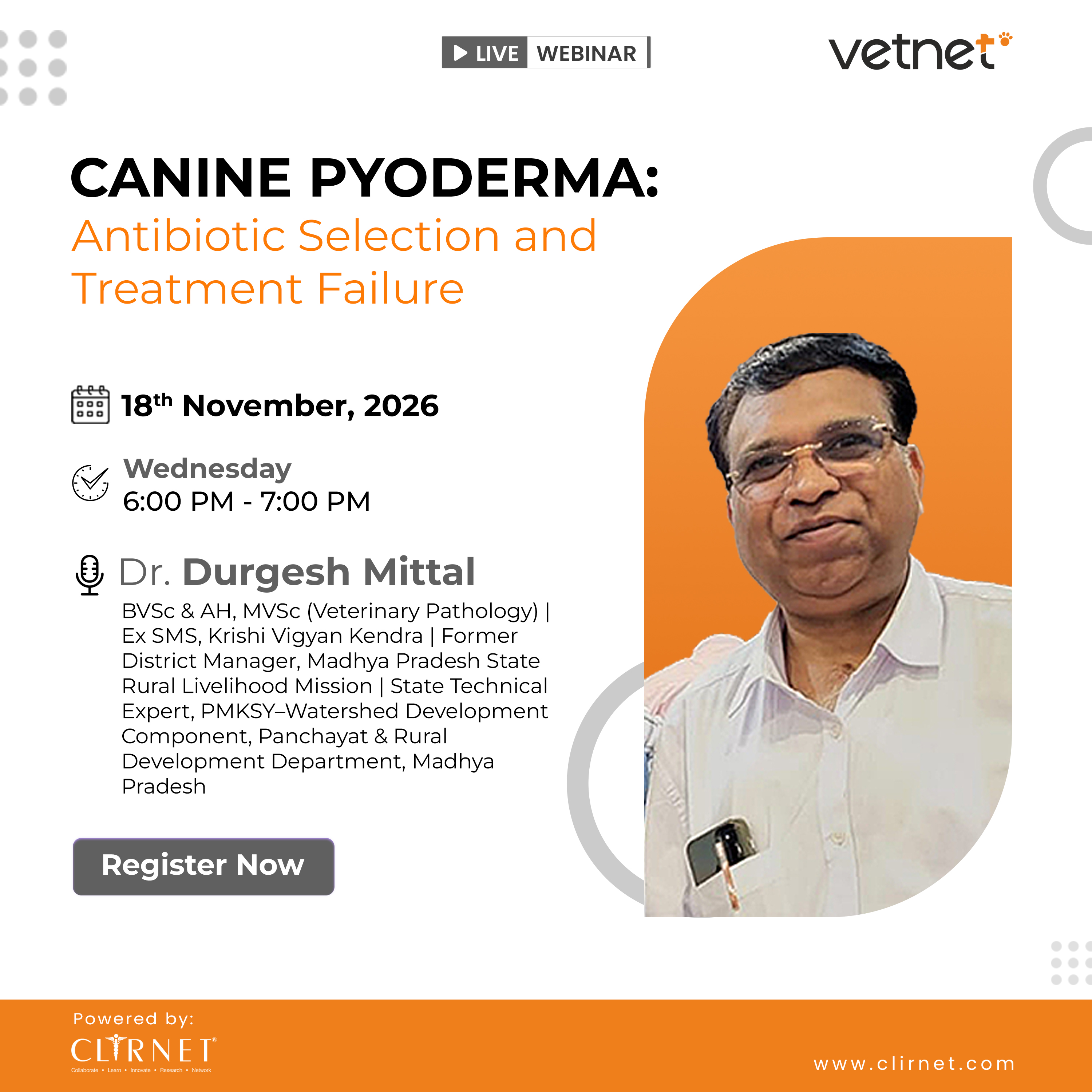
Upcoming Event
Canine Pyoderma: Antibiotic Selection and Treatment Failure
Explore antibiotic selection, treatment challenges and approaches to managing canine pyoderma cases...
Article
Recognising Leptospirosis Across Animal Species: Clinical Presentations and Organ-Specific Changes
A dog presents with fever and systemic illness, while cattle experience reproductive failure without...
Article
Psychogenic Polydipsia in Dogs: Recognising Behavioural Triggers and Clinical Indicators
A dog presents with persistent excessive drinking and urination, yet its physical examination reveal...
Article
Diagnostic Approach to Canine PU/PD: Differentiating Primary Polydipsia from Primary Polyuria
Persistent excessive drinking and urination can be the presenting signs of several conditions in dog...
.jpg)
Upcoming Event
Culture-Guided Treatment of UTIs in Dogs and Cats
Make informed antibiotic choices in canine and feline UTIs with a culture-guided approach. Explore h...
Article
Managing Psychogenic Polydipsia in Dogs: Water Intake, Behavioural Therapy and Pharmacological Intervention
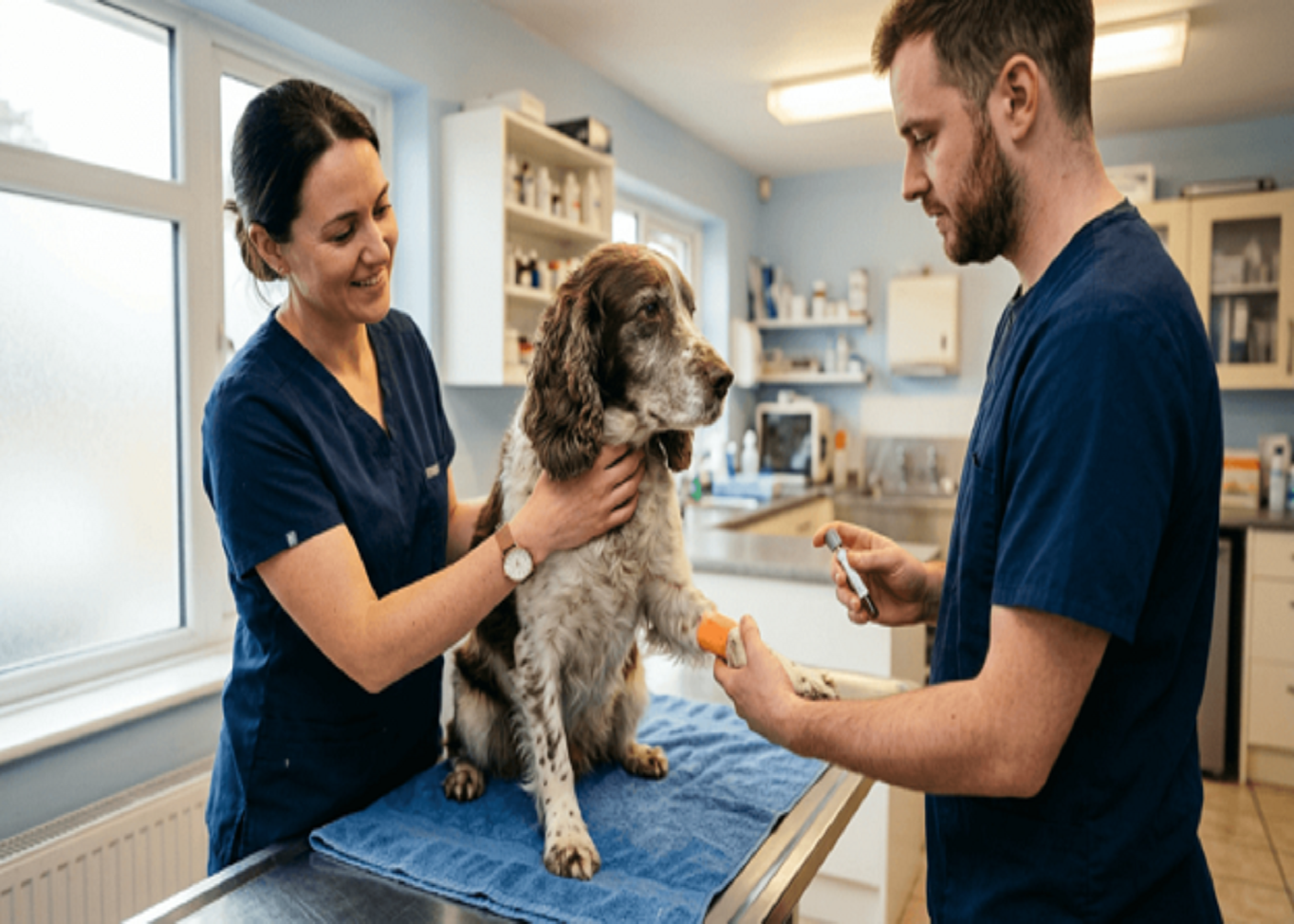
Once psychogenic polydipsia (PPD) has been identified, management needs to address more than the vol...
Article
Duck Viral Hepatitis in Ducklings: Clinical Recognition and Differential Diagnosis
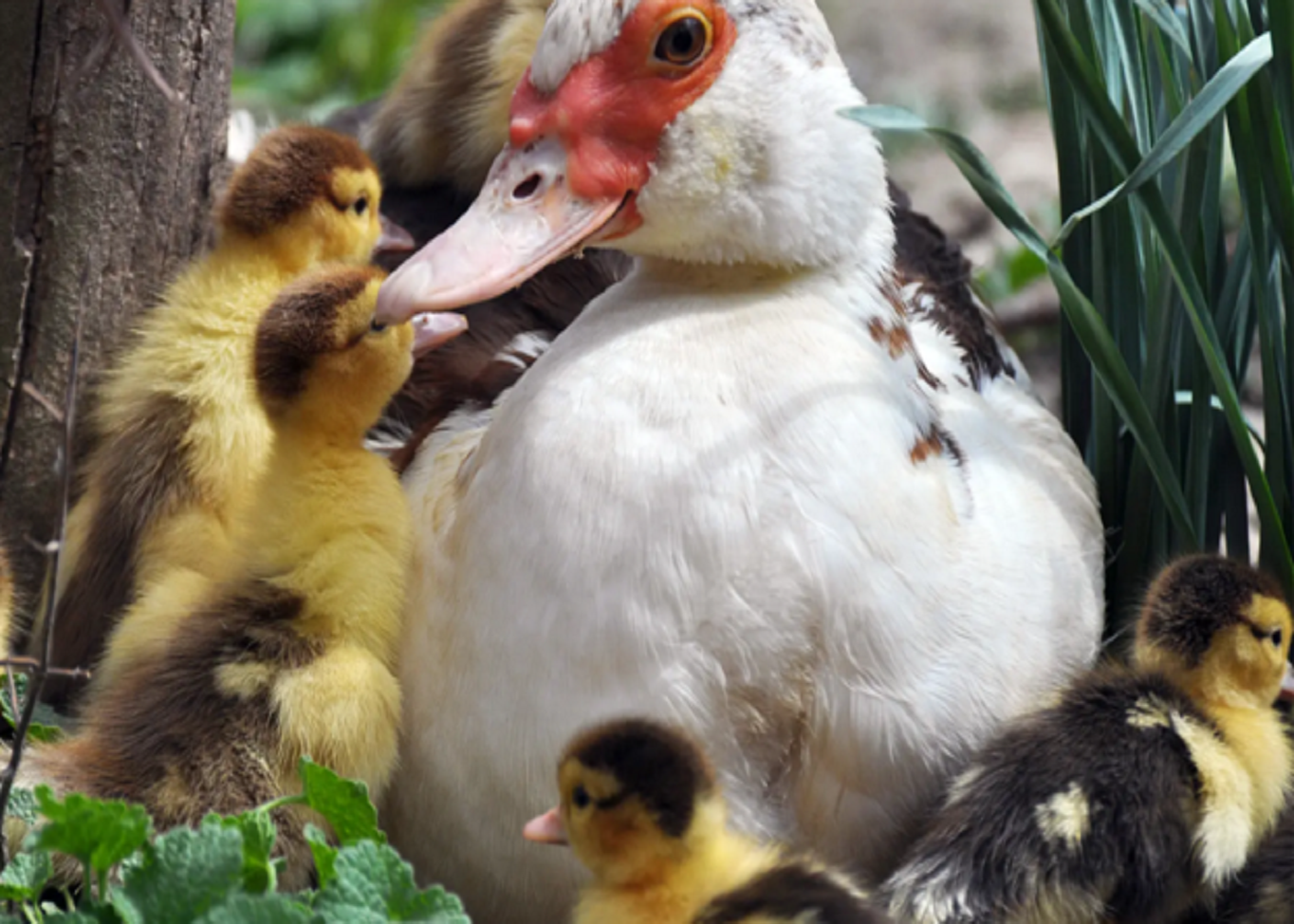
A sudden rise in mortality among young ducklings, particularly those under three weeks of age, shoul...