Article
Emerging Diagnostic and Vaccine Technologies in Newcastle Disease
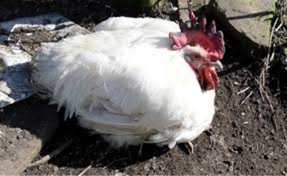
Advances in molecular biology and vaccine technology are reshaping the approach to Newcastle Disease diagnosis and control. These developments are particularly relevant for improving outbreak management and long-term disease prevention.
Advances in Diagnostic Tools
Modern diagnostic approaches such as real-time PCR have significantly improved the speed and sensitivity of ND detection in field conditions. Next-generation sequencing provides an even deeper understanding of viral diversity during outbreaks and helps identify genetic variations that may affect diagnostic accuracy¹.
Innovations in Vaccination
Recent developments include reverse genetics-based vaccines and genotype-matched vaccine strategies. These approaches aim to improve immune protection by targeting circulating field strains more precisely and reducing virus shedding after infection¹.
Practical Significance
These technologies allow for more accurate outbreak characterization and more effective vaccine design, moving towards a precision-based approach in poultry disease control.
Field Implications
While these technologies are still evolving in many regions, they represent the future of Newcastle Disease management, especially in intensive poultry production systems.
References
- Bello MB, Yusoff K, Ideris A, Hair-Bejo M, Peeters BP, Omar AR. Diagnostic and vaccination approaches for Newcastle disease virus in poultry: The current and emerging perspectives. BioMed research international. 2018;2018(1):7278459. https://doi.org/10.1155/2018/7278459
- Mao Q, Ma S, Schrickel PL, Zhao P, Wang J, Zhang Y, Li S, Wang C. Review detection of Newcastle disease virus. Frontiers in veterinary science. 2022 Aug 2;9:936251. https://www.frontiersin.org/journals/veterinaryscience/articles/10.3389/fvets.2022.936251/pdf
Related Contents
Article
Recognising Leptospirosis Across Animal Species: Clinical Presentations and Organ-Specific Changes
A dog presents with fever and systemic illness, while cattle experience reproductive failure without...
Article
Psychogenic Polydipsia in Dogs: Recognising Behavioural Triggers and Clinical Indicators
A dog presents with persistent excessive drinking and urination, yet its physical examination reveal...
Article
Diagnostic Approach to Canine PU/PD: Differentiating Primary Polydipsia from Primary Polyuria
Persistent excessive drinking and urination can be the presenting signs of several conditions in dog...
.jpg)
Upcoming Event
Culture-Guided Treatment of UTIs in Dogs and Cats
Make informed antibiotic choices in canine and feline UTIs with a culture-guided approach. Explore h...
Article
Managing Psychogenic Polydipsia in Dogs: Water Intake, Behavioural Therapy and Pharmacological Intervention
Once psychogenic polydipsia (PPD) has been identified, management needs to address more than the vol...
Article
Duck Viral Hepatitis in Ducklings: Clinical Recognition and Differential Diagnosis
A sudden rise in mortality among young ducklings, particularly those under three weeks of age, shoul...
Article
Confirming Duck Viral Hepatitis: Choosing and Interpreting Diagnostic Tests
When young ducklings develop sudden mortality and liver lesions suggestive of duck viral hepatitis (...
Article
Duck Viral Hepatitis Vaccination: Managing Maternal Antibody Interference and Field Efficacy
Vaccination is a key strategy for controlling Duck Viral Hepatitis (DVH), particularly in intensive...