Article
When Rabies is Suspected, What Happens Next? Why Veterinary Surveillance Needs a One Health Approach
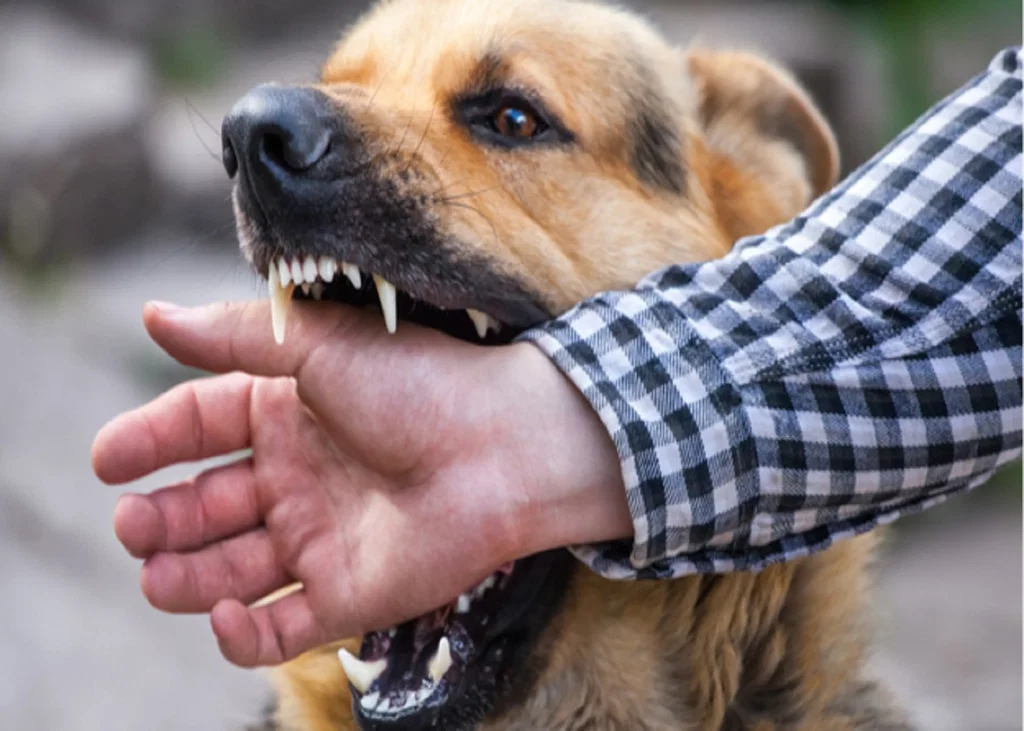
A dog shows neurological signs. A cat has bitten someone. A cluster of animal exposures is reported from the same neighbourhood.
What happens next?
For rabies, the answer cannot depend on one clinic, one laboratory or one department. Effective control depends on connecting information from animal health, human health, environmental health and other relevant sectors[1]˒[3].
That is the practical meaning of a One Health approach.
The surveillance gap starts with missing information
Rabies surveillance remains challenging in many endemic regions. Under-reporting, limited diagnostic capacity and fragmented data can make it difficult to determine the true burden of disease[2]˒[3].
For veterinarians, this creates a practical problem: a suspected case may remain an isolated clinical event when it could actually be part of a larger epidemiological pattern.
Consider the information that can matter during an investigation:
- Was the animal vaccinated?
- Is its vaccination history documented?
- Where did the animal live or roam?
- Was there contact with other animals?
- Were there previous suspected cases in the area?
- Were humans exposed?
- Are similar neurological cases being reported nearby?
Individually, each piece of information may seem small. Collectively, they can help identify a transmission pattern.
Clinical suspicion needs laboratory support
Clinical assessment remains important, but laboratory confirmation is critical for effective surveillance.
The literature highlights the limited laboratory diagnostic capacity in many rabies-endemic areas, particularly outside major cities. Strengthening laboratories and improving access to appropriate diagnostic methods are therefore important components of rabies control[2]˒[3].
The 2025 review identifies methods including direct fluorescent antibody testing, direct rapid immunohistochemical testing and real-time RT-PCR among approaches used for rabies diagnosis[2].
For veterinarians, this means that suspected cases should not simply disappear into the clinical record. Appropriate reporting, specimen management and coordination with diagnostic laboratories can determine whether a single suspected case contributes to meaningful surveillance data.
One case can trigger a much bigger response
A suspected rabies case can involve far more than the animal presented to the veterinarian.
The “Baiyun Model” described in the 2025 review provides a useful illustration. Following a suspected human rabies case associated with cats, multiple departments became involved—including public health authorities, veterinary and agricultural departments, laboratories, hospitals, local authorities and other stakeholders[2].
The response included investigation of animal exposures, testing of animals, vaccination of nearby animals, vaccination and prophylaxis for exposed people, environmental measures and community awareness activities[2].
The important lesson is not the specific model itself. It is the speed and connectivity of the response.
Data sharing is not an administrative exercise
One Health can sound like a policy-level concept, but its success depends on very practical actions.
South Asian countries often lack formal mechanisms for sharing information between human health, animal health, agriculture and environmental sectors[3].
Veterinary data can therefore become especially valuable when it is systematically captured and shared.
Vaccination records, animal population estimates, suspected cases, laboratory results and exposure information can help build a clearer picture of local rabies risk[3].
Better data can then support better decisions—where vaccination campaigns should be strengthened, where surveillance needs improvement and where outbreak response resources may be required.
Think beyond the clinic
Rabies does not respect departmental boundaries—or geographic ones.
Domestic animals and wildlife can participate in interconnected transmission cycles, while movement of infected animals can contribute to spread across established geographic areas[2].
That makes veterinary surveillance an important early-warning system.
The veterinarian's role therefore extends beyond recognizing a potentially rabid animal. It includes documenting, reporting, coordinating, supporting diagnostic investigation and connecting animal-level observations with population-level risk.
The takeaway
A rabies-control system is only as strong as its weakest information link.
Better surveillance, stronger laboratory capacity, standardized reporting and timely data sharing can turn individual veterinary encounters into actionable public-health intelligence.
For veterinarians, One Health is not simply about working alongside other sectors. It is about making sure that what happens in the animal population is visible to everyone who needs to act.
References:
- Acharya KP, Acharya N, Phuyal S, Upadhyaya M, Lasee S. One-health approach: A best possible way to control rabies. One Health. 2020 Dec 1;10:100161. https://doi.org/10.1016/j.onehlt.2020.100161
- Zha R, Lu J, Chen J, Guo C, Lu J. Exploring one health-based strategies for rabies elimination: Overview and future prospects. PLOS Neglected Tropical Diseases. 2025 Jun 18;19(6):e0013159. https://doi.org/10.1371/journal.pntd.0013159
- Acharya KP, Subedi D, Wilson RT. Rabies control in South Asia requires a One Health approach. One health. 2021 Jun 1;12:100215. https://doi.org/10.1016/j.onehlt.2021.100215
Related Contents
Article
Elephant Foot Health: Detecting Problems Before Lameness
Foot problems in elephants do not necessarily begin with obvious lameness. By the time an elephant i...
Article
When an Elephant’s Behaviour Changes: Recognising Clinically Relevant Patterns
A change in an elephant’s behaviour can be easy to dismiss as temperament. It can also...
Article
Is It Normal for This Elephant? Building an Individual Health Baseline
For a long-lived animal, a single health assessment provides only a snapshot. A more useful c...
Article
Body Condition in Asian Elephants: When Does Change Become Clinically Relevant?
Body condition is often recorded during routine elephant health assessments. Its clinical value, how...
Article
EEHV in Asian Elephant Calves: Recognising the Early Clinical Picture
Elephant endotheliotropic herpesvirus (EEHV) is an important cause of fatal haemorrhagic disease in...
Article
Gastrointestinal Parasites in Asian Elephants: Interpreting Faecal Findings
A positive faecal examination confirms the detection of parasite stages in the sample. It does not,...
Article
Tuberculosis in Asian Elephants: Interpreting Screening Results in Context
Tuberculosis surveillance in elephants presents a fundamental diagnostic challenge: a test result is...
Article
Pregnancy Monitoring in Asian Elephants: Interpreting Ultrasound and Hormonal Findings
Confirming pregnancy is only the beginning of reproductive monitoring in an elephant. With a...