Article
Epileptic Seizures or Seizure-Like Episodes? A Practical Approach in Cats
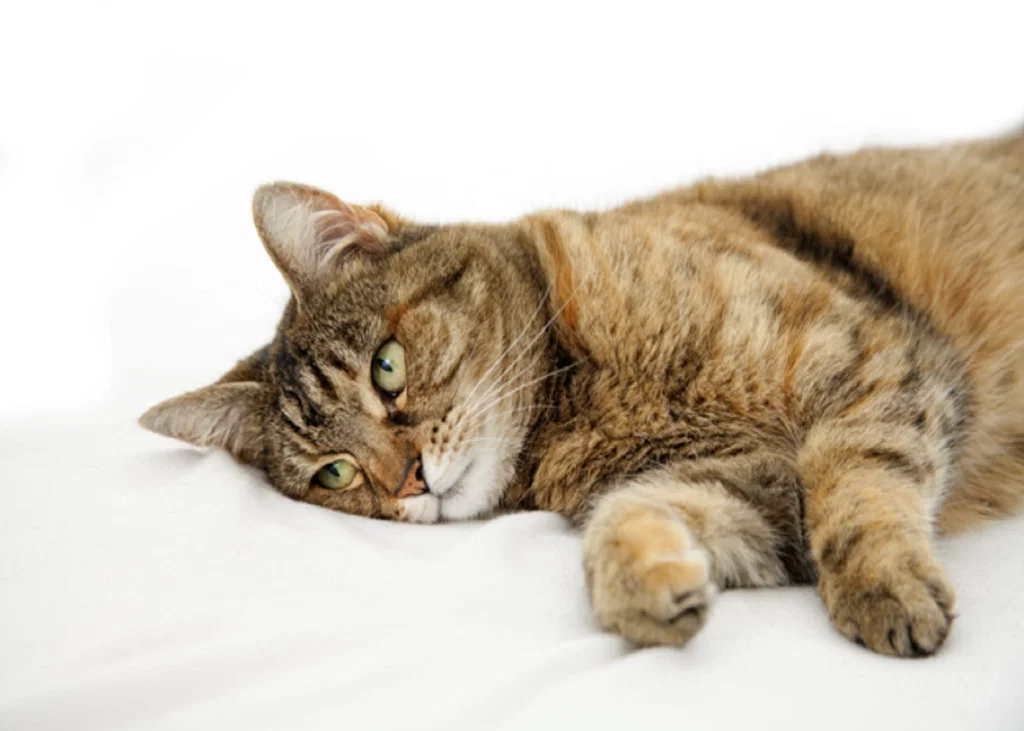
A cat suddenly collapses, paddles its limbs, vocalises or becomes unresponsive. Is it an epileptic seizure, or something that only looks like one?
That distinction matters because not every abnormal episode represents abnormal cerebral electrical activity. Syncope, vestibular disease, tremors, and paroxysmal dyskinesias can produce dramatic clinical signs but require a different diagnostic approach. A careful history, particularly a video of the episode, can provide the first important clue.
Start With the Episode Itself
The first step is to establish exactly what happens before, during and after the event.
Epileptic seizures may have pre- and postictal phases and frequently include autonomic signs such as salivation, urination, or defecation. In contrast, syncope is characterised by sudden collapse and loss of consciousness followed by spontaneous recovery, without a motor component during collapse.
Vestibular episodes have different patterns. Head tilt, ataxia, falling, circling, pathological nystagmus and strabismus point towards vestibular disease rather than epilepsy. Vomiting or salivation may occur because of nausea[2].
Tremors and paroxysmal dyskinesias can be particularly challenging because the movements may appear dramatic. However, consciousness is not impaired; episodes may last longer than a typical epileptic seizure, and autonomic signs are usually absent[3],[4].
What Does an Epileptic Seizure Look Like?
Once epilepsy is suspected, identifying the seizure pattern can help localise the abnormal activity.
Focal seizures affect one part of the brain and may produce abnormal movement in one part of the body. Facial or eyelid twitching, chewing movements, or abnormal neck or limb movements may occur, with dilated pupils often observed.
Complex focal seizures combine abnormal motor activity with impaired consciousness. Vocalisation, including loud meowing or growling, may also occur.
Generalised epileptic seizures typically involve peracute collapse, loss of consciousness and tonic and/or clonic movements affecting all limbs.
Other patterns include myoclonic seizures, characterised by myoclonic jerks, and absence seizures, which are generalised non-convulsive seizures.
Feline audiogenic reflex seizures are another distinctive presentation, in which auditory stimuli trigger seizures. Generalised tonic–clonic and absence seizures may occur, while myoclonic seizures are characteristic of this syndrome[5].
Why the History Matters
A detailed description of the episode can substantially narrow the differential diagnosis. Video recordings are particularly valuable and are recommended whenever possible.
The history may also provide clues about the underlying cause once an epileptic seizure is established. For example, published findings indicate that cats with salivation during an epileptic seizure were more likely to have idiopathic epilepsy, whereas vocalisation was more commonly associated with structural epilepsy[6]. These findings should be interpreted as supportive clues rather than diagnostic criteria.
The events between seizures are equally important. Changes such as altered interaction with people or other animals, increased or decreased vocalisation, reduced grooming, inappropriate toileting, head pressing or compulsive pacing or circling may suggest forebrain disease.
Visual deficits or apparent unawareness of stimuli on one side of the body, such as consistently eating from only one side of a bowl, may also be relevant.
Practical Approach in Practice
When presented with a cat having episodic abnormal behaviour or movement:
- Obtain a video whenever possible.
- Establish whether consciousness is impaired.
- Look for a pre- or postictal phase.
- Check for autonomic signs such as salivation, urination or defecation.
- Characterise the motor pattern and its distribution.
- Ask about behavioural or neurological changes between episodes.
The key clinical question is not simply “Does this look like a seizure?”
It is “Does the complete episode fit an epileptic seizure better than its important mimics?”
That distinction provides a more reliable starting point for deciding which diagnostic pathway should follow.
References:
- Kraus MS. Clinical approach to syncope. InBSAVA manual of canine and feline cardiorespiratory medicine 2010 Mar 31 (pp. 15-19). BSAVA Library. https://www.bsavalibrary.com/content/chapter/10.22233/9781905319534.chap3?crawler=true&mimetype=application/pdf
- Grapes NJ, Taylor-Brown FE, Volk HA, De Decker S. Clinical reasoning in feline vestibular syndrome: Which presenting features are the most important? Journal of feline medicine and surgery. 2021 Aug;23(8):669-78. https://journals.sagepub.com/doi/pdf/10.1177/1098612X20970869
- James M, Garosi L, Bessant C, Lowrie M. Phenotypic characterisation of paroxysmal dyskinesia in Sphynx cats. Journal of feline medicine and surgery. 2022 Jun;24(6):500-5. https://journals.sagepub.com/doi/pdf/10.1177/1098612X211032123
- Liatis T, Bhatti SF, De Decker S. Tremors in cats: 105 cases (2004–2023). The Veterinary Journal. 2025 Feb 1;309:106292. https://www.sciencedirect.com/science/article/pii/S1090023324002314
- Lowrie M, Bessant C, Harvey RJ, Sparkes A, Garosi L. Audiogenic reflex seizures in cats. Journal of Feline Medicine and Surgery. 2016 Apr;18(4):328-36. https://journals.sagepub.com/doi/pdf/10.1177/1098612X15582080
- Stanciu GD, Packer RM, Pakozdy A, Solcan G, Volk HA. Clinical reasoning in feline epilepsy: which combination of clinical information is useful?. The Veterinary Journal. 2017 Jul 1;225:9-12. https://rvc-repository.worktribe.com/OutputFile/1392089
Related Contents
Article
FGF-23 in Feline CKD: An Early Signal of Phosphate Dysregulation
A cat with early chronic kidney disease (CKD) may have a normal serum phosphate concentration. Does...
Article
Albuminuria or Transferrinuria? Reading the Glomerular Signal in Feline CKD
A cat can have chronic kidney disease (CKD) with only mild proteinuria. So, when urinary protein is...
Article
Tubular Injury Biomarkers in Feline CKD: What Can NGAL, KIM-1 and L-FABP Tell You?
When feline CKD is already suspected, identifying reduced renal function is only part of the clinica...
Article
Can Renal Fibrosis Biomarkers Reveal CKD Progression in Cats?
Chronic kidney disease in cats is not only a problem of declining renal function. Structural changes...
Article
When Creatinine May Not Tell the Full Story in Feline Acute Kidney Injury
Serum creatinine is routinely used with changes in urine output to diagnose and grade Acute Kidney I...

Article
When a Normal-Looking Udder Hides Mastitis: Recognising Subclinical Mastitis in Buffaloes
A buffalo can appear clinically normal while mastitis is already affecting the udder and milk produc...

Article
Buffalo Subclinical Mastitis: Which Risk Factors Should Vets Investigate?
When subclinical mastitis (SCM) keeps appearing in a buffalo herd, looking only at the affected anim...

Article
Diagnosing Subclinical Mastitis in Buffaloes: From SCC and CMT to Molecular Tests
Subclinical mastitis (SCM) can remain hidden because the buffalo may show no obvious udder or milk a...