Video
How to Deal with an Anorexic Rabbit
Loss of appetite in rabbits is a frequent yet potentially serious concern that demands prompt recognition and appropriate care. This session explores the underlying causes of anorexia in rabbits, including gastrointestinal problems, nutritional imbalances, and systemic illnesses. Evidence-based strategies for early detection, supportive management, and practical owner guidance will be discussed. Real-life scenarios will illustrate how to distinguish between mild, manageable cases and situations requiring urgent veterinary intervention. Designed for veterinarians in general practice or exotic pet care, this discussion equips clinicians with actionable approaches to safeguard rabbit health, optimize recovery, and provide owners with clear, effective advice.
To deepen your understanding of how blood urea nitrogen levels and anorexia can predict poor outcomes in rabbits, download this full study.
https://clirnet-my.sharepoint.com/:b:/p/komal_santoria/IQCKnOKqH4EAT7taPzYkEX5xAVtR7pf9pI6xBrnjkI6MjLU?e=W1rTdd
Related Contents
Article
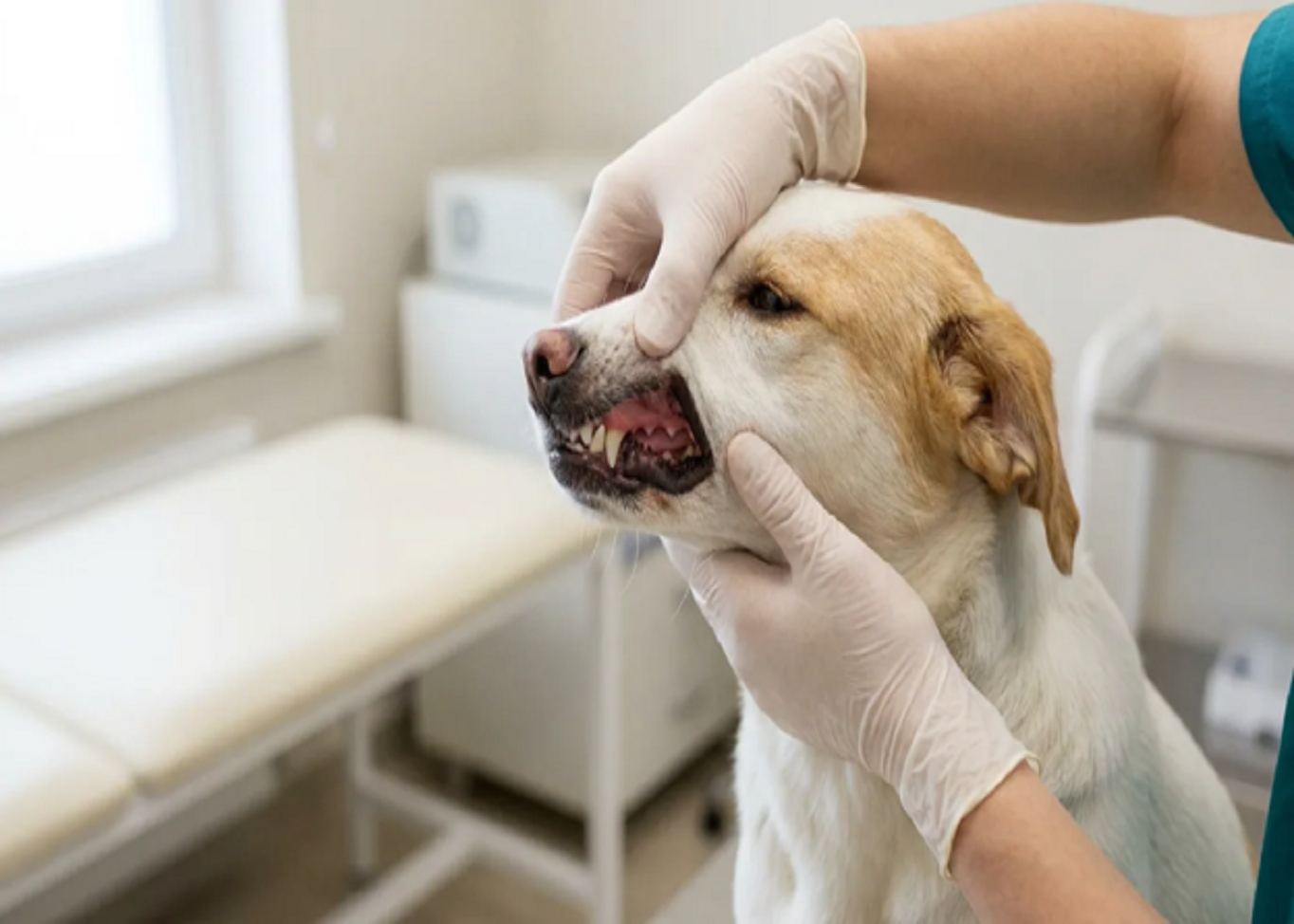
Recognising Leptospirosis Across Animal Species: Clinical Presentations and Organ-Specific Changes
A dog presents with fever and systemic illness, while cattle experience reproductive failure without...
Article
Psychogenic Polydipsia in Dogs: Recognising Behavioural Triggers and Clinical Indicators
A dog presents with persistent excessive drinking and urination, yet its physical examination reveal...

Article
Diagnostic Approach to Canine PU/PD: Differentiating Primary Polydipsia from Primary Polyuria
Persistent excessive drinking and urination can be the presenting signs of several conditions in dog...
.jpg)
Upcoming Event
Culture-Guided Treatment of UTIs in Dogs and Cats
Make informed antibiotic choices in canine and feline UTIs with a culture-guided approach. Explore h...
Article
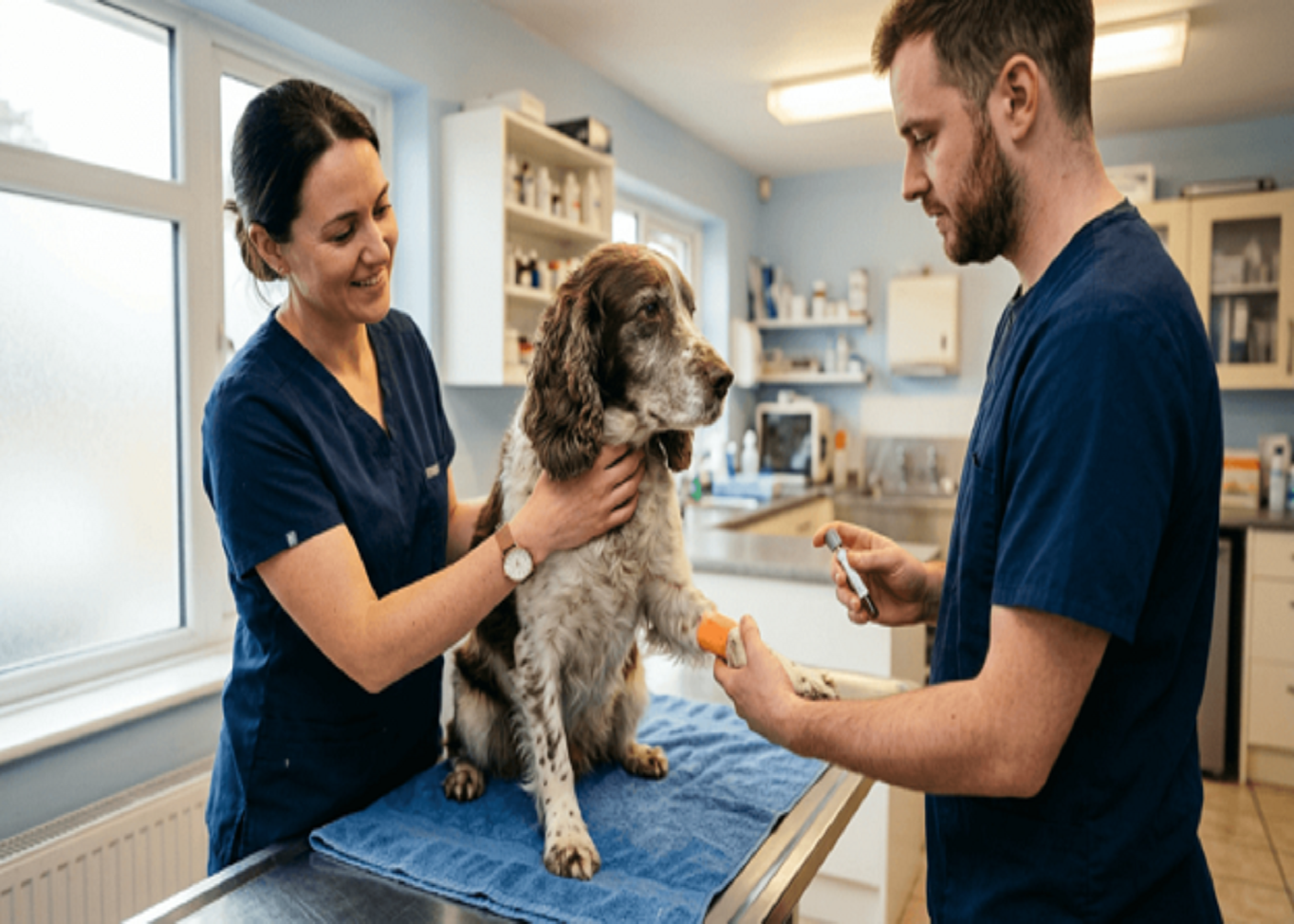
Managing Psychogenic Polydipsia in Dogs: Water Intake, Behavioural Therapy and Pharmacological Intervention
Once psychogenic polydipsia (PPD) has been identified, management needs to address more than the vol...
Article
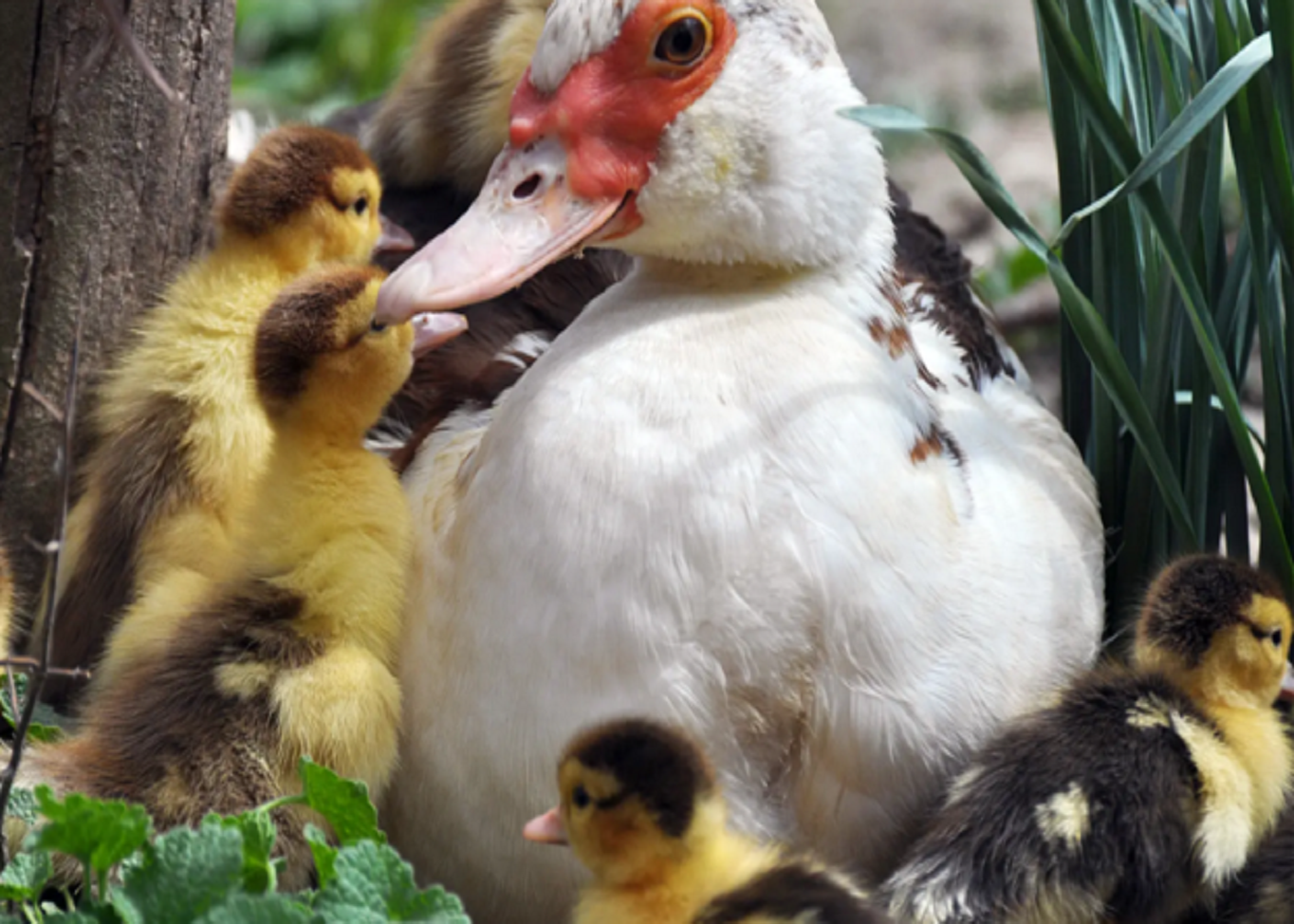
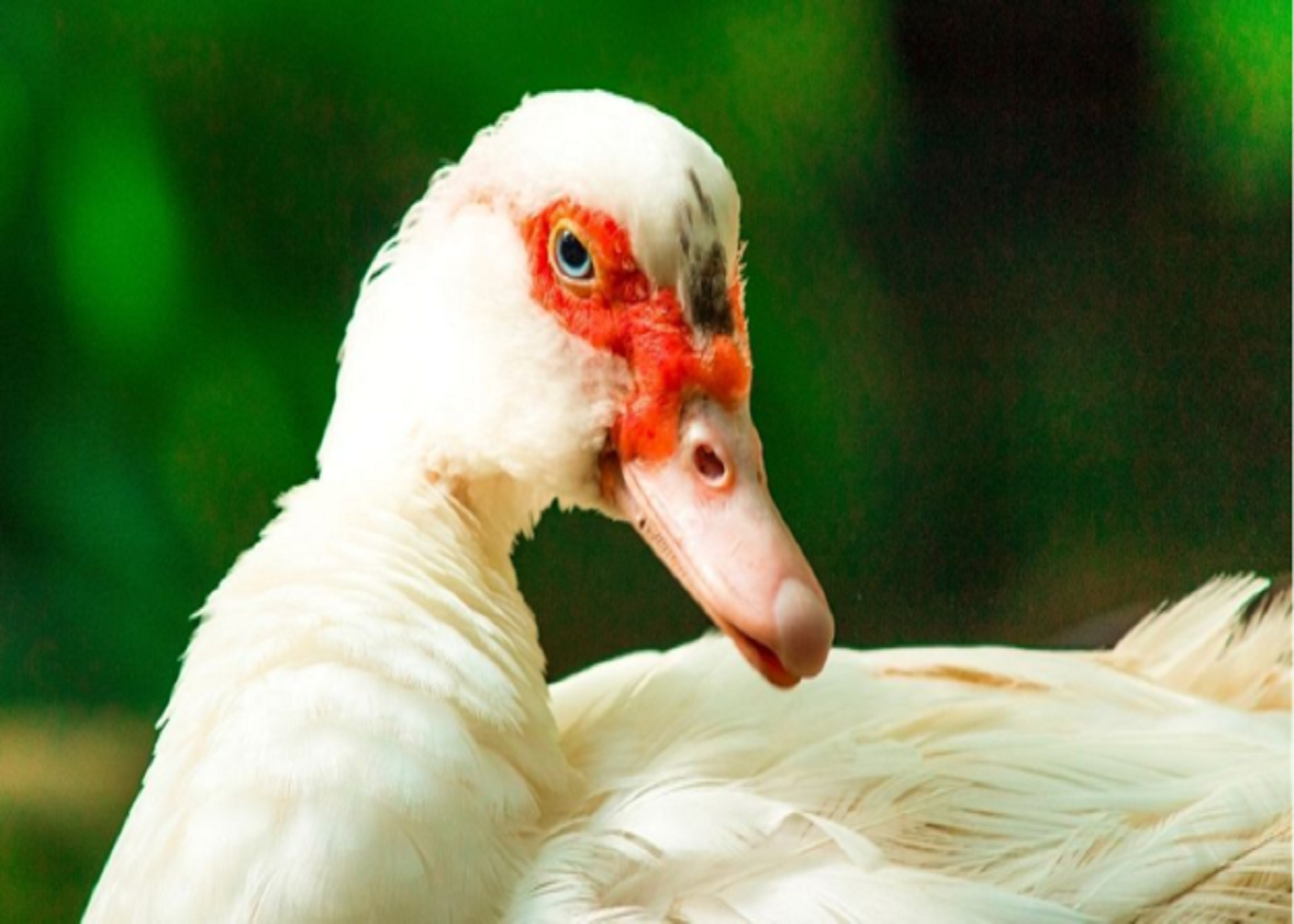
Duck Viral Hepatitis in Ducklings: Clinical Recognition and Differential Diagnosis
A sudden rise in mortality among young ducklings, particularly those under three weeks of age, shoul...
Article
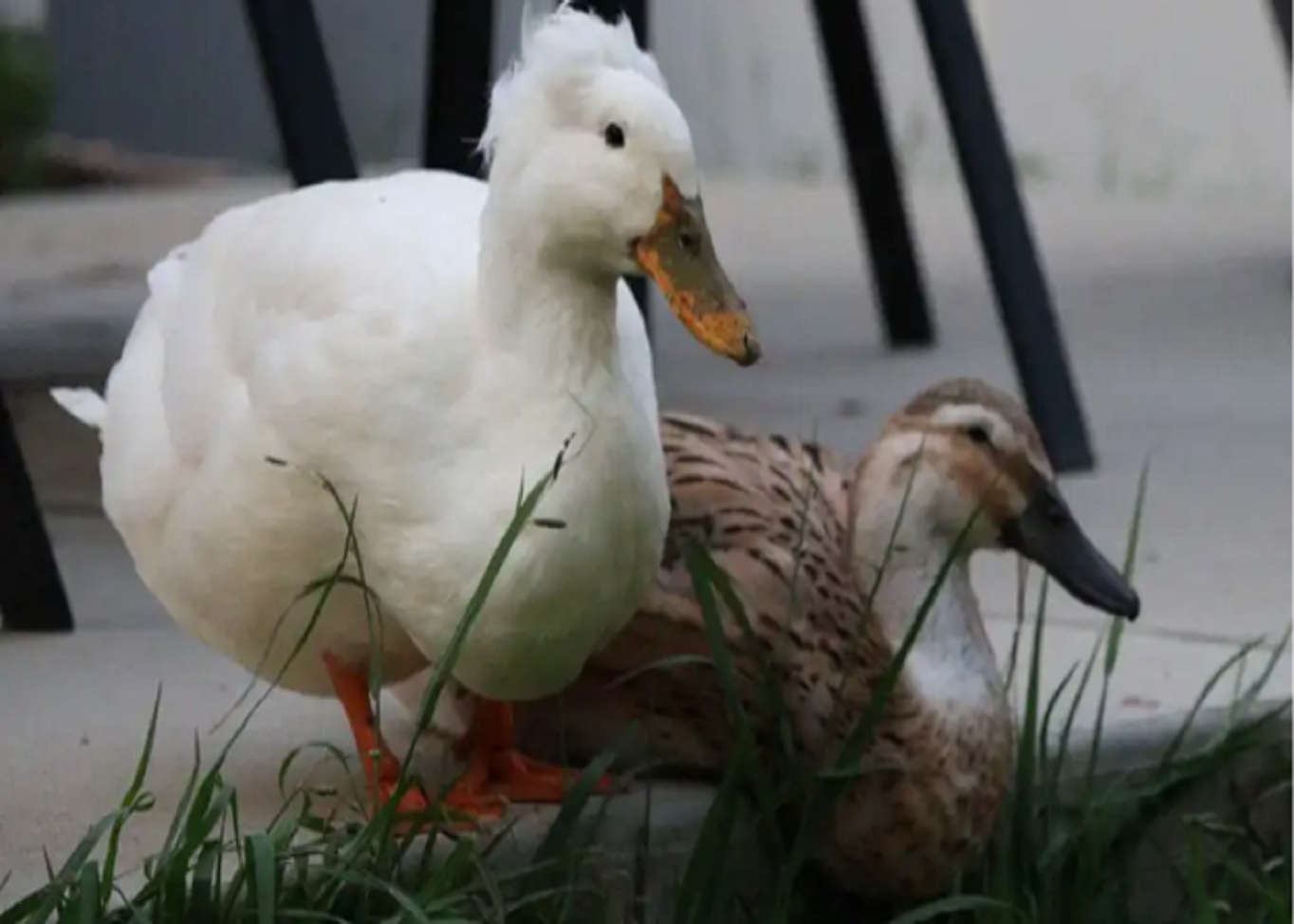
Confirming Duck Viral Hepatitis: Choosing and Interpreting Diagnostic Tests
When young ducklings develop sudden mortality and liver lesions suggestive of duck viral hepatitis (...
Article
Duck Viral Hepatitis Vaccination: Managing Maternal Antibody Interference and Field Efficacy
Vaccination is a key strategy for controlling Duck Viral Hepatitis (DVH), particularly in intensive...