Article
How Chlamydiales Spread Through Poultry Flocks: Transmission and Biosecurity Gaps
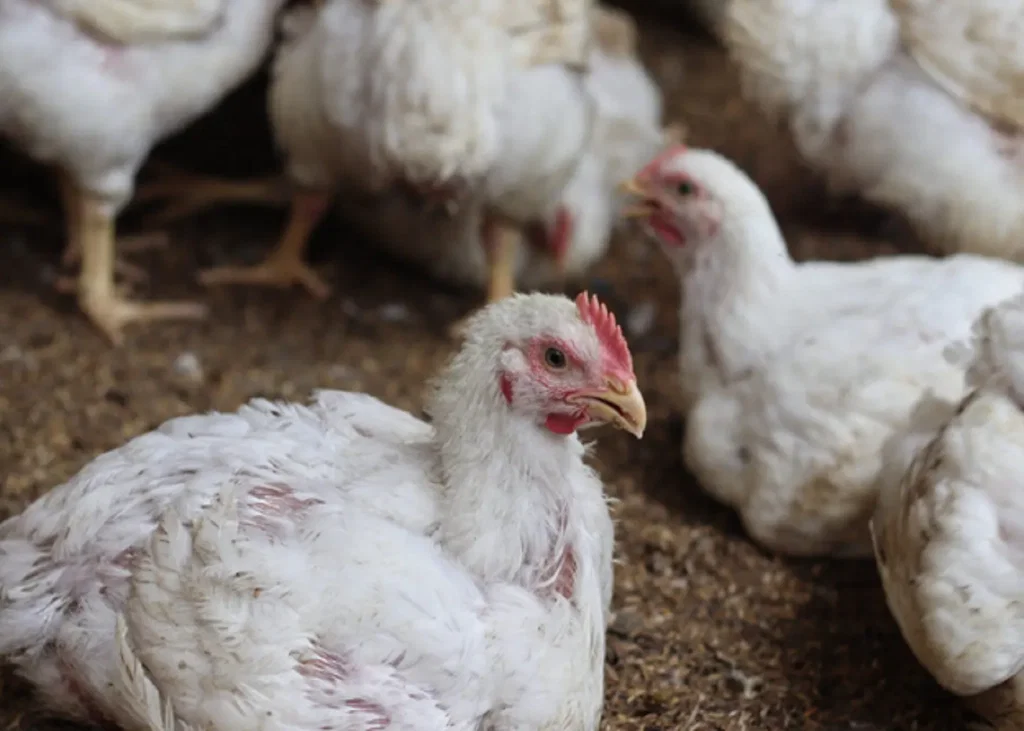
A poultry flock can appear to have adequate routine biosecurity and still have opportunities for Chlamydiales transmission. The challenge is that spread does not depend on a single route. Bird-to-bird contact, respiratory exposure, contaminated environments, vertical transmission, and management conditions can all contribute to persistence within a flock.
Understanding where these pathways intersect can help veterinarians identify practical biosecurity gaps.
Direct Contact is Only One Part of the Problem
Chlamydiales can spread through direct oral or beak-to-beak contact. Respiratory transmission is also important, particularly when infected birds shed organisms into the environment.
Airborne spread may occur through contaminated respiratory material and dust. This makes the housing environment relevant to transmission rather than treating infection as a problem confined to individual birds.
Environmental contamination can therefore become an important link between infected and susceptible birds, particularly when contaminated material remains within the production setting[1],[2],[3],[4].
What About Birds That Look Healthy?[4]
One of the more difficult biosecurity challenges is that shedding may occur without obvious clinical disease.
C. gallinacea, for example, has been detected in chickens and other avian hosts, including ducks, guinea fowl, turkeys, and wild birds. Its presence in apparently healthy birds means that visible illness alone cannot be relied upon to identify every potential source of infection.
This creates a practical concern for flock management: Birds that appear clinically normal may still have epidemiological relevance.
Housing and Stocking Conditions Matter
Transmission is also influenced by how birds are housed and managed. High stocking density can increase opportunities for close contact and exposure to contaminated respiratory material.
Poor ventilation, inadequate hygiene, contaminated equipment, and insufficient separation between production groups may further facilitate environmental exposure. These factors should therefore be considered alongside direct bird-to-bird transmission when investigating possible flock spread[4],[5],[6].
Biosecurity should consequently be assessed as a system rather than as a single disinfection step.
Look Beyond the Poultry House[4]
The transmission picture can extend beyond the immediate flock.
Wild birds may act as part of the wider host environment, while vectors and contaminated surroundings have also been considered potential contributors to transmission. Movement of birds, people, equipment, and materials can create additional opportunities for organisms to move between locations.
This makes the interface between domestic poultry, wildlife, workers, and the surrounding environment relevant when assessing transmission risk.
Vertical Transmission Deserves Attention[4]
Transmission is not necessarily limited to horizontal spread.
Vertical or egg-associated transmission has also been described, creating another possible pathway for maintaining Chlamydiales within poultry populations. This is particularly relevant when investigating recurring infection patterns that cannot be explained solely by recent bird-to-bird exposure.
A flock-level investigation should therefore consider both how organisms may enter a flock and how they may persist within it.
Where Should the Veterinarian Look for Biosecurity Gaps?
When Chlamydiales transmission is suspected, useful areas for assessment include:
- Bird density and opportunities for close contact
- Ventilation and dust exposure
- Hygiene and environmental contamination
- Movement of birds, workers, equipment, and materials
- Contact with wild birds or other potential hosts
- Egg-associated or vertical transmission pathways
- Separation between different poultry groups or production units
These factors should be assessed together rather than in isolation because multiple transmission routes may operate simultaneously.
Clinical Bottom Line
Controlling Chlamydiales transmission requires more than identifying an infected bird. The veterinarian needs to consider the flock, housing environment, movement pathways, wildlife interface, and possible vertical transmission as connected parts of the epidemiological picture.
A biosecurity assessment that identifies where exposure can occur, and how organisms could move or persist, can provide a more practical basis for flock-level control.
References:
- Sachse K, Borel N. Recent advances in epidemiology, pathology and immunology of veterinary chlamydiae. Chlamydia biology: from genome to disease. 2020:403-28. https://www.researchgate.net/profile/Nicole-Borel/publication/338310086
- Stokes HS, Berg ML, Bennett AT. A review of chlamydial infections in wild birds. Pathogens. 2021 Jul 28;10(8):948. https://www.mdpi.com/2076-0817/10/8/948
- Riccio MB, García JP, Chiapparrone ML, Cantón J, Cacciato C, Origlia JA, Cadario ME, Diab SS, Uzal FA. Outbreak of Chlamydia psittaci infection in a commercial psittacine breeding aviary in Argentina. Animals. 2024 Jul 2;14(13):1959. https://www.mdpi.com/2076-2615/14/13/1959
- Narayan J, Yadav V, Prakash D, Diwakar RP, Joshi RK. A Review on Chlamydiales in Indian Poultry and its Zoonotic Transmission. https://www.researchgate.net/profile/Dp-Shrivastava-2/publication/394943252
- Ravichandran K, Anbazhagan S, Karthik K, Angappan M, Dhayananth B. A comprehensive review on avian chlamydiosis: a neglected zoonotic disease. Tropical animal health and production. 2021 Sep;53(4):414. https://pmc.ncbi.nlm.nih.gov/articles/PMC8313243/pdf/11250_2021_Article_2859.pdf
- Abd El-Ghany WA. Avian chlamydiosis: a world-wide emerging and public health threat. Adv. Anim. Vet. Sci. 2020;8(s2):82-97. https://www.researcherslinks.com/nexus_uploads/files/AAVS_8_s2_82-97.pdf
Related Contents

Article
Chronic Cough in Dogs and Cats: How to Classify and Localize It
A dog has been coughing for several weeks. The owner describes it as “honking,” but the...
Article
Diagnosing the Coughing Dog or Cat: Choosing the Right Diagnostic Test
A coughing dog or cat does not automatically need every available respiratory test. The more useful...

Article
Bronchoscopy and Airway Sampling in Dogs and Cats with Chronic Cough
In dogs and cats with chronic cough, thoracic radiographs may not fully explain the airway abnormali...
Article
When Should Veterinarians Suppress Cough?
Cough suppression plays a specific role in managing respiratory diseases in dogs and cats. The aim i...
Article
Managing Persistent Cough in Dogs and Cats: From Conventional Therapy to Emerging Options
Persistent cough in dogs and cats may require more than treatment of the primary disease. When cough...
Article
Bacterial Diseases in Farmed Fish: Recognising Clinical Patterns in Practice
A fish population develops haemorrhagic lesions, lethargy and poor appetite. Another shows exophthal...
Article
Viral Diseases in Aquaculture: Recognising Clinical Patterns Before the Outbreak Escalates
A group of cultured fish begins showing dark skin, haemorrhage, anaemia and abnormal behaviour. In a...
Article
Parasitic Diseases in Farmed Fish: Recognising Gill, Skin and Systemic Involvement
A group of fingerlings is losing appetite and becoming increasingly inactive. Some fish have excessi...