Article
Monitoring Reproductive Cyclicity in Elephants: Interpreting Progestagens, Body Condition and Seasonal Variation
For a female Asian elephant, reproductive assessment is not simply about identifying oestrus or confirming pregnancy. The more useful clinical question is: Is the elephant cycling normally, and is that pattern consistent over time? Longitudinal hormonal monitoring can reveal cyclicity that may not be obvious from behaviour alone and can help distinguish normal variation from possible reproductive dysfunction.
Start with the hormonal pattern, not a single value
Asian elephant ovarian activity can be monitored through serial progestagen measurements. In a 2017 study of 11 young females at the Pinnawala Elephant Orphanage, serum progestagens were measured every 10 days for 18–24 months. Ten females demonstrated ovarian activity, with first cycles detected at different ages. The study also showed that the first pubertal luteal phase could resemble subsequent cycles, reinforcing the value of following an individual over time rather than interpreting a single hormone result in isolation[1].
For clinical monitoring, the trend is more informative than an isolated concentration. Repeated measurements can identify the rise and sustained elevation associated with the luteal phase and the subsequent decline into the follicular phase. This makes serial sampling particularly useful when reproductive history or behavioural observations are inconclusive.
How long should a cycle be?
Cycle duration is naturally variable between individuals. In a retrospective study of 70 complete cycles from eight captive Asian elephants in Thailand, the mean cycle length was 14.5 ± 1.8 weeks, with mean luteal and follicular phases of 7.6 ± 1.6 and 6.8 ± 1.7 weeks, respectively[2].
The important clinical point is that variation does not automatically mean abnormality. An elephant whose cycles repeatedly fall outside a population average may still have a consistent individual pattern. Conversely, a marked change from that elephant's established pattern may warrant closer investigation.
Therefore, reproductive records should capture the timing of successive progestagen rises and falls, rather than simply labelling each sample as 'high' or 'low'.
Body condition can influence cycle characteristics
Body condition should be considered when interpreting an apparently altered cycle. In the Thai retrospective study, elephants classified as normal weight had longer mean estrous cycles than overweight elephants: 14.9 ± 1.7 versus 13.9 ± 1.7 weeks[2].
This association does not establish that excess body condition causes altered ovarian function. However, it provides a practical reason to record body condition alongside reproductive data. If cycle characteristics change, reviewing nutritional status and longitudinal body-condition trends may provide useful context.
Season may change the pattern without eliminating cyclicity
Season is another potential source of variation. The same Thai study found differences in some cycle characteristics across seasons, although the overall onset of the luteal and follicular phases was not significantly different between seasons[2].
This distinction matters. A seasonal shift in cycle characteristics should not automatically be interpreted as reproductive failure. Instead, clinicians should consider whether the observed pattern remains consistent with the elephant's previous cycles and whether other factors—such as body condition, management, health status or pregnancy—have changed.
Do not rely on behaviour alone
Behavioural signs can complement endocrine monitoring, particularly when bulls are present. In the 2017 Sri Lankan study, 36 of 46 documented cycles were associated with observable oestrous behaviour during the latter part of the follicular phase[1]. However, behavioural expression was not completely consistent across all females and cycles.
This makes behavioural observation useful but insufficient as the sole method of determining ovarian status. A female may be cycling without displaying easily recognised behavioural signs, while changes in behaviour may have causes unrelated to reproductive status.
What does an irregular pattern mean?
A change in cycle length, prolonged low progestagen concentrations or an apparent absence of cyclicity should trigger a structured review rather than an immediate diagnosis of infertility.
First, verify the sampling interval and laboratory method. Next, compare the current pattern with the elephant's previous cycles. Then review body condition, reproductive history, pregnancy status, recent illness and management changes.
Serial monitoring can also help distinguish a genuinely persistent abnormal pattern from a temporary fluctuation. In a 2022 study of five normal-cycling and four pregnant Asian elephants monitored over 22 months, serum progestagens were higher during the luteal phase than the follicular phase, while individual reproductive profiles varied[3]. This further supports interpreting hormonal data longitudinally and in conjunction with the clinical history.
Clinical takeaway
For Asian elephants, reproductive cyclicity is best assessed as a longitudinal pattern rather than a single laboratory result or behavioural observation. Maintain individual hormone records, document body condition and reproductive history, and interpret apparent cycle abnormalities against the elephant's own established pattern before deciding that further reproductive investigation is warranted.
References:
- Mendis S, Jayasekera NK, Rajapakse RC, Brown JL. Endocrine correlates of puberty in female Asian elephants (Elephas maximus) at the Pinnawala elephant orphanage, Sri Lanka. BMC Zoology. 2017 Jan 21;2(1):1. https://link.springer.com/article/10.1186/s40850-016-0012-8
- Towiboon P, Saenphet K, Tayapiwattana C, et al. Relationship among Serum Progestagens, Cortisol, and Prolactin in Pregnant and Cycling Asian Elephants in Thailand. Vet Sci. 2022;9(5):244. Published 2022 May 22. https://doi.org/10.3390/vetsci9050244
- Yang Y, Tummaruk P, Angkawanish T, Langkaphin W, Chatdarong K. Seasonal Effects on Body Condition and Characteristics of the Estrous Cycle in Captive Asian Elephants (Elephas maximus) in Thailand: A Retrospective Study. Animals (Basel). 2023;13(7):1133. Published 2023 Mar 23. https://doi.org/10.3390/ani13071133
Related Contents
Article
Elephant Foot Health: Detecting Problems Before Lameness
Foot problems in elephants do not necessarily begin with obvious lameness. By the time an elephant i...
Article
When an Elephant’s Behaviour Changes: Recognising Clinically Relevant Patterns
A change in an elephant’s behaviour can be easy to dismiss as temperament. It can also...
Article
Is It Normal for This Elephant? Building an Individual Health Baseline
For a long-lived animal, a single health assessment provides only a snapshot. A more useful c...
Article
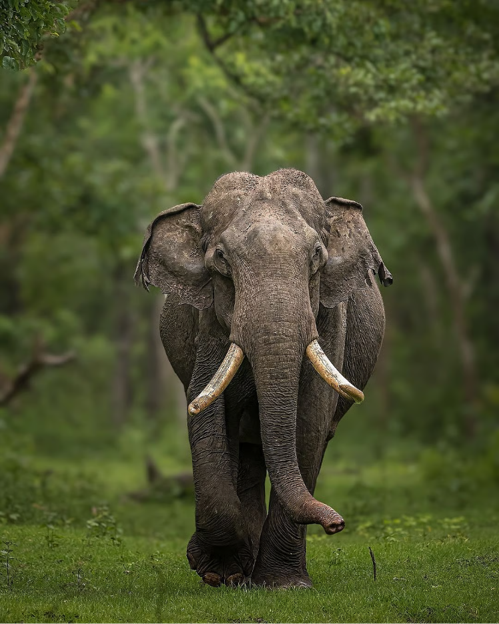
Body Condition in Asian Elephants: When Does Change Become Clinically Relevant?
Body condition is often recorded during routine elephant health assessments. Its clinical value, how...
Article
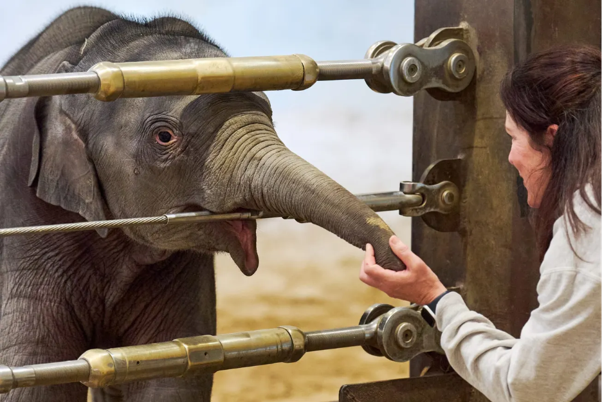
EEHV in Asian Elephant Calves: Recognising the Early Clinical Picture
Elephant endotheliotropic herpesvirus (EEHV) is an important cause of fatal haemorrhagic disease in...
Article
Gastrointestinal Parasites in Asian Elephants: Interpreting Faecal Findings
A positive faecal examination confirms the detection of parasite stages in the sample. It does not,...
Article
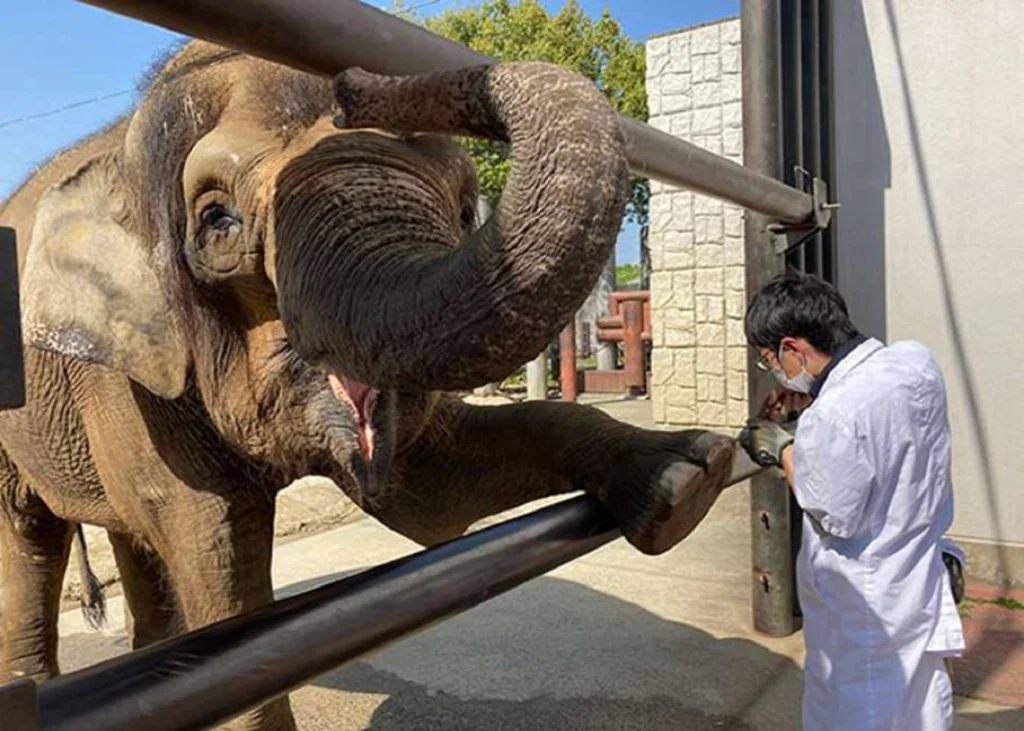
Tuberculosis in Asian Elephants: Interpreting Screening Results in Context
Tuberculosis surveillance in elephants presents a fundamental diagnostic challenge: a test result is...
Article
Pregnancy Monitoring in Asian Elephants: Interpreting Ultrasound and Hormonal Findings
Confirming pregnancy is only the beginning of reproductive monitoring in an elephant. With a...