Article
When Should Clinical Nutrition Be Started in Compromised Ruminants?
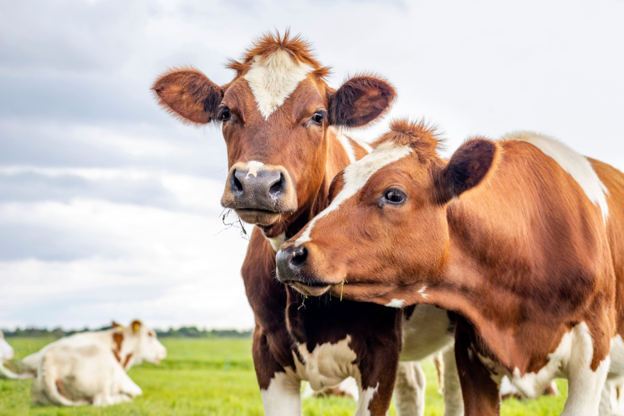
Clinical nutrition has become an important component of supportive care in compromised ruminants. Illness or injury often reduces feed intake, alters metabolism, and increases nutrient demands, creating a mismatch between nutritional supply and physiological requirements. If these changes are not addressed promptly, the animal may experience progressive muscle and fat mobilization, impaired immune function, delayed healing, and prolonged recovery1,2,3. Rather than serving as a replacement for treatment of the primary disease, clinical nutrition complements medical therapy by helping maintain body functions, supporting the immune response, minimizing catabolism, and promoting recovery.
Determining the right time to initiate nutritional support is therefore a critical clinical decision. The timing should be based not only on the duration of reduced feed intake but also on the patient's physiological state, production stage, body condition, and the nature of the underlying disease.
Clinical Nutrition Begins with the Patient Assessment1
Before initiating clinical nutrition, the veterinarian should evaluate whether nutritional intervention is appropriate for the individual patient. Important considerations include nutritional status, diagnosis, prognosis, animal welfare, feasibility of providing ongoing nutritional support, and the economic value of the animal. Clinical nutrition should never compromise patient welfare and should always complement appropriate treatment of the primary disease.
Supportive care should initially focus on correcting acid-base disturbances, electrolyte abnormalities, fluid deficits, and metabolic derangements. Once these immediate priorities are addressed, nutritional support can be introduced to restore alimentary function, minimize further tissue breakdown, and facilitate recovery.
Recognizing Animals That Need Early Nutritional Intervention
Healthy mature ruminants possess considerable gastrointestinal capacity and can tolerate short periods of reduced feed intake. Animals voluntarily consuming at least 80% of their nutritional requirements generally do not require immediate intervention and may tolerate feed deprivation for approximately 36–98 hours. However, this should not be applied universally because many compromised animals develop metabolic alterations that warrant much earlier nutritional support1.
Clinical nutrition should be considered immediately or much earlier in several situations, including:
- Cachectic or severely debilitated ruminants.
- Growing animals that remain anorexic for more than 24–36 hours.
- Lactating females that become anorexic for more than 12–24 hours because continued milk production rapidly depletes body reserves.
- Neonates, which possess very limited energy reserves and generally should not remain without nutrition for more than approximately 12 hours1,4.
- Animals in late pregnancy, particularly during the final trimester.
- Ruminants with either excessive body condition (BCS ≥4/5), due to the risk of hepatic lipidosis, or very poor body condition (BCS ≤1.5/5), where prolonged malnutrition may already have compromised rumen development and microbial stability.
- Animals recovering from surgery, those with pre-existing metabolic disorders, severe immunocompromise, or disorders such as diarrhea that significantly alter nutrient and fluid balance.
Why Waiting Can Delay Recovery
Compromised ruminants commonly experience reduced appetite together with an increased metabolic rate, enhanced protein catabolism, mobilization of adipose tissue, and increased nutrient demands associated with inflammation and tissue repair. Unlike healthy animals undergoing temporary fasting, severely ill ruminants do not adequately reduce their metabolic rate, resulting in continued loss of body protein and fat reserves1,5.
Reduced feed intake also affects the rumen's function. Prolonged anorexia slows rumen motility, alters microbial populations, decreases fermentation efficiency, and may predispose the animal to indigestion and metabolic disorders. As rumen function deteriorates, recovery becomes increasingly difficult because microbial adaptation requires time. Maintaining nutrient delivery through the rumen whenever feasible therefore remains a major objective of clinical nutrition.
Practical Clinical Insight
Successful clinical nutrition begins with timely recognition rather than waiting until severe weight loss develops. Every compromised ruminant should be assessed individually, considering appetite, body condition, physiological stage, duration of anorexia, metabolic status, and the expected progression of the underlying disease. Animals at high nutritional risk—including neonates, lactating cows, rapidly growing animals, cachectic patients, and those with significant metabolic disturbances- benefit from much earlier nutritional intervention than healthy mature adults.
Clinical nutrition should always be integrated with medical treatment and supportive care. When introduced at the appropriate time, it helps preserve rumen function, reduce unnecessary catabolism, support immune competence, and improve the animal's return to health and productivity while maintaining animal welfare.
References
- Teixeira Rodrigues de Almeida S, Caetano M, Kirkwood RN, Petrovski KR. The Basics of Clinical Nutrition for Compromised Ruminants—A Narrative Review. Ruminants. 2025 Oct 23;5(4):51. https://www.mdpi.com/2673-933X/5/4/51
- Sahoo A. Clinical nutrition and therapeutic diets: New opportunities in farm animal practice. EC Veterinary Science. 2020;5(4):12-29. https://www.researchgate.net/profile/Artabandhu-Sahoo/publication/344899570
- Smith BP, editor. Large Animal Internal Medicine-E-Book: Large Animal Internal Medicine-E-Book. Elsevier Health Sciences; 2014 Apr 1. http://sutlib2.sut.ac.th/sut_contents/H133074.pdf
- Bourne N, Laven R, Wathes DC, Martinez T, McGowan M. A meta-analysis of the effects of Vitamin E supplementation on the incidence of retained foetal membranes in dairy cows. Theriogenology. 2007 Feb 1;67(3):494-501. https://www.academia.edu/download/78257953/j.theriogenology.2006.08.01520220106-6971-hab8vo.pdf
- Linneen S. Beef nutrition 101: What a veterinarian needs to know to work with a nutritionist. InAmerican Association of Bovine Practitioners Conference Proceedings 2022 Dec 21 (pp. 37-40). https://bovine-ojs-tamu.tdl.org/aabp/article/download/8510/8302
Related Contents

Article
Chronic Cough in Dogs and Cats: How to Classify and Localize It
A dog has been coughing for several weeks. The owner describes it as “honking,” but the...
Article
Diagnosing the Coughing Dog or Cat: Choosing the Right Diagnostic Test
A coughing dog or cat does not automatically need every available respiratory test. The more useful...

Article
Bronchoscopy and Airway Sampling in Dogs and Cats with Chronic Cough
In dogs and cats with chronic cough, thoracic radiographs may not fully explain the airway abnormali...
Article
When Should Veterinarians Suppress Cough?
Cough suppression plays a specific role in managing respiratory diseases in dogs and cats. The aim i...
Article
Managing Persistent Cough in Dogs and Cats: From Conventional Therapy to Emerging Options
Persistent cough in dogs and cats may require more than treatment of the primary disease. When cough...
Article
Bacterial Diseases in Farmed Fish: Recognising Clinical Patterns in Practice
A fish population develops haemorrhagic lesions, lethargy and poor appetite. Another shows exophthal...
Article
Viral Diseases in Aquaculture: Recognising Clinical Patterns Before the Outbreak Escalates
A group of cultured fish begins showing dark skin, haemorrhage, anaemia and abnormal behaviour. In a...
Article
Parasitic Diseases in Farmed Fish: Recognising Gill, Skin and Systemic Involvement
A group of fingerlings is losing appetite and becoming increasingly inactive. Some fish have excessi...