Video
Decoding the Cornea: A Practical Roadmap for Immediate Clinical Application
Corneal diseases in veterinary ophthalmology present with characteristic colour changes—blue from edema, red from vascularization, yellow from cellular infiltration, white from deposits, and brown or black from pigmentation—each reflecting distinct pathological processes. Recognizing these patterns is essential for accurate diagnosis and assessing disease severity. Non-ulcerative corneal disorders, often immune-mediated, degenerative, or congenital, cause opacity without epithelial loss and require targeted evaluation and management. In contrast, corneal ulcers demand urgent classification by depth, chronicity, etiology, and location to guide appropriate treatment and prevent complications. A systematic approach integrating visual assessment, diagnostic testing, and staged therapy enables veterinarians to differentiate between inflammatory, infectious, and degenerative conditions, ensuring effective and timely intervention for optimal ocular outcomes.
Related Contents
Article
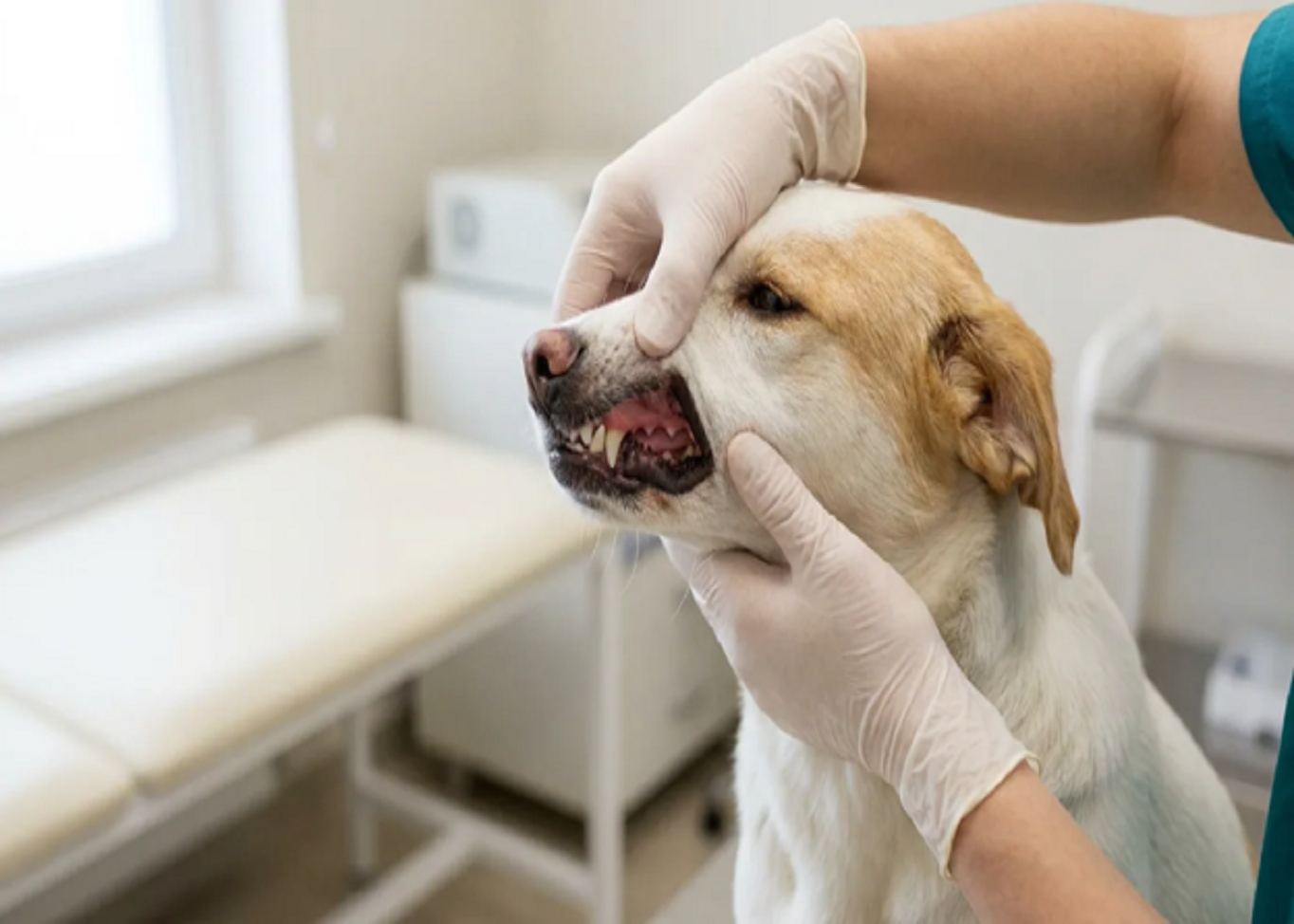
Recognising Leptospirosis Across Animal Species: Clinical Presentations and Organ-Specific Changes
A dog presents with fever and systemic illness, while cattle experience reproductive failure without...
Article
Psychogenic Polydipsia in Dogs: Recognising Behavioural Triggers and Clinical Indicators
A dog presents with persistent excessive drinking and urination, yet its physical examination reveal...

Article
Diagnostic Approach to Canine PU/PD: Differentiating Primary Polydipsia from Primary Polyuria
Persistent excessive drinking and urination can be the presenting signs of several conditions in dog...
.jpg)
Upcoming Event
Culture-Guided Treatment of UTIs in Dogs and Cats
Make informed antibiotic choices in canine and feline UTIs with a culture-guided approach. Explore h...

Article
Managing Psychogenic Polydipsia in Dogs: Water Intake, Behavioural Therapy and Pharmacological Intervention
Once psychogenic polydipsia (PPD) has been identified, management needs to address more than the vol...
Article
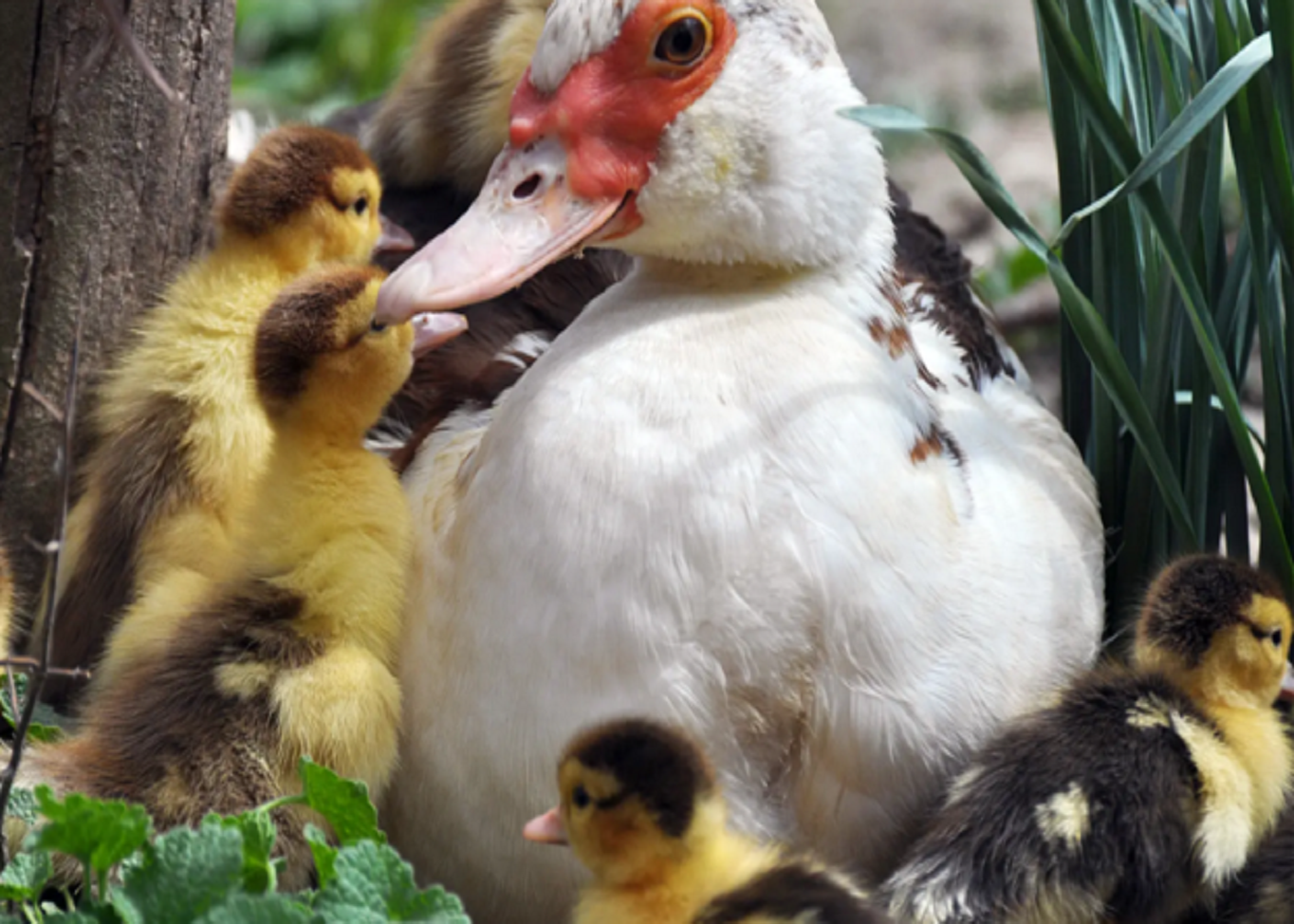
Duck Viral Hepatitis in Ducklings: Clinical Recognition and Differential Diagnosis
A sudden rise in mortality among young ducklings, particularly those under three weeks of age, shoul...
Article
Confirming Duck Viral Hepatitis: Choosing and Interpreting Diagnostic Tests
When young ducklings develop sudden mortality and liver lesions suggestive of duck viral hepatitis (...
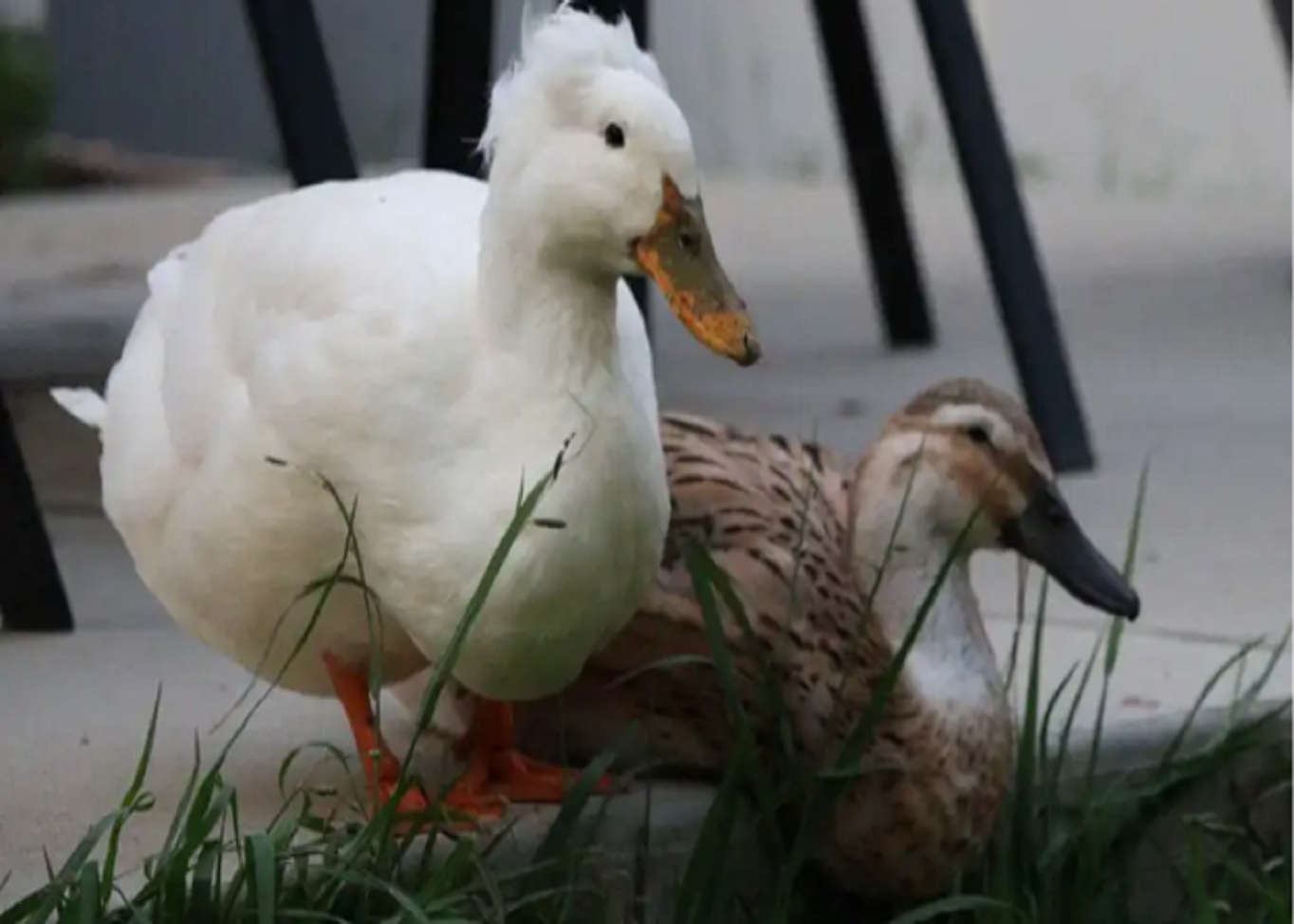
Article
Duck Viral Hepatitis Vaccination: Managing Maternal Antibody Interference and Field Efficacy
Vaccination is a key strategy for controlling Duck Viral Hepatitis (DVH), particularly in intensive...