Article
The Diagnostic Discipline of Pruritus – Why Structure Beats Guesswork
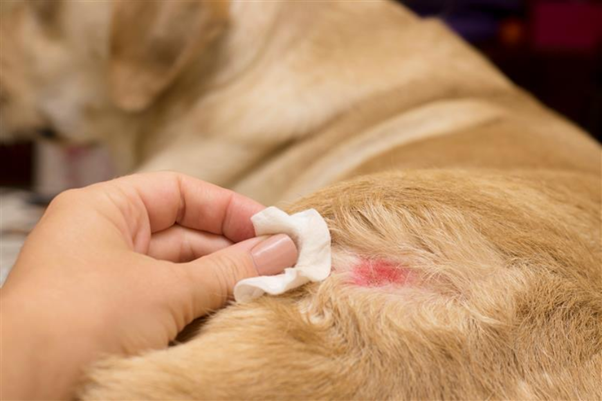
Pruritus remains one of the most common presenting complaints in small animal practice, yet it continues to be one of the most mismanaged. The 2023 AAHA guidelines reinforce a critical truth: allergic skin disease cannot be diagnosed clinically—it must be systematically worked up1.
The Problem with “Pattern Recognition”
While experienced clinicians often rely on pattern recognition, allergic dermatoses—flea allergy, food allergy, and atopy—share overlapping clinical features. No historical or physical finding can reliably differentiate them, except seasonality to some extent.
The Stepwise Framework
The AAHA algorithm emphasizes a 6-step diagnostic pathway:
- Clinical history + dermatologic exam
- Minimum dermatologic database (MDB)
- Pruritus control
- Treat infections + ectoparasites
- Recheck and reassess
- Diet trial
Why This Matters
Skipping steps leads to:
- Misdiagnosis (e.g., labeling atopy prematurely)
- Chronic steroid dependence
- Client dissatisfaction
Clinical Insight
Atopy is not diagnosed—it is arrived at after exclusion. Allergy testing plays no role in diagnosis and is only used for immunotherapy planning.
Reference
- Miller J, Simpson A, Bloom P, Diesel A, Friedeck A, Paterson T, Wisecup M, Yu CM. 2023 AAHA management of allergic skin diseases in dogs and cats guidelines. Journal of the American Animal Hospital Association. 2023 Nov 1;59(6):255-84. https://www.aaha.org/wp-content/uploads/globalassets/02-guidelines/2023-aaha-management-of-allergic-skin-diseases-in-dogs-and-cats-guidelines/resources/2023-aaha-management-of-allergic-skin-diseases-guidelines.pdf
Related Contents
Article
Recognising Leptospirosis Across Animal Species: Clinical Presentations and Organ-Specific Changes
A dog presents with fever and systemic illness, while cattle experience reproductive failure without...
Article
Psychogenic Polydipsia in Dogs: Recognising Behavioural Triggers and Clinical Indicators
A dog presents with persistent excessive drinking and urination, yet its physical examination reveal...
Article
Diagnostic Approach to Canine PU/PD: Differentiating Primary Polydipsia from Primary Polyuria
Persistent excessive drinking and urination can be the presenting signs of several conditions in dog...
.jpg)
Upcoming Event
Culture-Guided Treatment of UTIs in Dogs and Cats
Make informed antibiotic choices in canine and feline UTIs with a culture-guided approach. Explore h...
Article
Managing Psychogenic Polydipsia in Dogs: Water Intake, Behavioural Therapy and Pharmacological Intervention
Once psychogenic polydipsia (PPD) has been identified, management needs to address more than the vol...
Article
Duck Viral Hepatitis in Ducklings: Clinical Recognition and Differential Diagnosis
A sudden rise in mortality among young ducklings, particularly those under three weeks of age, shoul...
Article
Confirming Duck Viral Hepatitis: Choosing and Interpreting Diagnostic Tests
When young ducklings develop sudden mortality and liver lesions suggestive of duck viral hepatitis (...
Article
Duck Viral Hepatitis Vaccination: Managing Maternal Antibody Interference and Field Efficacy
Vaccination is a key strategy for controlling Duck Viral Hepatitis (DVH), particularly in intensive...