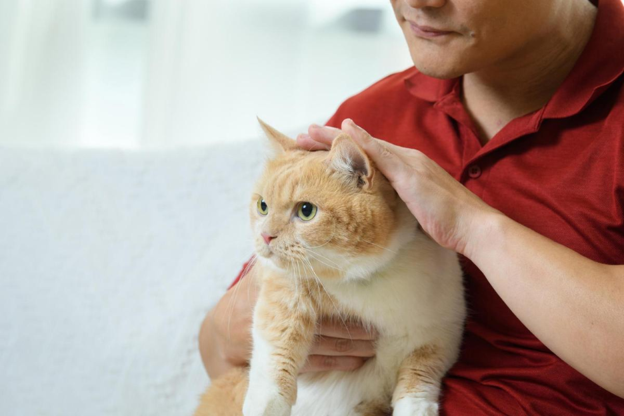
Article
Adipokines: Emerging Biomarkers for Early Detection and Monitoring of Feline Type 2 Diabetes
Feline type 2 diabetes mellitus (T2DM) accounts for approximately 90% of diabetes cases in cats and shares many pathophysiological features with human T2DM, including insulin resistance, β-cell dysfunction, and obesity-associated metabolic changes1,2. Diagnosis can be challenging because stress-induced hyperglycemia is common in cats, making interpretation of blood glucose values less straightforward3,4. As understanding of the interaction between adipose tissue and the immune system continues to evolve, adipokines are gaining attention as potential biomarkers that may complement conventional diagnostic approaches and provide additional insight into disease progression.
Adipose Tissue: More Than an Energy Store
Adipose tissue functions as an active endocrine and metabolic organ composed not only of adipocytes but also connective tissue, stromal cells, neural tissue, and immune cells. During obesity, adipose tissue becomes a site of chronic low-grade inflammation, with increased production of pro-inflammatory mediators that contribute to insulin resistance and metabolic dysfunction4,5.
These biologically active molecules, collectively known as adipokines, include hormones such as leptin and adiponectin, along with cytokines including TNF-α and IL-6. Alterations in their circulating concentrations may reflect metabolic and inflammatory changes associated with T2DM4,6,7.
Key Adipokines in Feline Diabetes
Among the adipokines evaluated in cats, leptin and adiponectin have shown the most consistent associations with obesity and diabetes.
Leptin concentrations increase with body fat mass and body condition score4. Diabetic cats have been reported to exhibit leptin concentrations approximately 221% higher than those of healthy cats with normal body weight, while healthy obese cats showed levels around 172% higher than lean controls8. Higher leptin concentrations have also been associated with reduced insulin sensitivity and increased fasting insulin concentrations4. As body weight decreases, leptin concentrations gradually decline9.
In contrast, adiponectin demonstrates an opposite pattern. This anti-inflammatory adipokine plays an important role in glucose and lipid metabolism while enhancing insulin sensitivity. Most observations indicate that adiponectin concentrations decrease as body condition score increases. Compared with healthy cats of normal weight, diabetic cats have been shown to have 61% lower adiponectin concentrations and 45% lower concentrations than healthy obese cats. These findings suggest that declining adiponectin may parallel worsening metabolic dysfunction4.
Although data remain limited, resistin, TNF-α, and IL-6 also appear to reflect obesity-associated inflammatory changes. Increased resistin expression has been reported in obese cats, while TNF-α and IL-6 concentrations generally increase with higher body condition scores and body weight, supporting their potential role in the inflammatory component of insulin resistance4.
Practical Clinical Insights
For practicing veterinarians, adipokines should currently be viewed as promising adjunctive biomarkers rather than standalone diagnostic tests. Conventional diagnosis remains based on clinical signs, persistent hyperglycemia, glucosuria, urine specific gravity, and fructosamine assessment while recognising the influence of stress hyperglycemia in feline patients.
However, understanding adipokine patterns may help clinicians better appreciate the close relationship between obesity, inflammation, and insulin resistance. Cats presenting with obesity, increasing body condition score, or reduced insulin sensitivity may undergo metabolic changes long before advanced diabetic complications become evident.
Monitoring body weight and body condition, together with appropriate nutritional management and early recognition of insulin resistance, remains central to reducing disease progression risk.
Conclusion
Adipokines provide valuable insight into the metabolic and inflammatory changes accompanying feline T2DM. Increased leptin together with reduced adiponectin, supported by changes in other inflammatory adipokines, highlights the complex interaction between obesity, immune function, and glucose regulation. While additional validation is needed before these biomarkers become part of routine clinical practice, they represent a promising direction for improving risk assessment, disease monitoring, and individualized management of cats with type 2 diabetes.
References
- Osto M, Zini E, Reusch CE, Lutz TA. Diabetes from humans to cats. General and comparative endocrinology. 2013 Feb 1;182:48-53. https://www.zora.uzh.ch/server/api/core/bitstreams/9bb11ce6-b110-4ec7-bf7a-07cc5adb2301/content
- Gottlieb S, Rand J. Managing feline diabetes: current perspectives. Veterinary Medicine: Research and Reports. 2018 Jun 19:33-42. https://www.tandfonline.com/doi/pdf/10.2147/VMRR.S125619
- Gójska-Zygner O, Gadomska J, Wieczorek M, Jaros S. Cukrzyca u kotów. Część II. Diagnostyka i leczenie. Życie Weterynaryjne. 2013;88(07). https://agro.icm.edu.pl/agro/element/bwmeta1.element.agro-cbaccbc5-04be-42fa-b911-1688187628ed/c/Cukrzyca.pdf
- Sierawska O, Niedźwiedzka-Rystwej P. Adipokines as potential biomarkers for type 2 diabetes mellitus in cats. Frontiers in Immunology. 2022 Sep 30;13:950049. https://www.frontiersin.org/journals/immunology/articles/10.3389/fimmu.2022.950049/pdf
- Saitoh S, Van Wijk K, Nakajima O. Crosstalk between metabolic disorders and immune cells. International Journal of Molecular Sciences. 2021 Sep 16;22(18):10017. https://www.mdpi.com/1422-0067/22/18/10017
- FAROOQ R. Adipocytokines: unravelling the missing link in diabetes and metabolic syndrome. MOJ Biology and Medicine. 2017 Jan 1. https://www.academia.edu/download/99912791/MOJBM-02-00054.pdf
- Depta J, Małkowska P, Wysokińska M, Todorska K, Sierawska O, Hrynkiewicz R, Bębnowska D, Niedźwiedzka-Rystwej P. Therapeutic role of antimicrobial peptides in diabetes mellitus. Biologics. 2022;2(1):92. https://www.mdpi.com/2673-8449/2/1/8
- Zapata RC, Meachem MD, Cardoso NC, Mehain SO, McMillan CJ, Snead ER, Chelikani PK. Differential circulating concentrations of adipokines, glucagon and adropin in a clinical population of lean, overweight and diabetic cats. BMC veterinary research. 2017 Apr 4;13(1):85. https://link.springer.com/content/pdf/10.1186/s12917-017-1011-x.pdf
- Takashima S, Nishii N, Kobatake Y, Kiyosue M, Kimura S, Kitagawa H. Concentrations of leptin, adiponectin, and resistin in the serum of obese cats during weight loss. Journal of Veterinary Medical Science. 2019;81(9):1294-300. https://www.jstage.jst.go.jp/article/jvms/81/9/81_19-0091/_pdf
Related Contents
Article
FGF-23 in Feline CKD: An Early Signal of Phosphate Dysregulation
A cat with early chronic kidney disease (CKD) may have a normal serum phosphate concentration. Does...
Article
Albuminuria or Transferrinuria? Reading the Glomerular Signal in Feline CKD
A cat can have chronic kidney disease (CKD) with only mild proteinuria. So, when urinary protein is...
Article
Tubular Injury Biomarkers in Feline CKD: What Can NGAL, KIM-1 and L-FABP Tell You?
When feline CKD is already suspected, identifying reduced renal function is only part of the clinica...
Article
Can Renal Fibrosis Biomarkers Reveal CKD Progression in Cats?
Chronic kidney disease in cats is not only a problem of declining renal function. Structural changes...
Article
When Creatinine May Not Tell the Full Story in Feline Acute Kidney Injury
Serum creatinine is routinely used with changes in urine output to diagnose and grade Acute Kidney I...

Article
When a Normal-Looking Udder Hides Mastitis: Recognising Subclinical Mastitis in Buffaloes
A buffalo can appear clinically normal while mastitis is already affecting the udder and milk produc...

Article
Buffalo Subclinical Mastitis: Which Risk Factors Should Vets Investigate?
When subclinical mastitis (SCM) keeps appearing in a buffalo herd, looking only at the affected anim...
Article
Diagnosing Subclinical Mastitis in Buffaloes: From SCC and CMT to Molecular Tests
Subclinical mastitis (SCM) can remain hidden because the buffalo may show no obvious udder or milk a...