Article
Feline Obesity Risk Factors: Identifying Cats at Risk Before Weight Gain Escalates
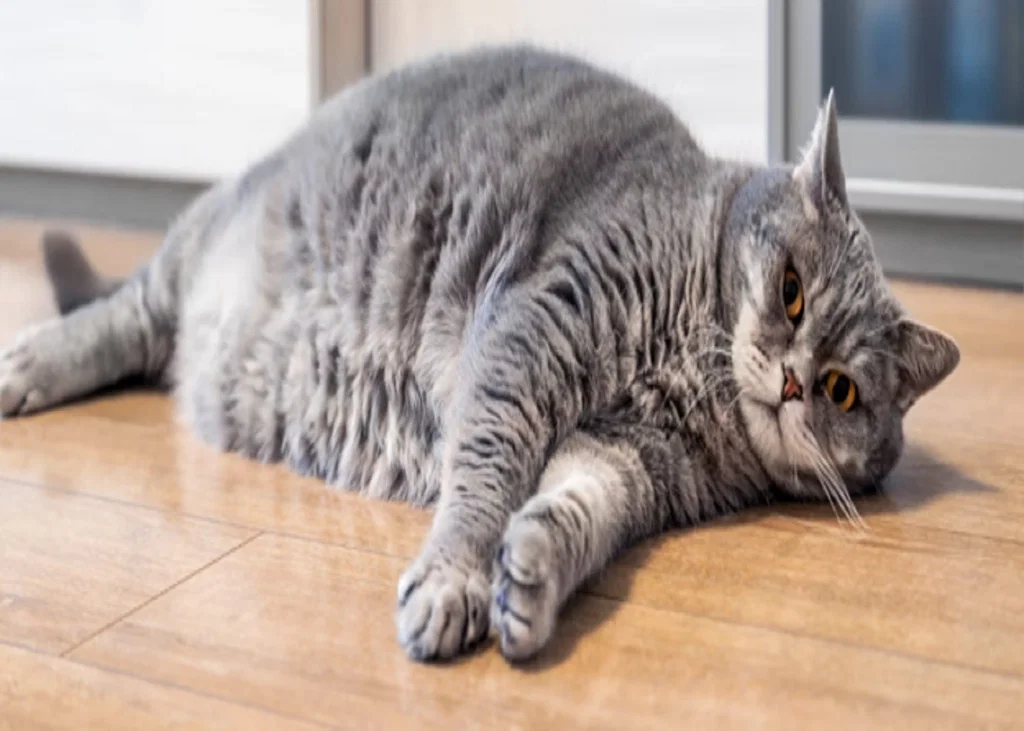
A cat does not need to be visibly obese before weight management becomes a clinical priority. A young indoor cat, a recently neutered patient, or one routinely fed a predominantly dry diet may already be on a trajectory toward excessive weight gain.
For veterinarians, recognising these risk factors early can create an opportunity to intervene before obesity becomes established and harder to manage.
Which cats are more likely to gain excess weight?
Feline obesity results from an energy imbalance, but the conditions driving that imbalance vary between individuals. Genetic susceptibility, age, sex, neutering, diet, housing and feeding behaviour can all contribute.
Breed-related risk remains less straightforward. Higher obesity prevalence has been reported in domestic longhair, domestic shorthair and cross-bred cats compared with some pure breeds, including Abyssinian, Cornish Rex and Sphynx cats[1],[2]. However, other findings have not demonstrated a significant breed-specific association[3],[4]. This suggests that breed should be considered as one possible risk indicator rather than used in isolation.
Genetic susceptibility may also operate at the molecular level. Feline studies have identified single-nucleotide polymorphisms in the MC4R gene associated with body condition, supporting a possible role for this appetite- and energy-regulation pathway in obesity predisposition[5]. Environmental influences may also interact with gene expression through mechanisms such as DNA methylation[4].
Age matters earlier than expected
Should weight monitoring begin only when an adult cat becomes visibly heavy?
The evidence suggests otherwise. Overweight and obesity can occur as early as 12–13 months, particularly in cats exposed to indoor confinement and predominantly dry diets[4].
Across more than 1.3 million cats from primary care practices in the USA, overweight and obesity increased from late growth into adulthood, reaching the highest reported prevalence during the mature life stage before declining in senior cats. The mature stage showed 44.8% overweight and 21.7% obesity, compared with 36.2% and 3.6%, respectively, in young adulthood[6].
Early weight status may also have lasting implications. Cats identified as overweight or obese during growth had 1.52 times higher odds of remaining overweight or obese during adulthood[6].
This makes growth-stage weight monitoring particularly relevant rather than waiting for obvious body condition changes.
Neutering creates a critical monitoring window
Neutering is one of the strongest recognised risk factors for feline weight gain. Following gonadal hormone loss, appetite may increase while basal metabolic rate and activity decline[7],[8],[9].
The pattern may differ between sexes: neutered males may show a more pronounced increase in food intake, while neutered females may experience a relatively greater decline in basal metabolic rate, although findings are not completely consistent[4].
The first year after neutering is therefore a particularly important period for proactive weight monitoring and dietary adjustment[4].
Look beyond the cat: Feeding and lifestyle matter
A predominantly dry diet has been associated with a 2.4-fold higher risk of obesity compared with a predominantly wet diet. Cats receiving more than 50% of their food as dry diet from post-weaning were also reported to have a 79% higher risk of becoming overweight or obese by around one year of age[4].
Ad libitum feeding, highly palatable energy-dense foods and limited opportunities for activity can further promote excessive energy intake[10],[11].
Owner perception is another practical consideration. Caregivers may fail to recognise excess body condition or use food as an expression of affection, making feeding behaviour an important part of obesity prevention[11].
Clinical bottom line
Obesity risk assessment should begin before excess weight becomes obvious. Age, neutering status, feeding pattern, indoor lifestyle and individual susceptibility can help identify cats requiring closer monitoring.
Regular weighing and body-condition assessment, combined with discussion of diet and feeding habits, provide an opportunity to address weight gain early, when preventive intervention may be more manageable than treating established obesity.
References:
- Hoelmkjaer KM, Bjornvad CR. Management of obesity in cats. Veterinary Medicine: Research and Reports. 2014 Sep 1:97-107. https://www.tandfonline.com/doi/pdf/10.2147/VMRR.S40869
- Wall M, Cave NJ, Vallee E. Owner and cat-related risk factors for feline overweight or obesity. Frontiers in veterinary science. 2019 Aug 19;6:266. https://www.frontiersin.org/journals/veterinary-science/articles/10.3389/fvets.2019.00266/pdf
- Courcier EA, O'Higgins R, Mellor DJ, Yam PS. Prevalence and risk factors for feline obesity in a first opinion practice in Glasgow, Scotland. Journal of Feline Medicine and Surgery. 2010 Oct;12(10):746-53. https://journals.sagepub.com/doi/pdf/10.1016/j.jfms.2010.05.011
- Wang H, Wang W, Zhang Y, Yao J, Liu Y, Pan L, Wang R, Wang J, Xia Z, Chen L, Xiong W. From pathogenesis to prevention: an update on the management of obesity and its associated comorbidities in cats. Frontiers in Veterinary Science. 2026 Apr 7;13:1797197. https://www.frontiersin.org/journals/veterinary-science/articles/10.3389/fvets.2026.1797197/pdf
- Mousa Basha SA, Akis I. Missense variants in MC4R gene are associated with obesity in cats. Veterinary Research Communications. 2025 Jun;49(3):127. https://link.springer.com/content/pdf/10.1007/s11259-025-10700-4.pdf
- Montoya M, Péron F, Hookey T, Morrison J, German AJ, Gaillard V, Flanagan J. Overweight and obese body condition in∼ 4.9 million dogs and∼ 1.3 million cats seen at primary practices across the USA: Prevalences by life stage from early growth to senior. Preventive Veterinary Medicine. 2025 Feb 1;235:106398. https://www.sciencedirect.com/science/article/pii/S0167587724002848
- Allaway D, Gilham MS, Colyer A, Jönsson TJ, Swanson KS, Morris PJ. Metabolic profiling reveals effects of age, sexual development and neutering in plasma of young male cats. PLoS One. 2016 Dec 12;11(12):e0168144. https://journals.plos.org/plosone/article/file?id=10.1371/journal.pone.0168144&type=printable
- Wei A, Fascetti AJ, Kim K, Ramsey JJ. Post-castration variations in weight gain in a cohort of young adult male cats. Journal of nutritional science. 2014 Jan;3:e37. https://www.cambridge.org/core/services/aop-cambridge-core/content/view/88244E25B64F45279DC6C8BA969C5398/S2048679014000378a.pdf/postcastration_variations_in_weight_gain_in_a_cohort_of_young_adult_male_cats.pdf
- Belsito KR, Vester BM, Keel T, Graves TK, Swanson KS. Impact of ovariohysterectomy and food intake on body composition, physical activity, and adipose gene expression in cats. Journal of animal science. 2009 Feb 1;87(2):594-602. https://scholar.archive.org/work/f77n3tak2fhgbcqcmy3n2p56pu/access/wayback/http://pdfs.semanticscholar.org/86ad/8b0ae881af63fce6bff27534f51153254b32.pdf
- Hall KD, Ayuketah A, Brychta R, Cai H, Cassimatis T, Chen KY, Chung ST, Costa E, Courville A, Darcey V, Fletcher LA. Ultra-processed diets cause excess calorie intake and weight gain: an inpatient randomized controlled trial of ad libitum food intake. Cell metabolism. 2019 Jul 2;30(1):67-77. https://www.cell.com/cell-metabolism/pdfExtended/S1550-4131%2819%2930248-7
- Godfrey H, Morrow S, Abood SK, Verbrugghe A. Identifying the target population and preventive strategies to combat feline obesity. Journal of Feline Medicine and Surgery. 2024 Feb;26(2):1098612X241228042. https://journals.sagepub.com/doi/pdf/10.1177/1098612X241228042
Related Contents

Article
Chronic Cough in Dogs and Cats: How to Classify and Localize It
A dog has been coughing for several weeks. The owner describes it as “honking,” but the...
Article
Diagnosing the Coughing Dog or Cat: Choosing the Right Diagnostic Test
A coughing dog or cat does not automatically need every available respiratory test. The more useful...

Article
Bronchoscopy and Airway Sampling in Dogs and Cats with Chronic Cough
In dogs and cats with chronic cough, thoracic radiographs may not fully explain the airway abnormali...

Article
When Should Veterinarians Suppress Cough?
Cough suppression plays a specific role in managing respiratory diseases in dogs and cats. The aim i...
Article
Managing Persistent Cough in Dogs and Cats: From Conventional Therapy to Emerging Options
Persistent cough in dogs and cats may require more than treatment of the primary disease. When cough...
Article
Bacterial Diseases in Farmed Fish: Recognising Clinical Patterns in Practice
A fish population develops haemorrhagic lesions, lethargy and poor appetite. Another shows exophthal...
Article
Viral Diseases in Aquaculture: Recognising Clinical Patterns Before the Outbreak Escalates
A group of cultured fish begins showing dark skin, haemorrhage, anaemia and abnormal behaviour. In a...

Article
Parasitic Diseases in Farmed Fish: Recognising Gill, Skin and Systemic Involvement
A group of fingerlings is losing appetite and becoming increasingly inactive. Some fish have excessi...