Video
Tick-Borne Haemoprotozoan Infections in Cattle: Pathology and Diagnostics
Tick-borne haemoprotozoan infections remain an important challenge in cattle health, affecting productivity, animal welfare, and farm economics. This webinar provides an overview of the major haemoprotozoan diseases transmitted by ticks, with a focus on their pathology, clinical manifestations, and diagnostic techniques. The session discusses disease progression, hematological changes, sample collection, blood smear examination, and the role of advanced laboratory methods in confirming infection. Practical insights are shared to help identify cases early and support timely intervention. Whether dealing with individual animals or herd-level health concerns, understanding these infections is essential for accurate diagnosis and effective disease management in cattle populations.
Download the quick-reference guide to strengthen your understanding of the pathology, diagnosis, and field identification of tick-borne haemoprotozoan infections in cattle.
https://pmc.ncbi.nlm.nih.gov/articles/PMC9998742/
Related Contents

Article
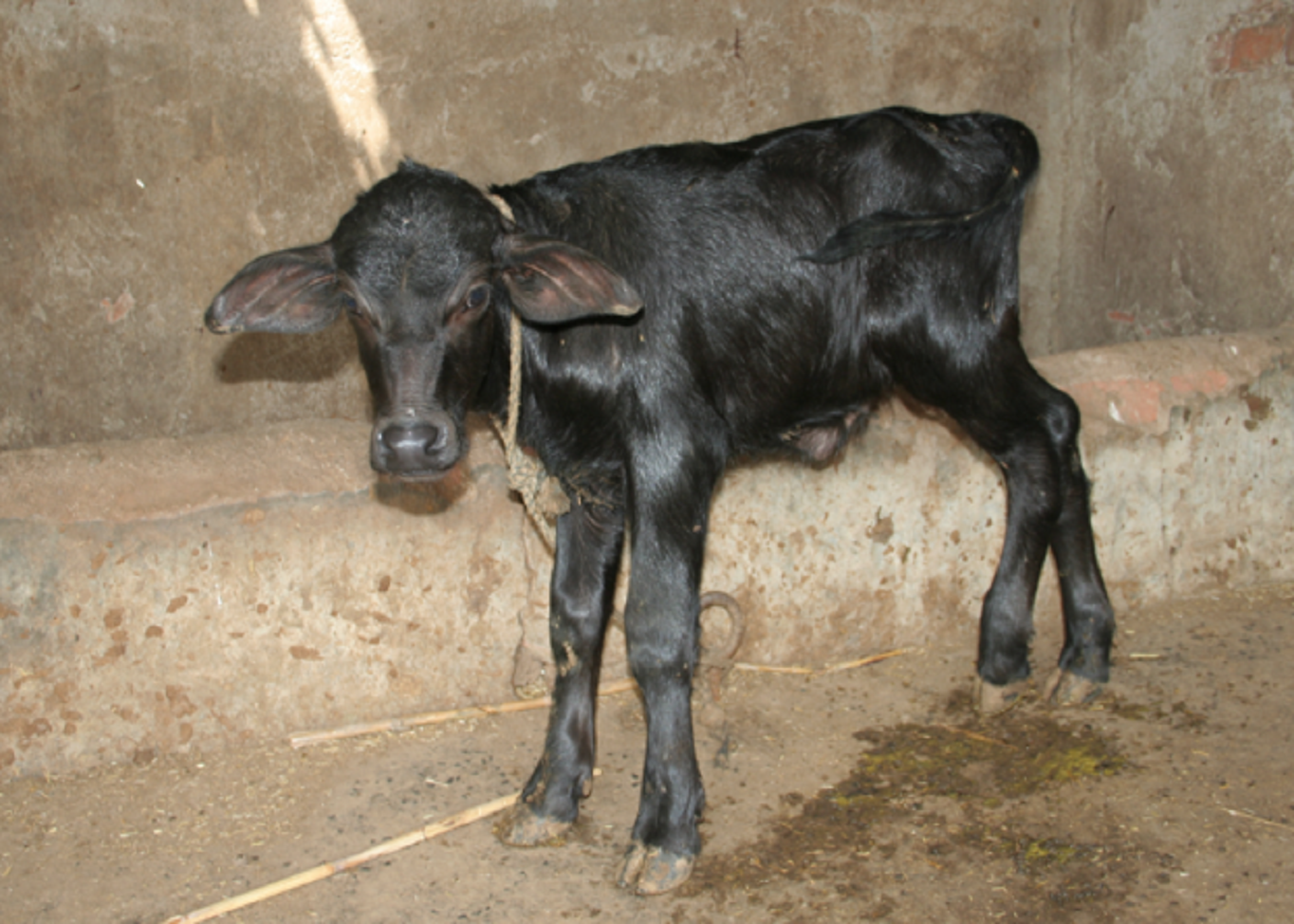
Recognising Urinary Bladder Rupture in Buffalo Calves with Obstructive Urolithiasis
A buffalo calf presenting with abdominal distension, anorexia and repeated attempts to urinate may h...
Article
Tube Cystostomy for Obstructive Urolithiasis in Buffalo Calves: Surgical Management and Recovery
Obstructive urolithiasis complicated by urinary bladder rupture requires surgical intervention to re...
Article
Diagnostic and Biochemical Changes in Buffalo Calves with Ruptured Urinary Bladder
A buffalo calf with urinary bladder rupture may present with abdominal distension, dehydration and d...

Article
Fasciolosis in Sheep: Recognising Clinical Presentations and Disease Progression
A sheep presenting with progressive weight loss, pale mucous membranes and submandibular oedema may...
Article
Diagnosing Fasciolosis in Sheep: Selecting Appropriate Tests at Different Infection Stages
A negative faecal examination does not necessarily rule out fasciolosis in sheep. During early infec...

Article
Flukicide Treatment and Resistance in Sheep: Assessing Drug Efficacy and Managing Treatment Failure
Repeated flukicide treatment does not necessarily translate into effective liver fluke control. Shee...

Article
Pasture Management for Fasciolosis in Sheep: Identifying High-Risk Grazing Areas and Seasonal Exposure
Wet pastures, standing water and poorly managed grazing areas can create favourable conditions for l...

Article
Fasciolosis in Sheep: How Liver Damage Affects Productivity and Reproductive Performance
A sheep flock may experience declining productivity even when only a few animals show obvious signs...