Article
Postpartum Endometritis in Dairy Cows: Pathogenesis, Risk Factors and Prevention
The weeks following calving are critical for uterine recovery in dairy cows. After parturition, the reproductive tract is temporarily exposed to substantial bacterial contamination because the normal anatomical barriers are disrupted. Yet contamination alone does not necessarily result in disease. Uterine health depends on the ability of the immune system, uterine microbiota, and myometrium to restore a functional uterine environment.
For the practicing veterinarian, postpartum endometritis is therefore best understood as the consequence of an imbalance between immune function, microbial changes and metabolic stress rather than simply the presence of bacteria within the uterus.
How Postpartum Endometritis Develops
After calving, the endometrium and birth canal are commonly traumatized. Potentially pathogenic bacteria may already be present in the genital tract of healthy cows, but their numbers can normally remain controlled through appropriate immune regulation and interactions within the uterine microbial ecosystem1,2.
The postpartum transition can disturb this balance. High-producing dairy cows experience substantial metabolic demands associated with the onset of lactation. Excessive negative energy balance, reflected by increased circulating nonesterified fatty acids and β-hydroxybutyrate, can impair innate immune function3.
When immune clearance becomes inadequate, uterine dysbiosis may develop. Increased abundance of Bacteroides, Ureaplasma, Helcoccus, Fusobacterium, Trueperella, and Porphyromonas has been associated with clinical endometritis and purulent vaginal discharge1. Trueperella pyogenes is the most commonly recovered bacterium from uterine samples of cows with these conditions2,4,5.
SCE presents a somewhat different picture. Unlike clinical endometritis and PVD, it has not been consistently associated with bacterial dysbiosis. Instead, negative energy balance and dysregulated inflammation appear to have an important role2. High circulating nonesterified fatty acids, β-hydroxybutyrate, and haptoglobin during the early postpartum period are important risk indicators2.
Recognizing the Major Risk Factors
Postpartum uterine disease is influenced by both cow-level and herd-level factors.
Metritis and excessive systemic inflammation, reflected by high blood haptoglobin during the first week after parturition, are common risk factors for both PVD and SCE2.
Trauma-related events such as dystocia, twins, and retained placenta favour bacterial growth and are particularly associated with PVD6,7.
For SCE, attention should also be directed towards metabolic adaptation. Excessive negative energy balance and elevated β-hydroxybutyrate or nonesterified fatty acids can impair PMN function. Dysfunctional PMNs may have reduced phagocytic capacity and may remain within the genital tract, contributing to persistent inflammation2,8.
Prevention Starts Before Calving2
Preventive management should focus on supporting immune competence and reducing contamination, trauma and metabolic stress.
Key measures include:
- Maintaining a body condition score of approximately 3–3.5/5 before calving
- Maintaining hygiene in calving and fresh-cow areas
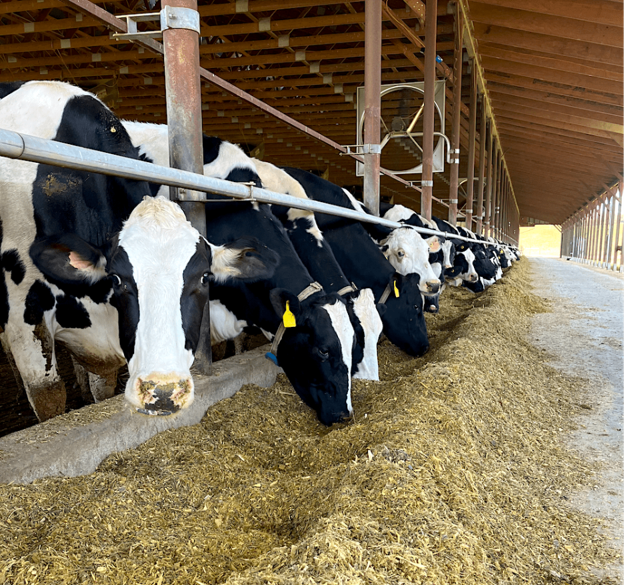
- Providing continuous access to fresh feed
- Ensuring adequate lying space
- Minimizing overstocking and unnecessary pen movement
- Providing effective heat abatement through adequate air circulation and water sprinklers
- Monitoring body-condition changes during the transition period
These measures address the underlying conditions that allow postpartum inflammation to persist rather than relying solely on treatment after disease becomes evident.
Emerging Approaches2
Modulation of immune function is being investigated through approaches including preventive anti-inflammatory therapy, granulocyte colony-stimulating factor, intrauterine recombinant IL-8 and strategies targeting calcium metabolism.
Probiotic approaches are also being explored. In vitro, lactic acid bacteria have been shown to reduce inflammatory responses induced by E. coli in bovine endometrial epithelial cells. Field observations have also associated intravaginal probiotic administration around calving with reduced uterine disease incidence. However, whether vaginally administered probiotics consistently reach and persist in the uterus remains unclear.
Clinical Takeaway
Effective prevention of postpartum endometritis begins with transition-cow management. Reducing calving-related trauma and contamination is important, but protecting metabolic and immune health is equally relevant. In particular, veterinarians should distinguish infection-associated PVD and clinical endometritis from SCE, where metabolic stress and dysregulated inflammation may be more important than bacterial dysbiosis.
References
- Galvão KN, Bicalho RC, Jeon SJ. Symposium review: The uterine microbiome associated with the development of uterine disease in dairy cows. Journal of dairy science. 2019 Dec 1;102(12):11786-97. https://www.sciencedirect.com/science/article/pii/S0022030219308689
- Pascottini OB, Aurich C, England G, Grahofer A. General and comparative aspects of endometritis in domestic species: A review. Reproduction in domestic animals. 2023 Sep;58:49-71. https://onlinelibrary.wiley.com/doi/pdfdirect/10.1111/rda.14390
- Pascottini OB, Leroy JL, Opsomer G. Maladaptation to the transition period and consequences on fertility of dairy cows. Reproduction in Domestic Animals. 2022 Sep;57:21-32. https://www.researchgate.net/profile/Osvaldo-Bogado-Pascottini/publication/361228904
- Carneiro, L. C., Cronin, J. G., & Sheldon, I. M. (2016). Mechanisms linking bacterial infections of the bovine endometrium to disease and infertility. Reproductive Biology, 16(1), 1–7. https://repositorio.unesp.br/bitstreams/1d6baa92-f1d0-4033-a472-580634d6ce6b/download
- Gilbert, R. O., & Santos, N. R. (2016). Dynamics of postpartum endometrial cytology and bacteriology and their relationship to fertility in dairy cows. Theriogenology, 85(8), 1367–1374. https://www.sciencedirect.com/science/article/am/pii/S0093691X16000637
- Dubuc, J., Duffield, T. F., Leslie, K. E., Walton, J. S., & LeBlanc, S. J. (2010b). Risk factors for postpartum uterine diseases in dairy cows. Journal of Dairy Science, 93(12), 5764–5771. https://www.sciencedirect.com/science/article/pii/S0022030210006260
- Kelly, E., McAloon, C. G., O'Grady, L., Duane, M., Somers, J. R., & Beltman, M. E. (2020). Cow-level risk factors for reproductive tract disease diagnosed by 2 methods in pasture-grazed dairy cattle in Ireland. Journal of Dairy Science, 103(1), 737–749. https://www.sciencedirect.com/science/article/pii/S0022030219309993
- Lietaer, L., Bogado Pascottini, O., Heirbaut, S., Demeyere, K., Vandaele, L., Meyer, E., Fievez, V., Leroy, J. L. M. R., & Opsomer, G. (2023). Viability and function dynamics of circulating versus endometrial polymorphonuclear leukocytes in postpartum dairy cows with subclinical or clinical endometritis. Journal of Dairy Science, 106(5), 3436–3447. https://www.sciencedirect.com/science/article/pii/S0022030223001273
Related Contents
Upcoming Event
African Swine Fever: Diagnosis and Management
African swine fever can cause severe disease and significant losses in affected pig populations.&nbs...
.jpg)
Video
Transjugular Removal of Canine Heartworms: A Clinical and Surgical Overview
Transjugular removal of canine heartworms is a specialized intervention used in selected dogs with s...

Article
Feline Pregnancy Endocrinology: Hormonal Changes and Placental Function
Pregnancy in cats involves a distinctive endocrine pattern in which ovarian and placental hormones w...

Article
Hormonal Control of Pregnancy Termination in Cats
Pregnancy maintenance in cats depends strongly on coordinated hormonal support, particularly progest...

Article
Feline Embryo Implantation and Early Placental Development
Pregnancy establishment in cats involves a sequence of precisely timed events between fertilization,...

Article
Ultrasonographic Monitoring of Pregnancy in Cats: A Gestational Timeline
Ultrasonography provides a practical way to follow the progression of feline pregnancy by identifyin...

Article
Feline Mismating: Pregnancy Diagnosis and Clinical Management
Mismating or unplanned mating is a common clinical problem in sexually mature queen cats because of...

Article
Medical Termination of Pregnancy in Queens: Drugs, Timing and Treatment Protocols
Medical termination of pregnancy (MTP) in queen cats should be approached according to the timing of...